Introduction
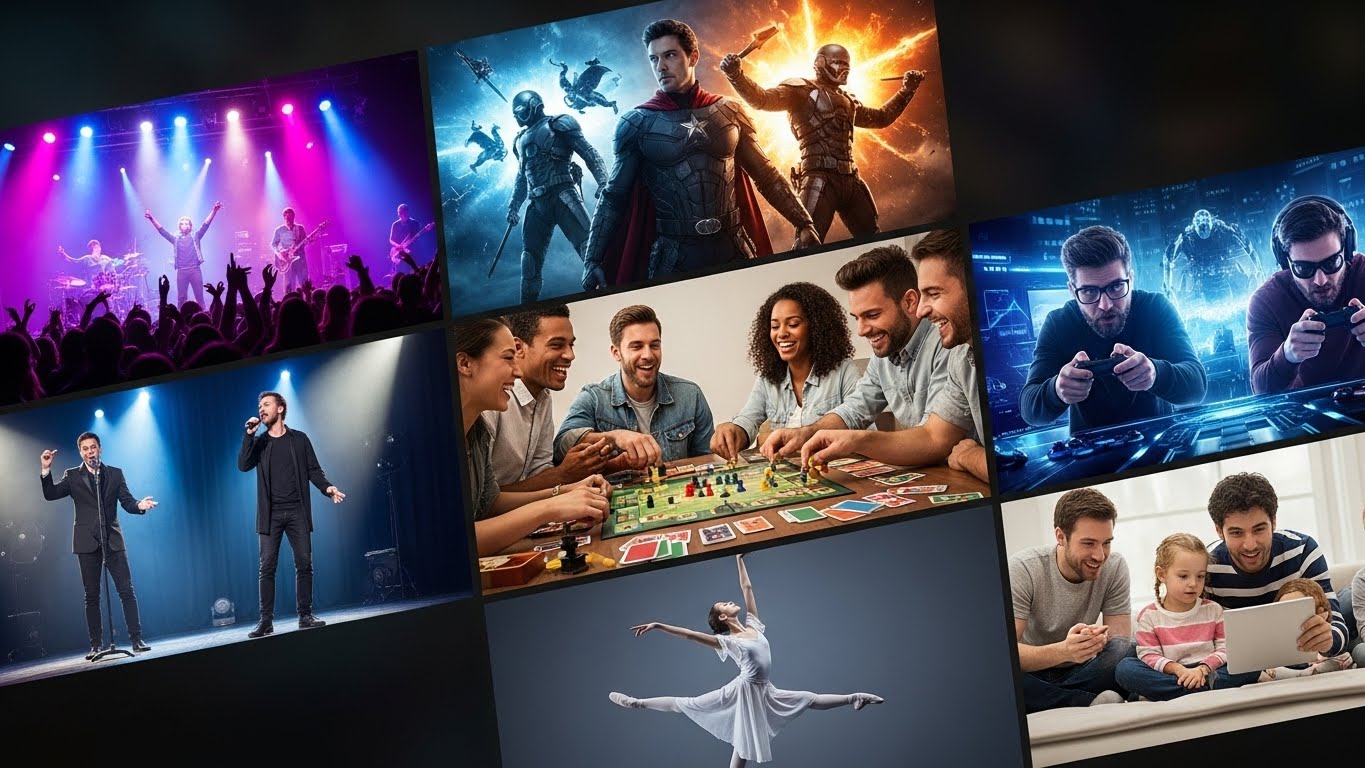
The COVID-19 pandemic was one of the most transformative global events of modern times, leaving behind impacts that reshaped how societies function in nearly every aspect. Among the many sectors that felt the effects, the world of entertainment went through a profound transformation. The ways people consumed music, films, television, theater, gaming, and even live events were altered in ways that still resonate today. The pandemic forced industries to innovate at an unprecedented pace, accelerate digital adoption, and reimagine the relationship between creators and audiences.
In this blog, we will explore in depth how the pandemic changed the entertainment industry, from the shutdown of theaters and concerts to the rise of streaming services, the growth of virtual entertainment, the transformation of fan interactions, and the evolution of content itself. By the end, it will be clear that entertainment has entered a new era, shaped by challenges and creativity born during the pandemic.
The Halt of Live Entertainment
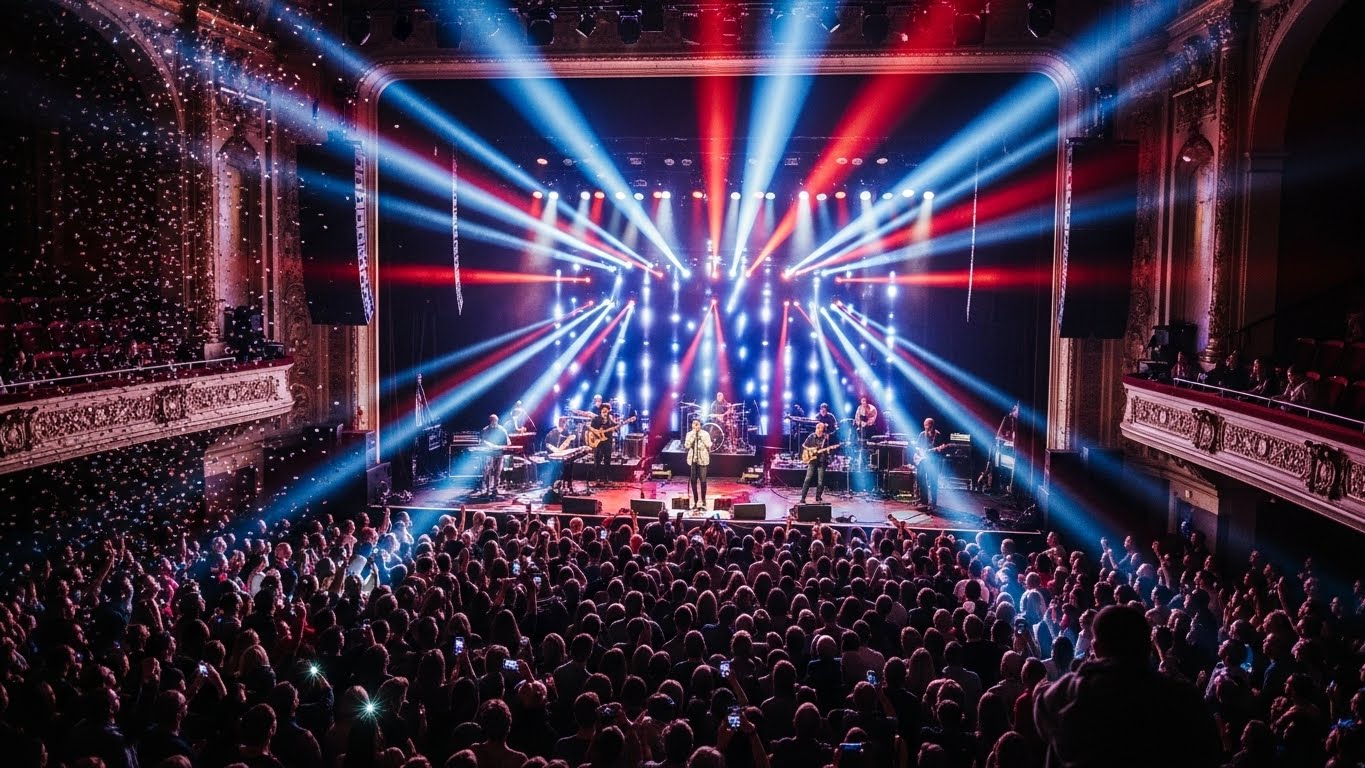
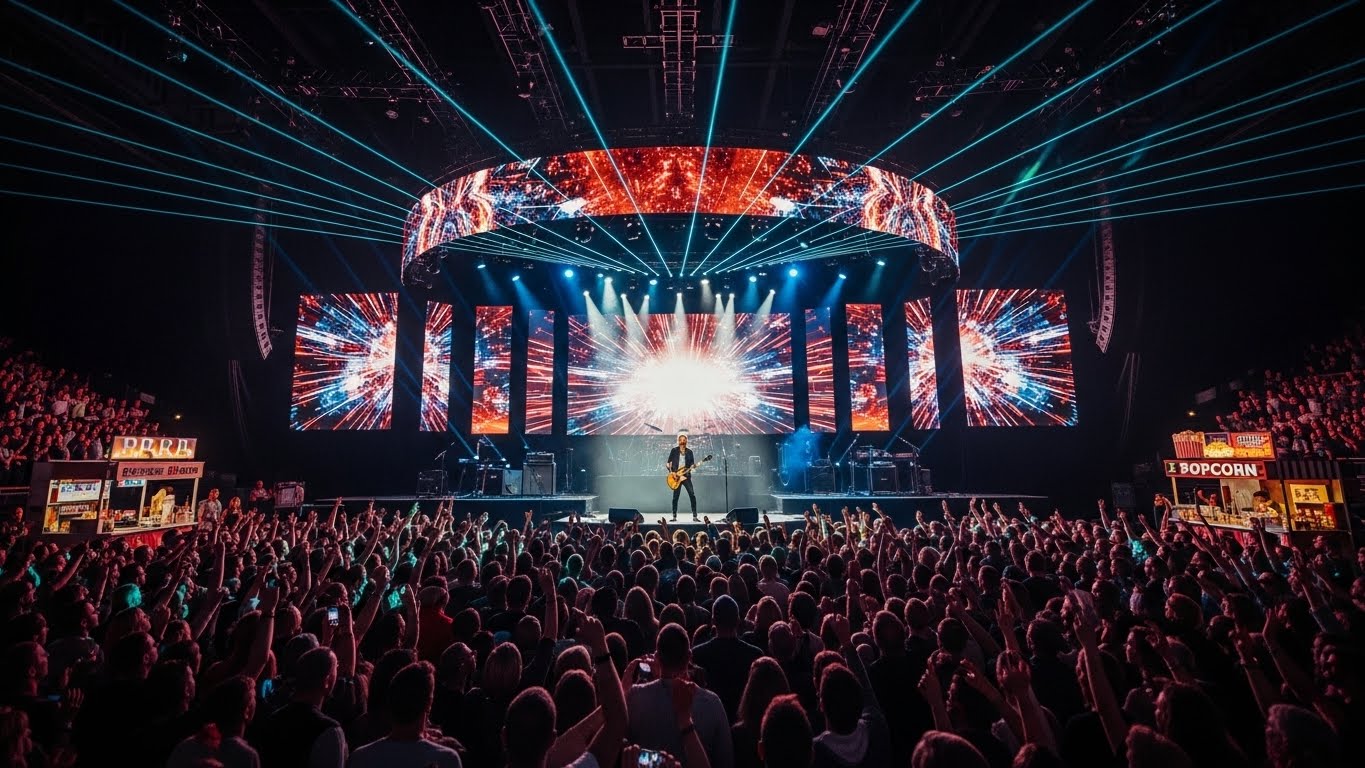
When the pandemic first began in early 2020, one of the earliest casualties was live entertainment. Concerts, theater performances, festivals, comedy shows, and sporting events were either postponed or canceled outright. For decades, live gatherings had been the heartbeat of entertainment, providing artists with revenue and fans with communal joy.
Broadway in New York shut down for the first time in its history, leaving performers and theater workers unemployed. The global music industry saw major tours canceled, from stadium acts to small club gigs. Sports arenas sat empty, with games postponed or played without fans. This sudden halt highlighted how reliant the entertainment industry was on physical gatherings.
For audiences, this created a void. People who looked forward to live shows, games, or movie nights were forced to adapt to home entertainment. For artists and performers, it brought financial uncertainty, but also a chance to experiment with new ways to reach fans.
The Explosion of Streaming Services
The most obvious change in entertainment during the pandemic was the boom in streaming. With theaters closed and live shows canceled, people turned to platforms like Netflix, Hulu, Disney+, Amazon Prime Video, and HBO Max for content. Subscriptions skyrocketed, as families sought ways to pass time while confined to their homes.
Streaming was already growing before the pandemic, but COVID-19 accelerated its dominance. Major studios began to release blockbuster films directly on digital platforms instead of waiting for theaters to reopen. Movies that were once meant for big screens premiered in living rooms, changing the way audiences experienced cinema.
This shift also led to the rise of binge-watching as a cultural norm. Instead of waiting week by week for episodes, viewers devoured entire seasons in one sitting. Social media amplified the impact, as shows like Tiger King, The Queen’s Gambit, and Squid Game became global sensations almost overnight. The shared experience of streaming content connected people during a time of isolation.
Redefining the Movie Industry
The movie industry faced one of the most dramatic transformations. With theaters closed for months, the traditional model of theatrical releases followed by home video or streaming collapsed. Studios had to innovate. Some delayed big-budget blockbusters, while others embraced digital-first strategies.
For example, films were released simultaneously in theaters and on streaming platforms, creating a hybrid model that gave viewers choices. This sparked debates about whether theaters could survive long-term or whether streaming would become the default. Theaters eventually reopened, but audiences’ habits had shifted. Many grew comfortable watching films at home, raising questions about the future of cinema.
Independent filmmakers also faced challenges but found new opportunities in digital platforms. Direct-to-streaming distribution allowed smaller films to reach wider audiences without competing for theater space. In many ways, the pandemic democratized film distribution.
The Rise of Virtual Concerts and Events
Music, perhaps more than any other form of entertainment, depends on live connection between artists and audiences. With concerts canceled, musicians turned to virtual platforms. Social media, YouTube, and live-streaming apps became the new stage.
Artists held concerts from their living rooms, often with minimal production but maximum intimacy. Fans tuned in from around the world, experiencing a level of closeness with artists that traditional concerts rarely provided. Some artists used virtual reality to create immersive digital concerts, while others collaborated with gaming platforms like Fortnite and Roblox to perform for massive virtual audiences.
Festivals, too, experimented with online formats. While nothing could replicate the energy of being in a live crowd, virtual concerts offered accessibility to fans who might never have been able to attend in person. This trend introduced new ways for artists to engage audiences, and even after restrictions lifted, virtual events remained part of the entertainment landscape.
Gaming as the Ultimate Escape
Video games experienced unprecedented growth during the pandemic. With more people at home and seeking ways to pass time or connect with friends, gaming became a dominant form of entertainment. Multiplayer online games like Among Us, Fortnite, and Call of Duty: Warzone became social hubs, replacing physical gatherings.
Gaming provided not only entertainment but also social interaction. Friends and family could meet virtually in game worlds, offering a sense of community during isolation. Streaming platforms like Twitch also boomed, as millions tuned in to watch gamers play, interact, and entertain.
Esports, which had been gaining traction before the pandemic, became even more significant as traditional sports shut down. Online tournaments drew huge audiences, cementing gaming as a mainstream form of entertainment.
Transformation of Fan Engagement
The pandemic didn’t just change how content was delivered; it transformed how fans and creators interacted. With live events on hold, celebrities, athletes, and entertainers turned to social media to connect more directly with their followers.
Fans got glimpses into the personal lives of their favorite stars, as they shared home routines, live Q&A sessions, or even collaborative projects online. The barriers between performer and audience blurred. Platforms like Instagram, TikTok, and Twitter became crucial in maintaining fandom culture during lockdowns.
This direct engagement also created opportunities for new creators. Influencers, streamers, and independent artists gained massive followings during the pandemic, sometimes rivaling established stars. The entertainment industry had to recognize this new wave of talent that rose through digital platforms.
Shifts in Content Creation
The content itself also changed during the pandemic. Productions had to adapt to safety protocols, leading to smaller casts, limited crews, and innovative storytelling. Some shows incorporated the realities of lockdown, masks, and remote communication into their narratives. Others embraced animation and CGI to avoid live filming.
There was also a demand for uplifting and escapist content. Audiences sought comedies, lighthearted dramas, and inspirational stories to balance the anxiety of the global crisis. At the same time, documentaries exploring real-world issues, including the pandemic itself, gained popularity as people sought to make sense of events.
User-generated content surged as well. Platforms like TikTok allowed everyday people to become entertainers, creating skits, dances, and trends that went viral. Entertainment became more participatory than ever before.
The Economic Impact on Entertainment Workers
Behind the scenes, the pandemic had devastating effects on entertainment workers. Performers, crew members, venue staff, and countless others lost jobs as productions and events shut down. The financial struggles highlighted how fragile the industry could be when reliant on live events.
However, the crisis also sparked new discussions about fair pay, job security, and sustainability in the industry. Creators began exploring alternative revenue streams, from Patreon and crowdfunding to merchandise sales and virtual meet-and-greets. These shifts continue to influence how entertainers sustain their careers today.
The Evolution of Theater and Performing Arts
While Hollywood and music found new ways to adapt, traditional performing arts like theater and opera faced greater challenges. The live, communal experience was hard to replicate virtually. Yet even here, innovation emerged.
Some companies streamed recorded performances or staged new productions specifically for digital audiences. Experimental formats, like interactive online theater where audiences could influence the story, became more common. While theaters struggled financially, these creative approaches kept the spirit of performance alive.
As theaters reopened, audiences returned, but the pandemic had introduced a new appreciation for hybrid performances, blending live shows with digital access. This expanded reach is likely to remain a part of the performing arts world.
Entertainment as a Tool for Coping
Beyond industry shifts, entertainment played a vital role in helping people cope with the psychological toll of the pandemic. Whether through binge-watching a series, attending a virtual concert, playing games, or engaging on social media, entertainment provided comfort and distraction during difficult times.
It also served as a unifying force. Shared experiences, such as discussing a trending show or participating in a viral TikTok challenge, created a sense of connection despite physical separation. Entertainment became more than just distraction; it became a source of resilience.
The Lasting Legacy of Pandemic Entertainment
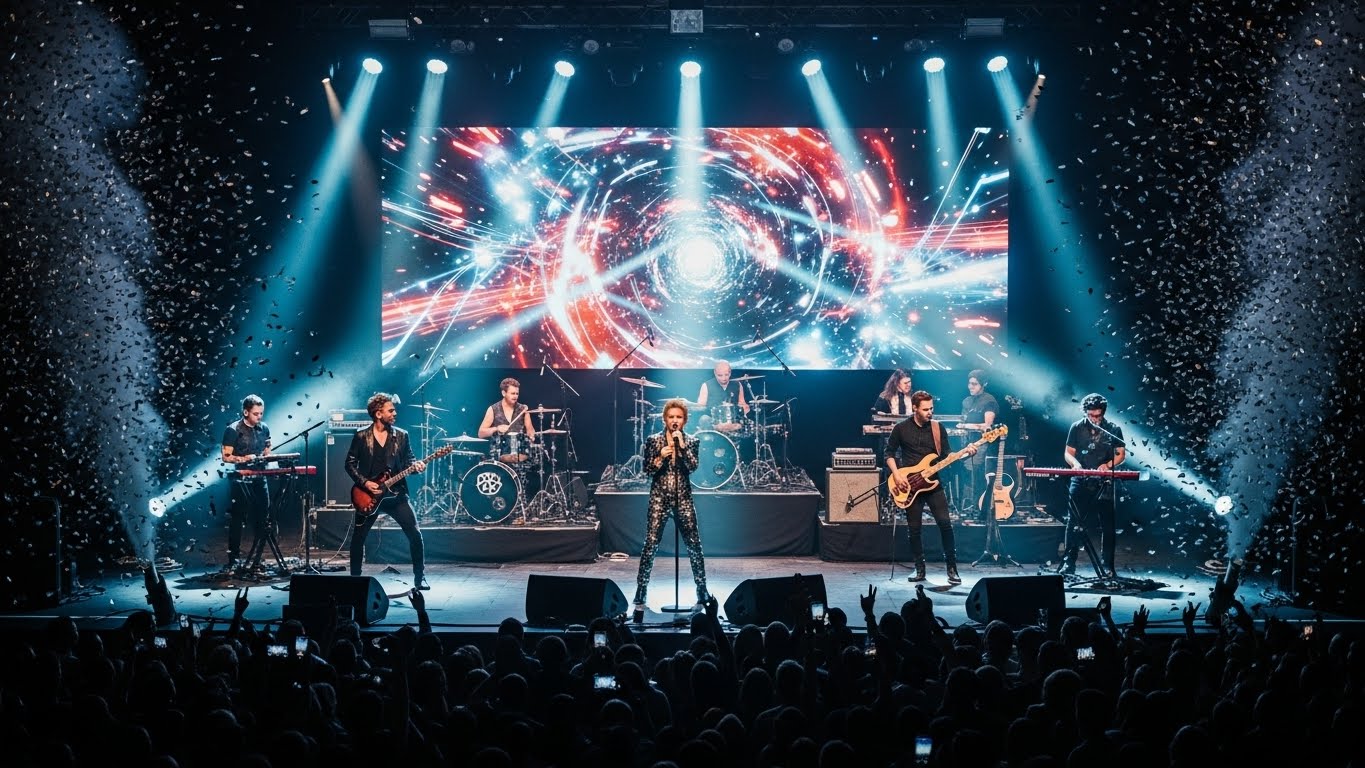
As the world moved out of lockdowns, some of the changes brought by the pandemic proved temporary, while others became permanent. Live events eventually returned, but the appetite for streaming and virtual engagement did not fade. Hybrid models became the norm, with concerts offering both in-person and online options, and films being released across multiple platforms simultaneously.
The entertainment industry also became more adaptive, prepared to pivot if new disruptions arise. Audiences, too, grew more open to digital-first experiences, creating a demand for continued innovation. The pandemic didn’t just change entertainment temporarily; it accelerated its evolution.
Conclusion
The pandemic was a global tragedy, but within its challenges, it forced the entertainment industry to reinvent itself. From the explosion of streaming and gaming to the rise of virtual concerts, the transformation of fan engagement, and the resilience of content creators, the pandemic reshaped how entertainment is created, consumed, and valued.
What became clear is that entertainment is not just about diversion—it is about connection, resilience, and adaptability. The innovations born during this time will continue to shape the industry for years to come. Audiences now expect more flexibility, accessibility, and creativity, while creators have new tools and platforms to reach them.
The world of entertainment may never look exactly as it did before the pandemic, but perhaps that is not a loss. Instead, it marks the beginning of a new era, where entertainment is more dynamic, inclusive, and deeply connected to the lives of people everywhere.