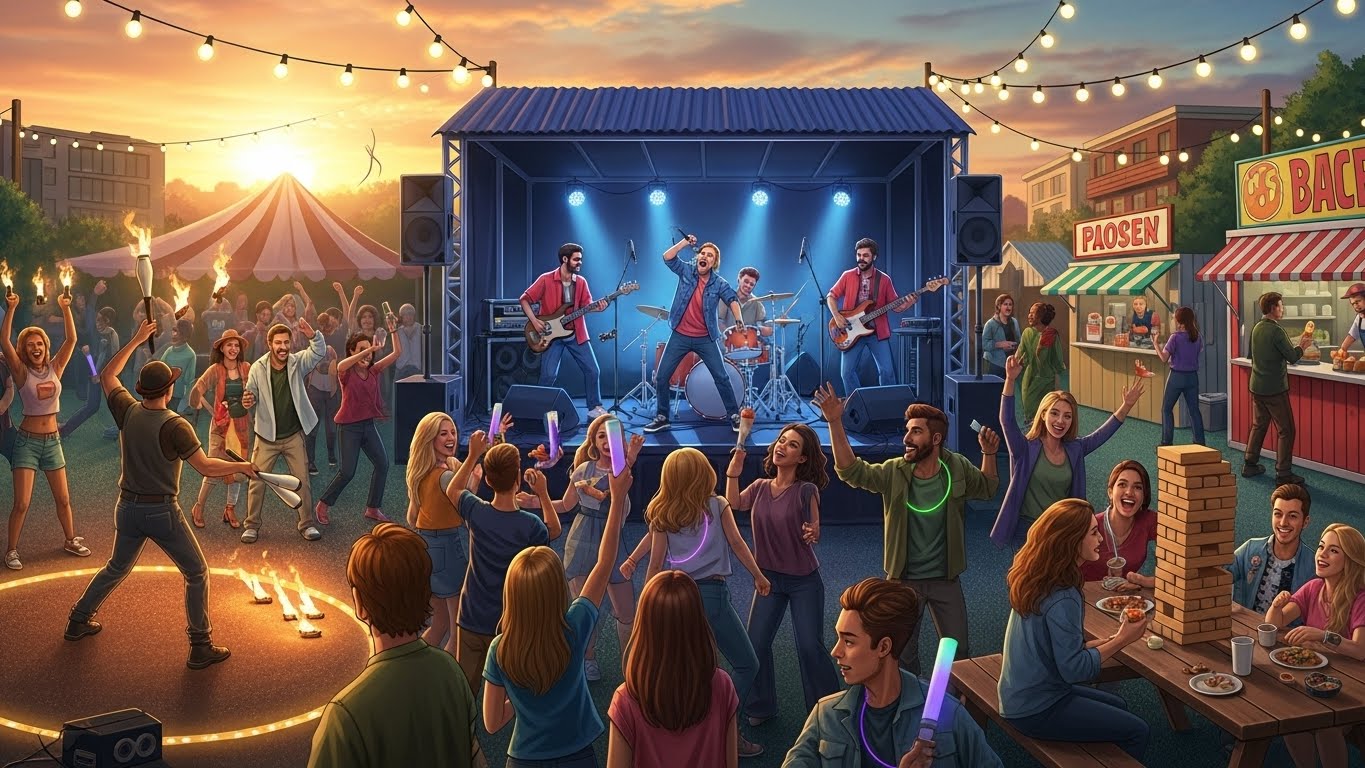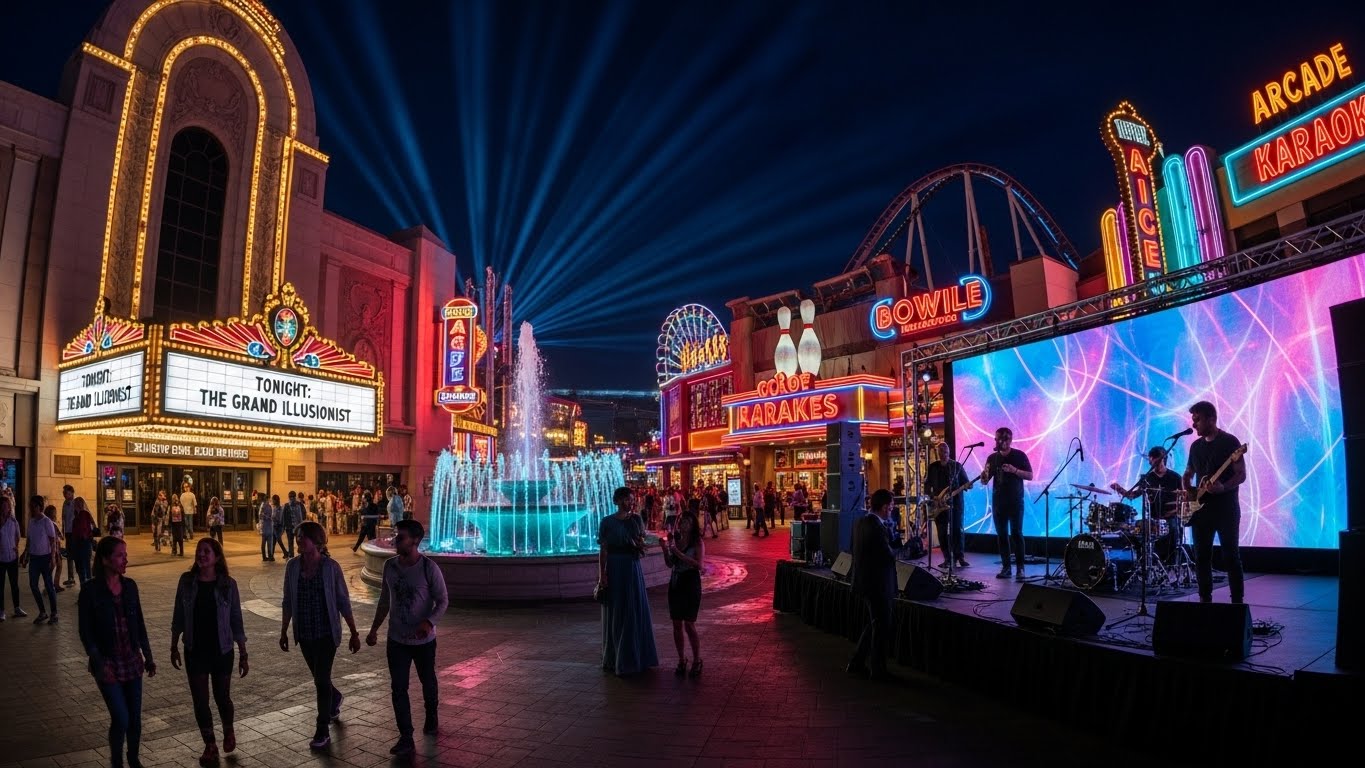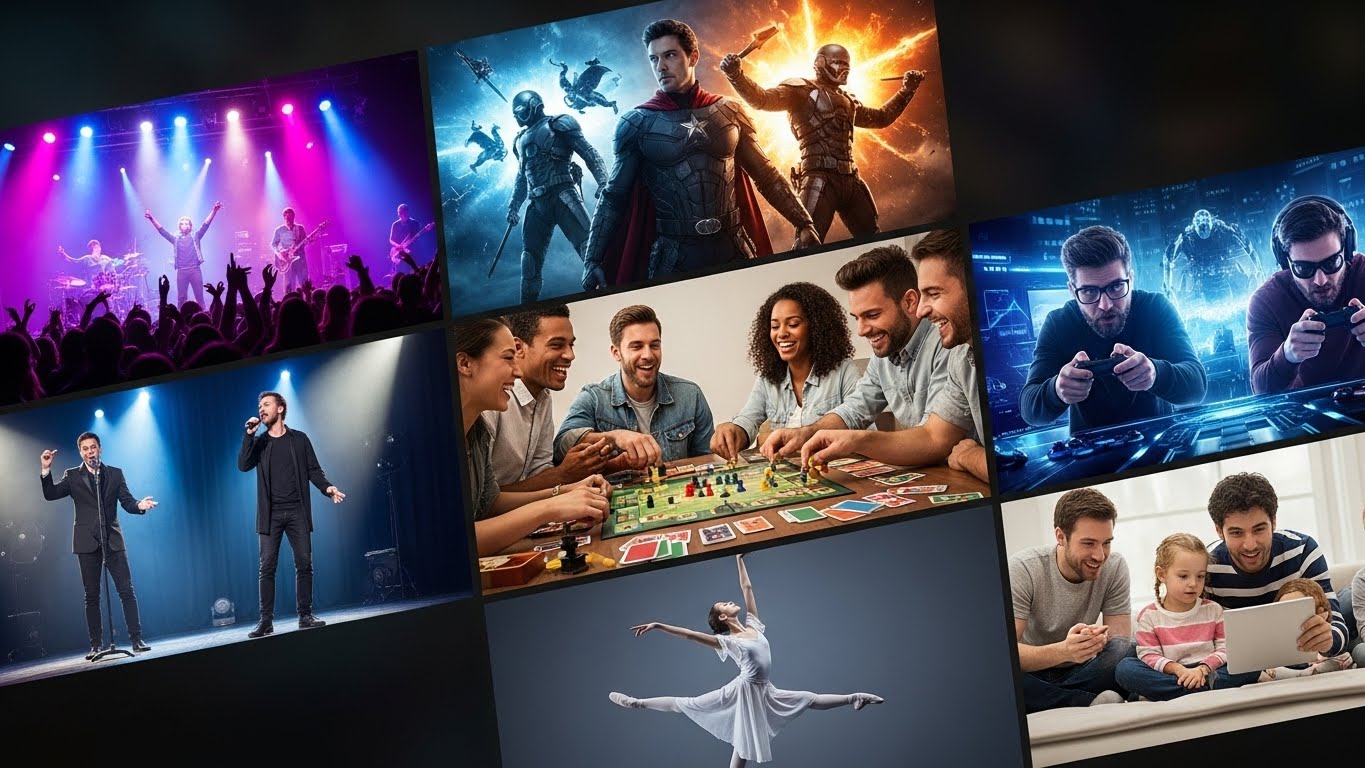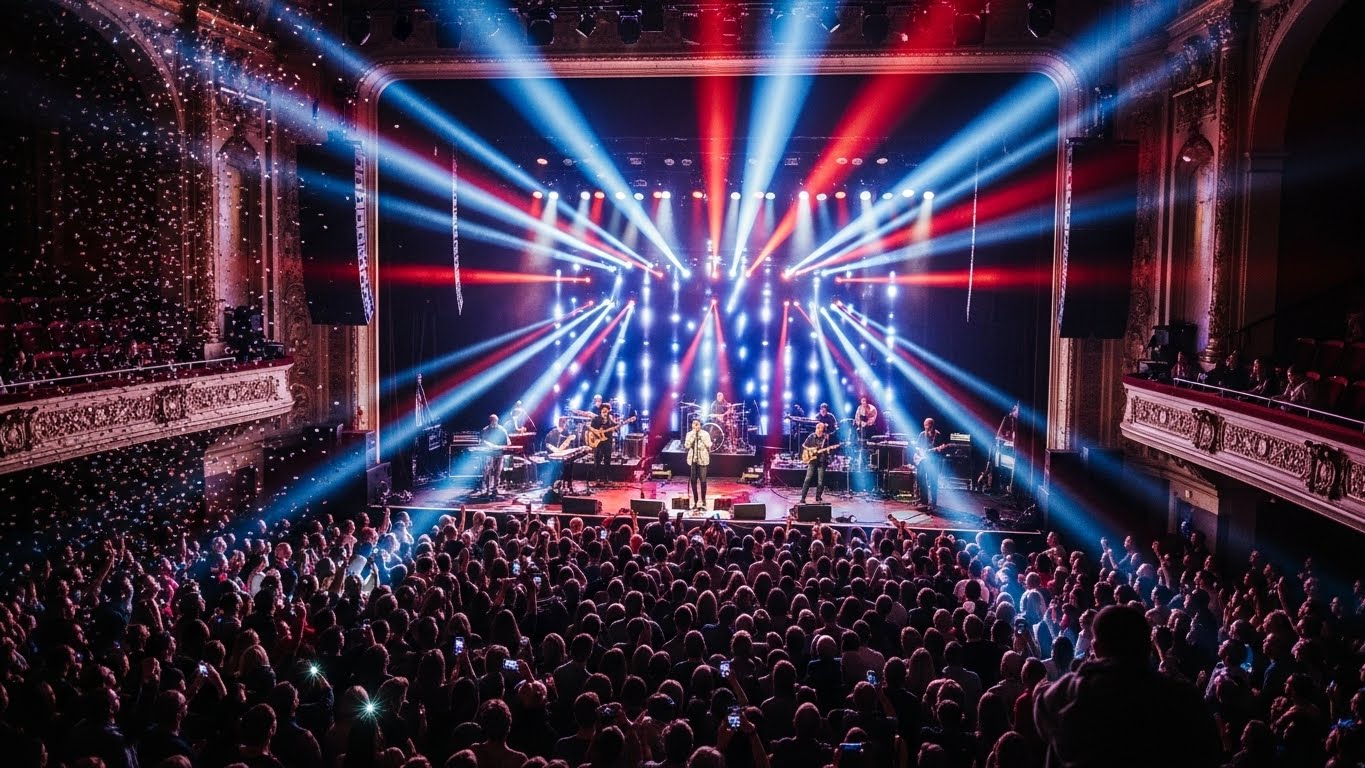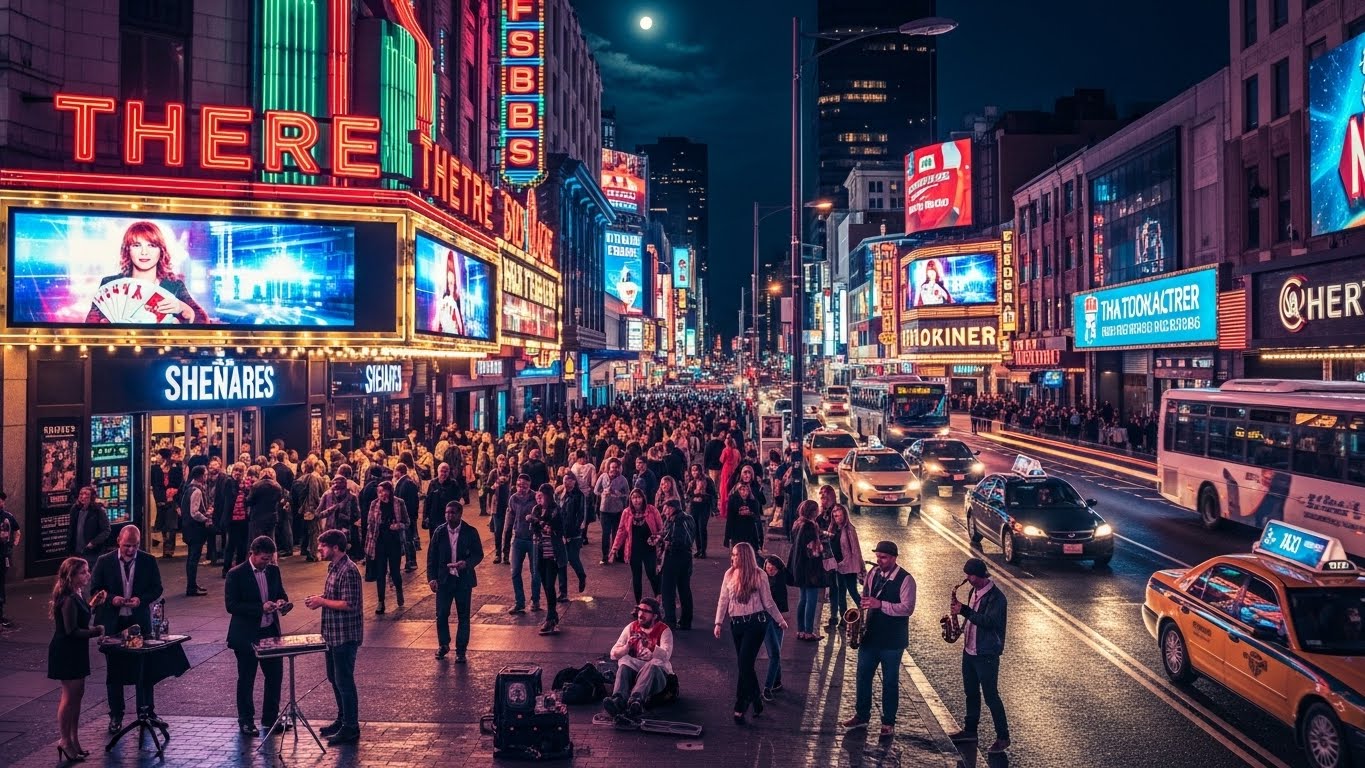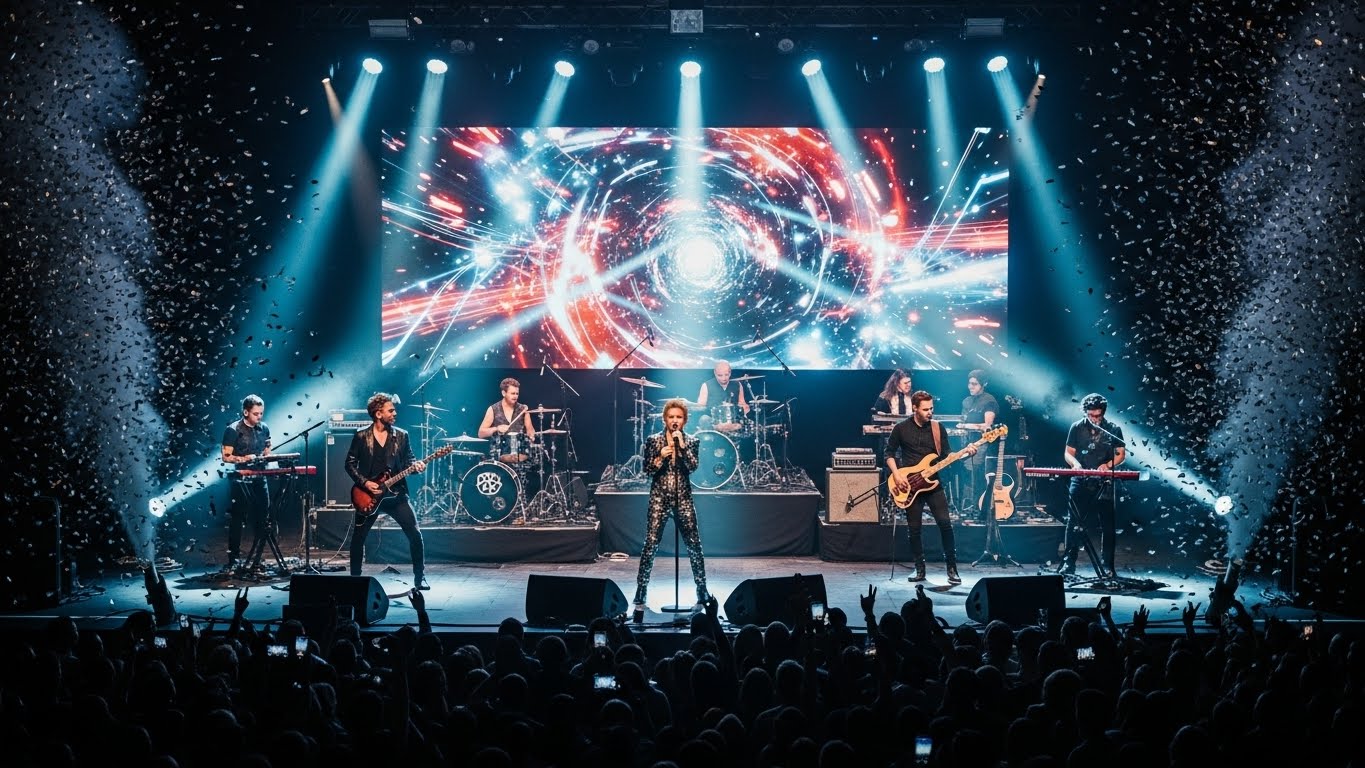
Entertainment has always been an essential part of human culture. From the early days of storytelling around campfires to today’s digital spectacles, the ways in which people seek amusement and fulfillment have constantly evolved. Whether through films, television shows, music, live performances, or the burgeoning world of digital content, the entertainment industry offers something for everyone. This blog post will explore the transformative journey of entertainment, its key components, and how it continues to shape our modern lives.
The Origins of Entertainment: The Age of Storytelling
Before the invention of the written word, humans relied on oral traditions to pass down knowledge, legends, and history. Storytelling was the first form of entertainment. Whether around a campfire, in village squares, or in ancient theaters, humans have always sought ways to share experiences, ideas, and emotions.
In early civilizations, performance arts such as theater were integral to religious rituals and social gatherings. The ancient Greeks, for example, introduced formal drama, with playwrights like Sophocles, Aeschylus, and Euripides creating masterpieces that explored the human condition. These performances were more than just entertainment; they were powerful reflections of the values, conflicts, and beliefs of society.
As societies developed, entertainment expanded beyond storytelling to include music, dance, and visual arts. The Renaissance, for instance, marked a period of great artistic and cultural growth. Public performances, concerts, and exhibitions became more prevalent, laying the groundwork for modern forms of entertainment.
The Rise of Cinema: The Birth of Modern Entertainment
The 20th century saw the birth of one of the most influential entertainment forms: cinema. With the invention of motion pictures in the late 1800s, entertainment entered a new era. Silent films, though primitive by today’s standards, captivated audiences with their ability to bring stories to life. Icons like Charlie Chaplin and Buster Keaton became household names, with their physical comedy transcending language barriers.
The advent of sound in cinema in the late 1920s revolutionized the industry. “The Jazz Singer” (1927), the first full-length talkie, marked the beginning of a new era for movies. With the combination of sound, music, and visual storytelling, film became the dominant form of entertainment across the globe.
Hollywood soon rose to prominence, producing iconic films that would define entire generations. Movies like “Gone with the Wind,” “Casablanca,” and “Citizen Kane” not only entertained but also set new standards for filmmaking, acting, and storytelling. The 20th century also saw the creation of blockbuster films, which combined epic storytelling with larger-than-life production values. Films such as “Star Wars” and “Jaws” revolutionized the entertainment landscape and set the stage for today’s massive entertainment franchises.
The Golden Age of Television: A New Era of Home Entertainment
As cinema continued to grow, so did the popularity of television. In the 1950s, television became a staple of American households, providing entertainment that was easily accessible from the comfort of one’s home. Shows like “I Love Lucy” and “The Twilight Zone” helped establish television as a powerful medium for entertainment and cultural commentary.
The 1960s and 1970s marked the golden age of television, where sitcoms, dramas, and variety shows began to dominate the small screen. Iconic shows such as “The Simpsons,” “Friends,” “MAS*H,” and “The Mary Tyler Moore Show” captured the hearts of millions. The emergence of cable television in the 1980s expanded viewing options, with channels dedicated to specific genres such as sports, music, and news.
Television also became a medium for groundbreaking storytelling. Series like “The Sopranos,” “The Wire,” and “Breaking Bad” paved the way for what is now referred to as the “Golden Age of Television.” With the rise of streaming platforms in the 2010s, television began to shift even further into the realm of on-demand content. This led to a new era where viewers could watch shows and films at their convenience, leading to a more personalized and flexible entertainment experience.
The Music Revolution: From Vinyl to Streaming
Music has always been a form of entertainment that brings people together, evokes emotions, and reflects cultural movements. The 20th century saw the transformation of music into a global industry, with the advent of new technologies such as the radio, vinyl records, and, later, the CD. The rise of popular music in the 1950s and 1960s, with artists like Elvis Presley, The Beatles, and Bob Dylan, marked a cultural revolution that would resonate for decades.
In the 1980s, the music industry was revolutionized by the introduction of music videos. Channels like MTV gave birth to a new form of visual entertainment, merging music with imagery in ways that had never been seen before. Iconic videos, such as Michael Jackson’s “Thriller” and Madonna’s “Like a Prayer,” became cultural touchstones, influencing fashion, dance, and social movements.
As technology progressed, the music industry transitioned from physical media to digital formats. The arrival of MP3s, iPods, and later streaming services such as Spotify and Apple Music, changed the way people consumed music. No longer constrained by the need for physical media, music became more accessible and portable than ever before.
Today, music streaming has made it easier than ever for people to access a vast library of songs, creating a new wave of content creation. Platforms like YouTube and SoundCloud have democratized the music industry, allowing emerging artists to share their work with a global audience. Social media platforms like TikTok have further contributed to the rise of viral music trends, with songs often going viral due to user-generated content.
The Digital Revolution: Video Games, Streaming, and Online Content
In the 21st century, digital entertainment has taken the world by storm. The rise of video games, streaming services, and social media platforms has given people access to a diverse range of content that was previously unimaginable. Video games, once seen as a niche hobby, have become a dominant form of entertainment.
With advanced graphics, immersive storylines, and expansive open worlds, modern video games like “The Witcher 3,” “Fortnite,” and “Minecraft” have revolutionized interactive entertainment. Esports, where professional gamers compete in organized tournaments, has also become a global phenomenon, with millions of fans tuning in to watch live streams on platforms like Twitch.
Streaming services such as Netflix, Hulu, and Amazon Prime Video have transformed the television and film industries. With original content, ad-free experiences, and on-demand access, streaming platforms have become the preferred method of consuming entertainment for millions of people worldwide. The availability of vast libraries of content, from films and documentaries to TV series and stand-up comedy specials, has made streaming a one-stop destination for entertainment.
YouTube, the world’s largest video-sharing platform, has become a hub for user-generated content. From tutorials and vlogs to gaming streams and music videos, YouTube offers a platform for creators to share their unique perspectives with a global audience. The rise of influencers and content creators has given birth to new forms of entertainment that were previously unthinkable.
The Future of Entertainment: Immersive Technologies and Interactive Experiences
As technology continues to advance, the future of entertainment looks increasingly immersive and interactive. Virtual reality (VR) and augmented reality (AR) are two technologies that are expected to revolutionize how people experience entertainment. With VR headsets, users can step into fully immersive worlds and interact with digital environments in ways that were once only imagined in science fiction.
In the realm of gaming, VR has already created entirely new experiences, allowing players to physically move and interact within virtual worlds. As VR technology becomes more sophisticated, its applications in films, live events, and educational content are likely to grow, providing deeper, more engaging experiences.
Similarly, AR, which overlays digital information on the real world, has the potential to transform everything from gaming to shopping, education, and entertainment. Imagine watching a concert where the stage transforms in real-time, or engaging with a movie where characters interact with your physical environment. The possibilities are endless.
Artificial intelligence (AI) also plays a major role in shaping the future of entertainment. AI-driven recommendations on streaming platforms already personalize the content we watch, while AI algorithms are being used to create deepfake videos and synthetic music. In the future, AI could be used to create entirely new forms of content, such as interactive movies that respond to your choices in real time.
Conclusion: Entertainment as a Reflection of Society
Entertainment has always mirrored the times in which it was created, reflecting societal values, cultural trends, and technological advancements. From ancient theater to modern streaming, the world of entertainment has adapted to meet the needs and desires of audiences across generations.
As we move further into the digital age, entertainment continues to evolve at a rapid pace. With new technologies like VR, AR, and AI on the horizon, the possibilities for what entertainment can offer are endless. What remains constant, however, is the human desire to be entertained, to be moved, and to connect with others through shared experiences.
As we look to the future, it’s clear that entertainment will remain a vital part of our lives, evolving in ways we can only begin to imagine. Whether through the stories we tell, the music we listen to, or the games we play, entertainment will continue to be a powerful force, shaping culture and connecting people around the world.