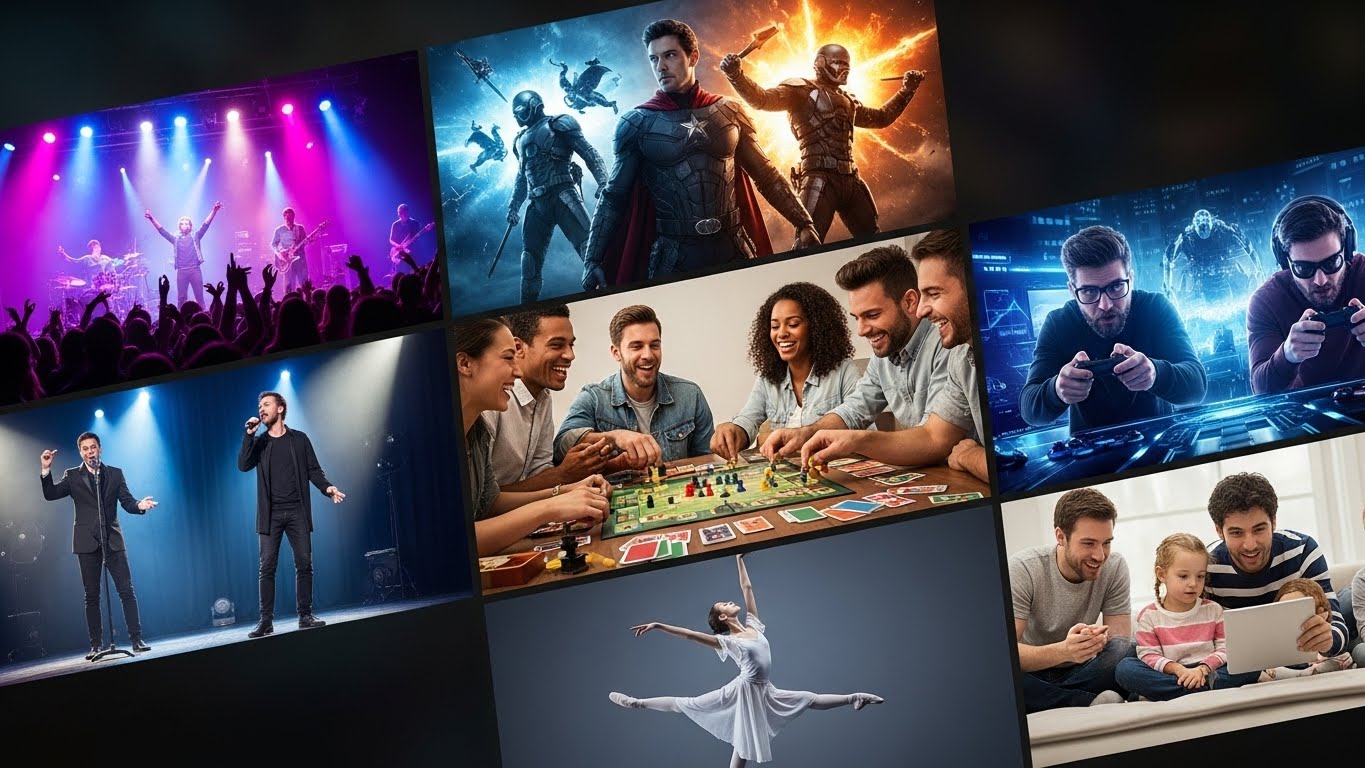
Gaming has evolved from a niche hobby into a global phenomenon that influences culture, technology, and entertainment. What once started as simple pixelated games on home consoles has now transformed into a multi-billion-dollar industry that spans mobile apps, high-end consoles, personal computers, virtual reality, and cloud-based platforms. The gaming world is no longer limited to entertainment; it has become a social space, a career path, and even a tool for education and personal development. This blog explores the evolution of gaming, the different types of games, technological innovations, benefits, challenges, and the future of digital entertainment.
The Early Days of Gaming
The origins of gaming can be traced back to the 1970s and 1980s, when arcade machines and early consoles like Atari and Nintendo captured the imagination of players worldwide. These early games were simple in graphics and gameplay but sparked a cultural movement that would grow exponentially in the coming decades. Gaming started as a form of entertainment for young audiences, but it quickly expanded into a medium appreciated by all age groups.
Classic games like Pac-Man, Space Invaders, and Super Mario Bros. were not just games; they were experiences that brought friends and families together. Arcades became social hubs where players competed for high scores, while early consoles allowed gaming to enter the home, making it accessible to a wider audience.
The Rise of Online and Multiplayer Gaming
The introduction of the internet in the late 1990s revolutionized the gaming industry. Online gaming allowed players from around the world to connect, compete, and collaborate in real time. Multiplayer games like World of Warcraft, Counter-Strike, and Halo introduced new social dynamics, creating communities of players who shared strategies, formed alliances, and competed in tournaments.
Online gaming also gave rise to esports, a professional competitive gaming environment where players and teams compete for prizes, sponsorships, and recognition. Esports tournaments now draw millions of viewers worldwide, rivaling traditional sports in popularity and influence.
Types of Modern Gaming
Gaming today is diverse, catering to a variety of tastes and preferences. Some of the most popular categories include:
Console Gaming
Console gaming remains a staple of the industry. Platforms such as PlayStation, Xbox, and Nintendo Switch offer high-quality graphics, immersive gameplay, and exclusive titles. Console gaming is often associated with high-budget productions, known as AAA games, which feature cinematic storytelling, expansive worlds, and intricate mechanics.
PC Gaming
PC gaming appeals to those who value customization, performance, and versatility. High-end gaming computers allow for advanced graphics, faster processing, and modifiable software. PC gamers enjoy a wide range of genres, from strategy and simulation games to action-packed first-person shooters. Online platforms like Steam and Epic Games Store provide access to thousands of titles, often with strong community support and user-generated content.
Mobile Gaming
Mobile gaming has transformed the industry by making games accessible to anyone with a smartphone or tablet. Popular mobile games such as Candy Crush, PUBG Mobile, and Genshin Impact attract millions of players worldwide. Mobile games are often more casual, providing short, engaging experiences that fit into daily routines. This accessibility has significantly expanded the gaming audience.
Virtual Reality and Augmented Reality
Virtual reality (VR) and augmented reality (AR) are redefining how players experience games. VR headsets immerse players in fully digital environments, offering unprecedented interactivity and realism. AR overlays digital elements onto the real world, creating hybrid experiences that blend gaming with reality. These technologies open up new possibilities for storytelling, exploration, and social interaction in gaming.
Cloud Gaming
Cloud gaming allows players to stream games directly from remote servers, eliminating the need for high-end hardware. Platforms such as Google Stadia, NVIDIA GeForce Now, and Xbox Cloud Gaming provide access to advanced games on a variety of devices. This technology democratizes gaming, making high-quality experiences accessible to more players than ever before.
The Benefits of Gaming
Gaming offers more than entertainment; it provides cognitive, social, and emotional benefits.
Cognitive Development
Many games require problem-solving, strategic thinking, and decision-making skills. Puzzle games, strategy games, and role-playing games challenge the brain, improving memory, attention, and multitasking abilities. Fast-paced games can also enhance reflexes and hand-eye coordination.
Social Interaction
Multiplayer and online games provide opportunities for social interaction. Players form friendships, collaborate on missions, and participate in online communities. Gaming has become a way to connect with people across the globe, creating shared experiences and fostering teamwork.
Stress Relief and Relaxation
Gaming can serve as a form of escapism, providing a break from daily stressors. Immersive games allow players to enter different worlds, experience new challenges, and enjoy moments of relaxation. Casual games in particular offer simple, enjoyable experiences that help reduce stress.
Career Opportunities
The gaming industry has created numerous career paths, including game development, design, esports, streaming, and content creation. Professional players, streamers, and influencers have turned their passion for gaming into lucrative careers, demonstrating the industry’s economic and cultural impact.
Educational Applications
Serious games and educational simulations leverage gaming to teach skills and concepts. From language learning apps to science simulations and historical reconstructions, games can make learning interactive, engaging, and effective.
Challenges in the Gaming Industry
Despite its growth and popularity, the gaming industry faces several challenges:
Addiction and Excessive Gaming
Excessive gaming can lead to addiction, affecting mental health, social life, and productivity. Developers and players alike are becoming more aware of the need for balanced gaming habits. Features like time limits, parental controls, and responsible gaming initiatives help mitigate these risks.
Toxicity and Online Harassment
Online gaming communities can sometimes become toxic environments. Harassment, cheating, and negative behavior can affect players’ experiences. Developers are investing in moderation tools, reporting systems, and community guidelines to address these issues.
Security and Privacy
Gaming platforms collect personal and financial data, making security a top priority. Cybersecurity threats, account hacking, and data breaches are ongoing concerns that require robust protection measures.
Market Saturation
The gaming industry is highly competitive, with thousands of games released annually. Standing out in a crowded market requires innovation, marketing strategies, and high-quality content. Developers must continuously evolve to attract and retain players.
Technological Innovations Shaping Gaming
The gaming industry continues to grow through technological advancements:
Artificial Intelligence
Artificial intelligence enhances gameplay by creating adaptive enemies, dynamic worlds, and intelligent NPCs. AI also powers game recommendations and matchmaking, improving player experiences.
Real-Time Graphics and Physics Engines
Advanced graphics and physics engines make games more realistic and immersive. Detailed environments, lifelike animations, and dynamic lighting contribute to a cinematic gaming experience.
Blockchain and NFTs
Blockchain technology is beginning to impact gaming by enabling digital ownership and in-game economies. NFTs allow players to own unique digital assets, while blockchain-based games provide transparency and security.
Streaming and Social Gaming
Streaming platforms allow players to broadcast gameplay, interact with audiences, and build communities. Social gaming features enhance collaboration and competition, creating shared experiences that extend beyond the game itself.
The Future of Gaming
The future of gaming is exciting and full of possibilities:
Expanded Accessibility
Gaming will continue to become more accessible through mobile devices, cloud gaming, and affordable hardware. More people around the world will be able to enjoy high-quality gaming experiences.
Immersive Technologies
Virtual reality, augmented reality, and mixed reality will transform how players interact with games. Future gaming experiences will be more immersive, interactive, and realistic than ever before.
Social and Community Focus
Games will increasingly integrate social features, allowing players to collaborate, compete, and connect in meaningful ways. Shared experiences and online communities will become a central aspect of gaming culture.
AI-Driven Personalization
Artificial intelligence will continue to shape personalized gaming experiences. Adaptive gameplay, dynamic content, and intelligent matchmaking will ensure that every player enjoys a unique and engaging experience.
Educational and Therapeutic Applications
Games will continue to expand beyond entertainment into education, therapy, and skill development. Interactive learning, virtual training, and rehabilitation programs will demonstrate the broader potential of gaming.
Conclusion
Gaming has come a long way from its early days of simple arcade machines. Today, it is a diverse, dynamic, and influential industry that impacts culture, technology, and entertainment worldwide. From console and PC games to mobile, virtual reality, and cloud-based experiences, gaming offers endless opportunities for fun, social connection, education, and career growth.
Despite challenges such as addiction, online harassment, and market saturation, the industry continues to innovate, creating immersive and engaging experiences for players of all ages. As technology advances and gaming becomes increasingly accessible, the future promises even more exciting possibilities. Gaming is no longer just a pastime—it is a transformative form of entertainment that shapes how people interact, learn, and experience the digital world.