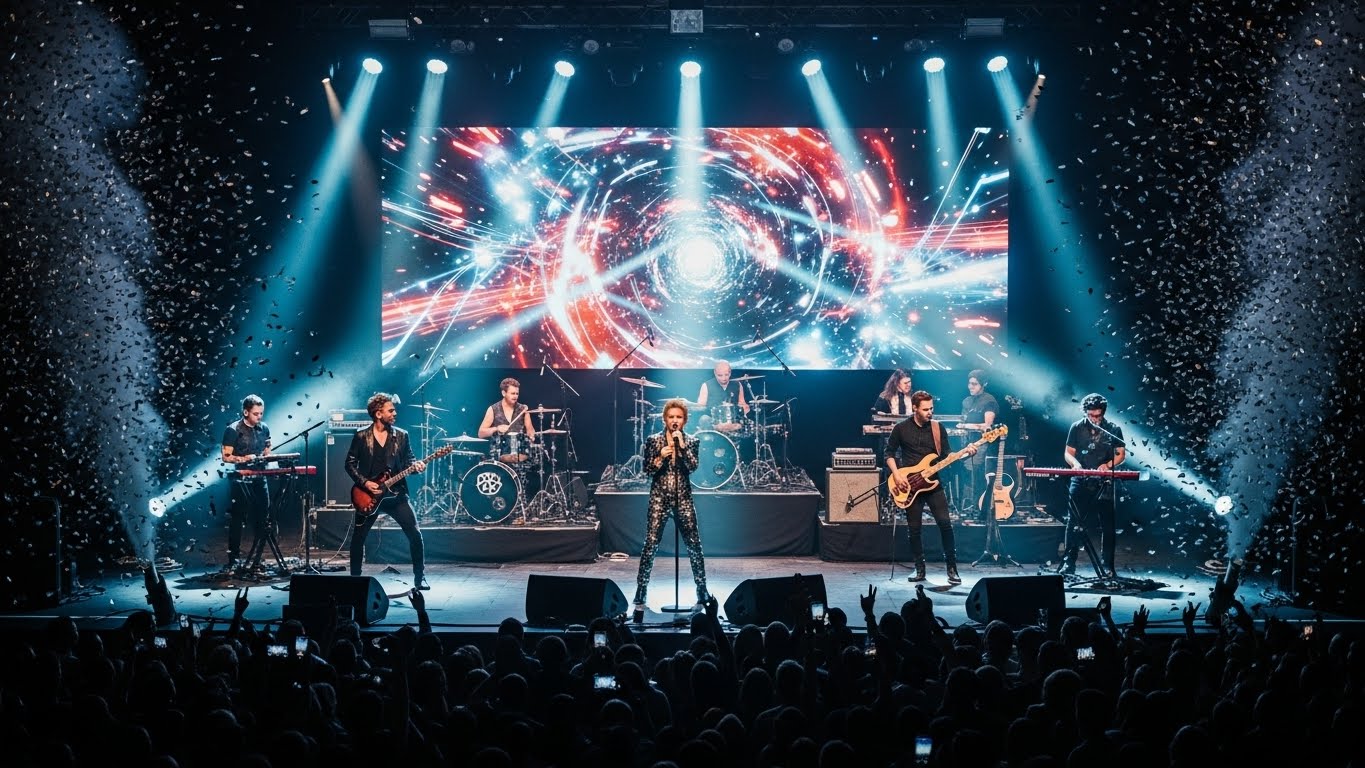
Entertainment, in its various forms, has been a vital part of human civilization since the beginning of time. From ancient rituals and oral storytelling to the rise of digital streaming platforms, entertainment has always been a reflection of our culture, society, and technology. The way we consume entertainment has evolved dramatically, influenced by technological advancements, changing societal values, and the continuous pursuit of innovation. In this blog, we’ll explore the journey of entertainment through history, how technology has transformed it, and where it’s headed in the future.
The Roots of Entertainment: Ancient Civilizations and the Power of Storytelling
The earliest forms of entertainment were rooted in the need for social bonding and cultural transmission. Long before the advent of written language, ancient civilizations relied on oral storytelling to preserve history, pass down traditions, and entertain the masses. Whether it was in the form of epic poems like the Iliad and Odyssey or performances in amphitheaters, storytelling played a central role in the lives of ancient people.
In ancient Greece, the concept of theater emerged as a formalized method of entertainment. Tragedy and comedy were performed in large open-air theaters, drawing crowds from all walks of life. Similarly, in ancient India, the tradition of dance and drama, particularly through the Natya Shastra (an ancient treatise on performing arts), became an integral part of cultural expression. These early forms of entertainment set the stage for the broad spectrum of entertainment we enjoy today.
The Renaissance and the Birth of Modern Entertainment
The Renaissance period was another significant turning point in the history of entertainment. As Europe entered the 14th century, a cultural revolution took place, and the arts flourished. The invention of the printing press in 1440 by Johannes Gutenberg revolutionized entertainment by making books and written material more accessible to the masses. This increased the distribution of literature and sparked a renewed interest in theater, opera, and literature.
The emergence of the printing press laid the foundation for the first form of modern entertainment—the book. Not long after, the rise of the theater as a profession, with playwrights like William Shakespeare, Christopher Marlowe, and Molière, changed the landscape of entertainment forever. The concept of actors performing on stage to a captivated audience became a staple of popular culture, especially as cities grew and became hubs of entertainment.
The Industrial Revolution and the Rise of Mass Entertainment
The Industrial Revolution, which began in the late 18th century, was another key moment in the development of entertainment. As people moved from rural areas to urban centers in search of work, new forms of mass entertainment were needed to meet the demands of a growing, industrialized society. With the rise of new technologies, such as the invention of the telegraph, the electric light bulb, and the steam engine, a new era of entertainment was born.
One of the most significant innovations during this period was the invention of the motion picture. In the late 19th century, pioneers like Thomas Edison and the Lumière brothers made crucial advancements in film technology, setting the stage for the first moving images to be projected onto screens. The first public screening of a film took place in 1895 in Paris, and cinema was born. Silent films, accompanied by live music, captivated audiences worldwide and became a popular form of entertainment.
The early 20th century saw the rise of Hollywood as the global center of the film industry. The golden age of cinema in the 1930s and 1940s introduced the world to iconic stars like Humphrey Bogart, Greta Garbo, and Cary Grant. Meanwhile, radio also became a dominant form of entertainment in the 1920s and 1930s, bringing music, news, and live performances into homes across the globe. The development of the radio allowed for real-time communication, making it an essential part of modern life and an influential entertainment medium.
The Digital Revolution: The Rise of Television, Video Games, and the Internet
The second half of the 20th century witnessed an even more significant transformation in entertainment, primarily driven by the rapid advancement of digital technology. The 1950s and 1960s saw the birth of television, which became the cornerstone of home entertainment for decades to come. TV networks such as NBC, CBS, and ABC were established, offering a wide array of programming, from news broadcasts to sitcoms and dramas.
Television changed the way people consumed entertainment, offering instant access to global events and entertainment shows from the comfort of their living rooms. The 1960s also marked the beginning of color television, enhancing the visual experience and making entertainment even more immersive.
As the world entered the 1980s, home entertainment underwent another transformation with the advent of video games. The first video game consoles, such as the Atari 2600, introduced an entirely new form of entertainment that merged technology and interactivity. In the years that followed, video game consoles like the Nintendo Entertainment System (NES), Sega Genesis, and Sony PlayStation revolutionized entertainment by allowing players to experience immersive worlds through gaming.
The internet’s rise in the 1990s and early 2000s completely reshaped entertainment once again. The world of entertainment became more personalized and accessible, with platforms like YouTube, Napster, and later Spotify, changing the way we consumed music, movies, and video content. The ability to download, stream, and share content online revolutionized the entertainment landscape and created entirely new industries, such as online streaming services.
The Streaming Era: On-Demand Entertainment at Your Fingertips
Perhaps the most dramatic shift in the entertainment industry in recent years is the rise of streaming platforms. With the advent of services like Netflix, Amazon Prime Video, and Hulu, traditional methods of entertainment, such as cable television and physical media, began to fade in popularity. Streaming platforms revolutionized how we consumed TV shows and movies, offering on-demand access to a vast library of content at the click of a button.
These platforms not only provided greater convenience but also allowed for more diverse and niche content to be produced. Original programming, such as Netflix’s Stranger Things or Amazon’s The Marvelous Mrs. Maisel, became cultural phenomena, attracting millions of viewers worldwide. Furthermore, streaming platforms began to disrupt traditional models of television distribution by introducing the concept of “binge-watching,” where entire seasons of shows were made available at once.
The shift to streaming has also influenced the music industry, with platforms like Spotify, Apple Music, and Tidal transforming how people listen to music. The rise of digital music streaming has shifted the focus away from physical albums to playlist curation and algorithm-driven recommendations.
The Future of Entertainment: Virtual Reality, AI, and Immersive Experiences
Looking toward the future, entertainment is on the brink of another major transformation. The rise of virtual reality (VR) and augmented reality (AR) is poised to create fully immersive entertainment experiences that were once the realm of science fiction. VR allows users to step into entirely new worlds, whether for gaming, movies, or live events, while AR adds layers of digital information to our real-world environment, enhancing the way we interact with entertainment.
Artificial intelligence (AI) is also beginning to play a key role in entertainment, particularly in content creation. AI algorithms can now write scripts, create music, and even generate realistic visual effects, making the creative process faster and more accessible. Additionally, AI is increasingly used in personalized content recommendations, tailoring entertainment to individual preferences and tastes.
Interactive entertainment is also set to become more prominent in the future. Video games have already introduced the concept of player choice and branching narratives, but technologies like AI and VR could allow for even more dynamic and personalized storytelling experiences. Imagine a movie where you, the viewer, can influence the plot in real-time, or a video game where the AI adapts to your actions, creating an entirely new experience each time you play.
Conclusion: Entertainment as an Ever-Evolving Cultural Force
From the storytelling traditions of ancient cultures to the cutting-edge technologies of virtual reality and AI, entertainment has always been an evolving force, deeply tied to human creativity, societal changes, and technological advancements. As we look to the future, one thing is certain: entertainment will continue to adapt, innovate, and surprise us. Whether it’s through immersive experiences, interactive media, or AI-generated content, the way we engage with entertainment will keep evolving, but its fundamental purpose—to connect, inspire, and delight—will remain unchanged.
In this dynamic world of entertainment, we are all part of an ongoing journey, exploring new forms of expression, connection, and escapism. The only certainty is that entertainment will continue to surprise us, challenge our perceptions, and offer us new ways to experience the world.