Introduction
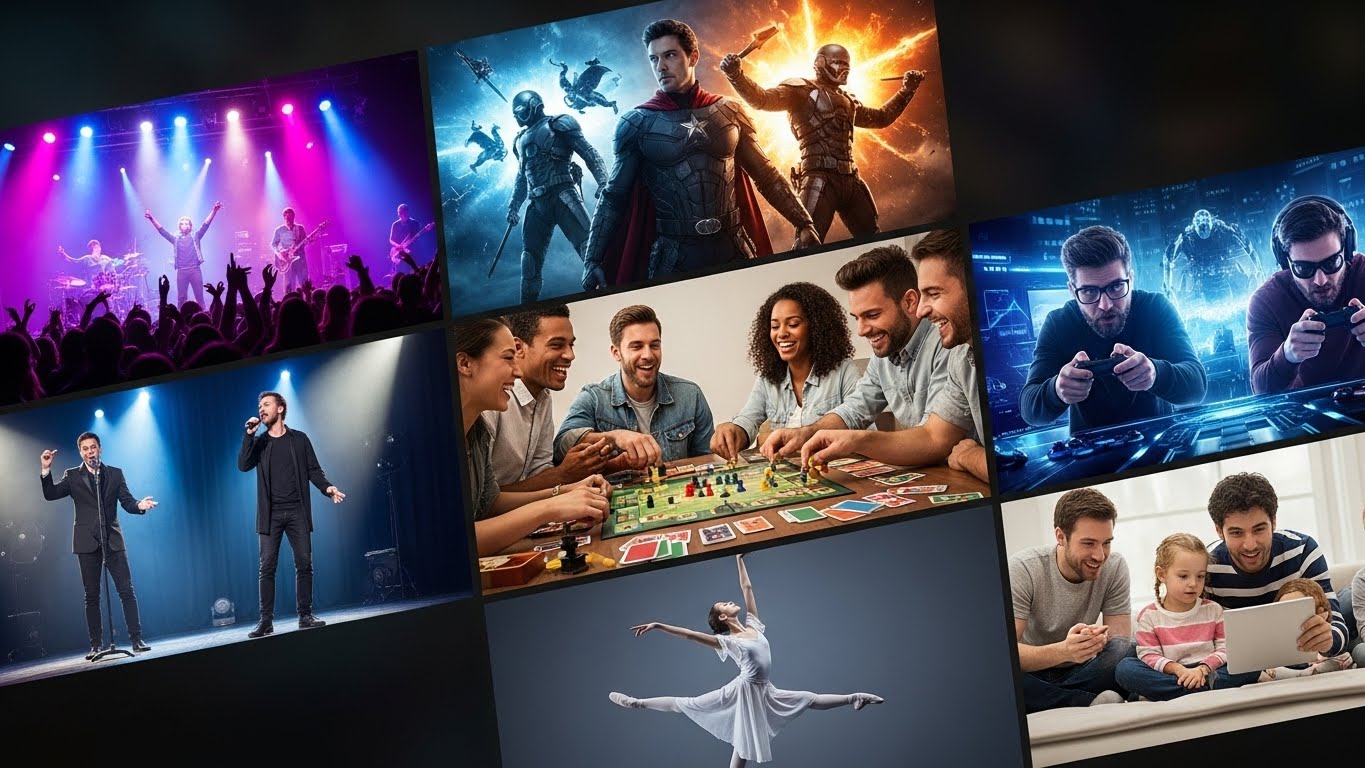
Entertainment is an essential aspect of human life. It’s what helps us unwind, engage our creativity, connect with others, and escape into new worlds. From ancient forms of storytelling around a fire to today’s high-tech streaming platforms, entertainment has evolved dramatically over time. The rapid development of technology has played a significant role in this transformation, shifting how we experience and consume entertainment. Whether through interactive video games, on-demand streaming services, virtual reality, or social media platforms, the entertainment industry is continually adapting to new technological innovations. This blog post explores how entertainment is evolving, the technological forces behind these changes, and what the future holds for this ever-changing landscape.
The Golden Age of Television: A Shift in How We Watch
For decades, television was the dominant form of entertainment in most households around the world. The 20th century witnessed the rise of television as the centerpiece of family entertainment. Shows became cultural landmarks, with families gathering together to watch prime-time broadcasts. Whether it was the latest sitcom, drama series, or reality show, TV provided a shared experience that brought people together.
However, with the rise of the internet in the late 1990s and early 2000s, the way people consumed television began to change. The days of watching live TV broadcasts and waiting for weekly episodes became less appealing as audiences sought more flexible and convenient ways to consume content. The introduction of on-demand streaming platforms like Netflix, Hulu, and Amazon Prime Video disrupted the traditional model of television viewing. These platforms allowed users to watch entire seasons of shows at their own pace, binge-watching entire series in a matter of days if they wished.
Streaming also democratized content creation. While traditional television was controlled by networks and production companies, platforms like YouTube and Vimeo allowed independent creators to upload their own content, giving rise to an explosion of new, diverse entertainment. Today, streaming platforms are a dominant force in the entertainment world, with millions of users around the globe.
The Rise of Interactive Entertainment: Video Games and Esports
The advent of video games marked a major shift in the entertainment landscape. Video games are unique because they offer an interactive experience that sets them apart from traditional media like television and movies. Players don’t just passively watch a story unfold—they actively participate, making decisions that influence the outcomes. Whether it’s a role-playing game with branching narratives, a competitive sports game, or an immersive first-person shooter, video games offer a level of engagement that has captivated millions worldwide.
Over the past few decades, the video game industry has evolved from basic pixelated graphics to highly complex, visually stunning experiences. Games like The Witcher 3, Red Dead Redemption 2, and Cyberpunk 2077 have raised the bar for storytelling and world-building within the medium. These games create vast, open worlds that players can explore at their own pace, offering unprecedented levels of detail and immersion.
Esports, competitive video gaming, has also exploded in popularity. Esports tournaments now draw massive crowds, both in person and via live streaming platforms like Twitch and YouTube. The prize pools for games like League of Legends, Dota 2, and Fortnite are worth millions of dollars, and professional gamers have become celebrities in their own right. What once was considered a niche hobby is now a multi-billion-dollar industry, with millions of fans tuning in to watch professional gamers compete at the highest levels.
Video games continue to evolve with the rise of virtual reality (VR) and augmented reality (AR). VR gaming offers players a fully immersive experience, where they can step into virtual worlds and interact with their surroundings in real time. Games like Beat Saber and Half-Life: Alyx showcase the potential of VR to create entirely new types of interactive entertainment. While VR is still in its early stages, it holds immense promise for revolutionizing gaming and entertainment as a whole.
Music and Social Media: The New Entertainment Platforms
The music industry, too, has been reshaped by technology. In the past, people relied on physical media like vinyl records, CDs, and cassettes to listen to their favorite songs. With the advent of digital music, platforms like iTunes and Napster made it possible to purchase and download songs directly to personal devices. The real transformation, however, came with the rise of streaming services like Spotify, Apple Music, and Pandora. These platforms revolutionized the way people access music, offering instant access to millions of songs from virtually every genre.
Streaming services not only changed how music is consumed, but also how it’s discovered. Algorithms help users find new music based on their listening habits, while curated playlists introduce people to songs and artists they may not have otherwise encountered. Social media platforms like TikTok have further accelerated this shift. Viral challenges, dance trends, and memes often use popular songs, propelling previously unknown tracks to mainstream success. TikTok, in particular, has become a key driver in the music industry, turning obscure tracks into global sensations almost overnight.
Social media has also transformed the way artists interact with their audiences. Musicians can now share updates, behind-the-scenes content, and live performances directly with their followers, creating a more personal connection. Platforms like Instagram, Twitter, and YouTube have allowed artists to build loyal fanbases and promote their work in ways that weren’t possible a few decades ago. This shift has not only given rise to independent musicians but has also created a new generation of influencers, whose content and personas are just as influential as traditional celebrities.
The Role of Artificial Intelligence in Shaping Entertainment
As technology advances, artificial intelligence (AI) is playing an increasingly prominent role in the entertainment industry. AI has the potential to revolutionize many aspects of entertainment, from content creation to personalization. One of the most noticeable impacts of AI is in content recommendation systems. Streaming platforms like Netflix and YouTube use AI algorithms to analyze user behavior and recommend movies, TV shows, and videos based on previous viewing habits. This has made content discovery easier than ever before, tailoring suggestions to individual tastes and preferences.
AI is also being used in content creation itself. In the film industry, AI-powered tools are being used to help scriptwriters create dialogue, assist in editing, and even generate visual effects. For example, AI has been used to improve CGI (computer-generated imagery), creating realistic digital environments and characters that are indistinguishable from real life. In music, AI can generate new songs by analyzing patterns and melodies from existing music, producing new tracks that mimic the styles of popular artists.
The future of entertainment will likely see even more AI-driven innovations. Virtual influencers—computer-generated characters with large social media followings—are already becoming mainstream. These virtual personalities, such as Lil Miquela, have millions of followers and collaborate with major brands, challenging traditional notions of celebrity. In the near future, AI may also help create more personalized entertainment experiences, where each individual’s preferences, habits, and emotions shape the content they consume in real time.
The Future of Cinema: Streaming, Interactive Films, and Immersive Experiences
The future of cinema is likely to be shaped by the increasing dominance of streaming platforms and technological advancements like VR and interactive storytelling. Traditional movie theaters, which once held a monopoly on film distribution, now face competition from the convenience and accessibility of streaming services. The COVID-19 pandemic accelerated this shift, with major studios opting to release films directly to streaming platforms rather than waiting for theatrical releases.
Streaming services have already begun experimenting with interactive films. Bandersnatch, a “choose your own adventure” style film released by Netflix, allowed viewers to make choices that affected the outcome of the story. This interactive format was well-received and has led to discussions about the future potential of interactive storytelling. In the coming years, we may see even more immersive and interactive films that allow audiences to participate in shaping the narrative.
Virtual reality is also poised to transform the cinematic experience. VR movies, where viewers can be fully immersed in a 360-degree environment, are still in their infancy but are gaining traction. These films allow viewers to explore scenes in ways that traditional cinema cannot offer. As VR technology becomes more sophisticated, it could provide an entirely new way to experience movies, offering an interactive and immersive cinematic experience that puts the audience in the center of the action.
Conclusion
Entertainment has come a long way since its early days of oral storytelling and live performances. Today, technology has reshaped the industry in profound ways, offering new forms of interactive, immersive, and personalized experiences. From the rise of streaming platforms and the explosion of video games to the growing influence of AI and VR, the entertainment world is in a constant state of transformation.
The future of entertainment promises to be even more exciting and innovative. As technology continues to advance, the lines between traditional media and interactive experiences will blur even further, creating new ways for people to engage with content. Whether through gaming, music, cinema, or social media, the entertainment industry is continually adapting to the demands of modern audiences. What’s clear is that the future of entertainment will be more connected, more personalized, and more immersive than ever before. The possibilities are endless, and the next chapter in the evolution of entertainment is just beginning.