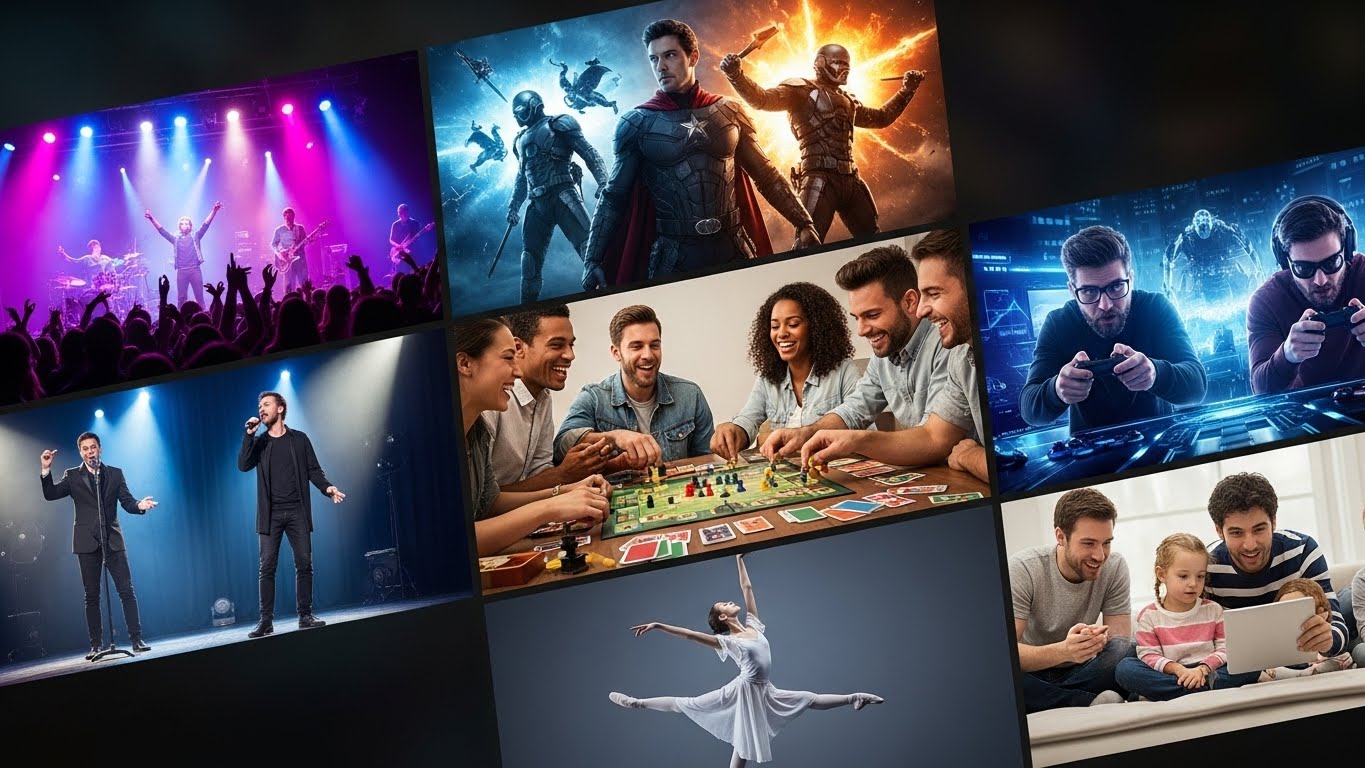
In a world where technology constantly shapes how we interact with entertainment, it’s impossible not to acknowledge the vast changes in the way we experience leisure. The entertainment industry has gone through dramatic transformations in the last few decades, from traditional forms like cinema, television, and theater, to the rise of digital platforms, streaming services, and social media.
This blog post will explore the fascinating journey of entertainment, how it has evolved over time, and what the future holds for an industry that continues to redefine our free time.
The Traditional Forms of Entertainment: A Walk Down Memory Lane
Before the digital revolution took over, traditional forms of entertainment were the dominant source of leisure and joy. These forms were not only a source of amusement but also an integral part of cultural identity. Let’s look at a few classic examples of entertainment from the pre-digital age.
The Glory of Cinema
The cinema, often referred to as the “silver screen,” was one of the most influential and cherished forms of entertainment for generations. The experience of going to the movies, sitting in a darkened theater, and watching larger-than-life stories unfold on the screen was something magical. From Hollywood’s golden age to the rise of international cinema, the movies have been a cultural staple for millions worldwide. Iconic directors such as Alfred Hitchcock, Steven Spielberg, and Akira Kurosawa shaped the cinematic landscape and left legacies that still influence the industry today.
Cinema was also a communal experience. It wasn’t just about watching a film; it was about sharing an experience with a group of strangers. People dressed up, went out for dinner afterward, and discussed the movie in great detail. This kind of collective enjoyment created a social aspect that was unique to film.
Television: The Family Companion
Television quickly became a household staple after its invention in the mid-20th century. It changed the dynamics of family entertainment, bringing people together in front of the screen to enjoy news, dramas, comedies, talk shows, and sporting events. With the rise of cable TV and satellite channels, viewers had an increasing variety of choices for their entertainment. Iconic shows like “Friends,” “The Simpsons,” and “The Twilight Zone” not only became cultural touchstones but also defined entire eras of TV history.
The 80s and 90s marked the peak of television as a dominant form of entertainment. People could tune into their favorite programs weekly and develop a deep connection with the characters they saw on-screen. With the introduction of the remote control, television viewing became more of a passive activity, but it was still a shared social event.
Live Entertainment: Theater and Music
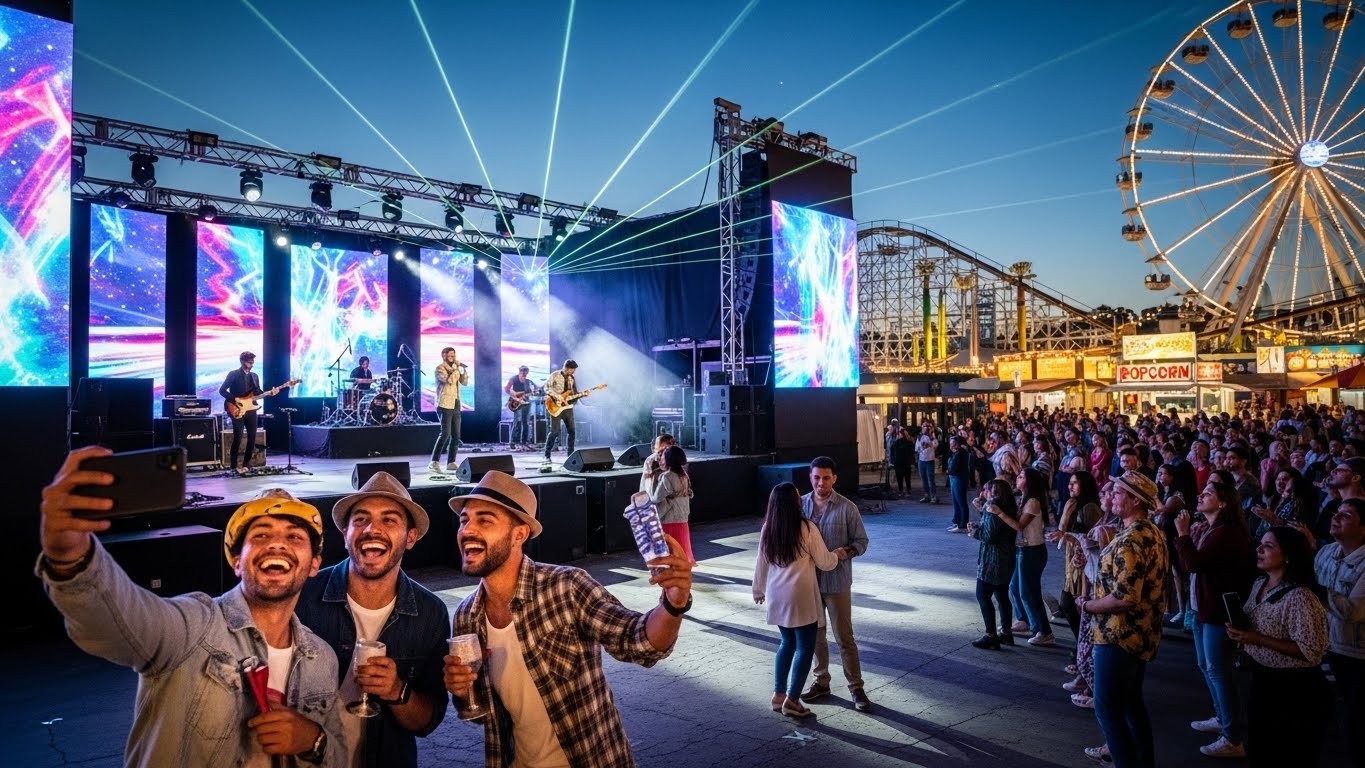
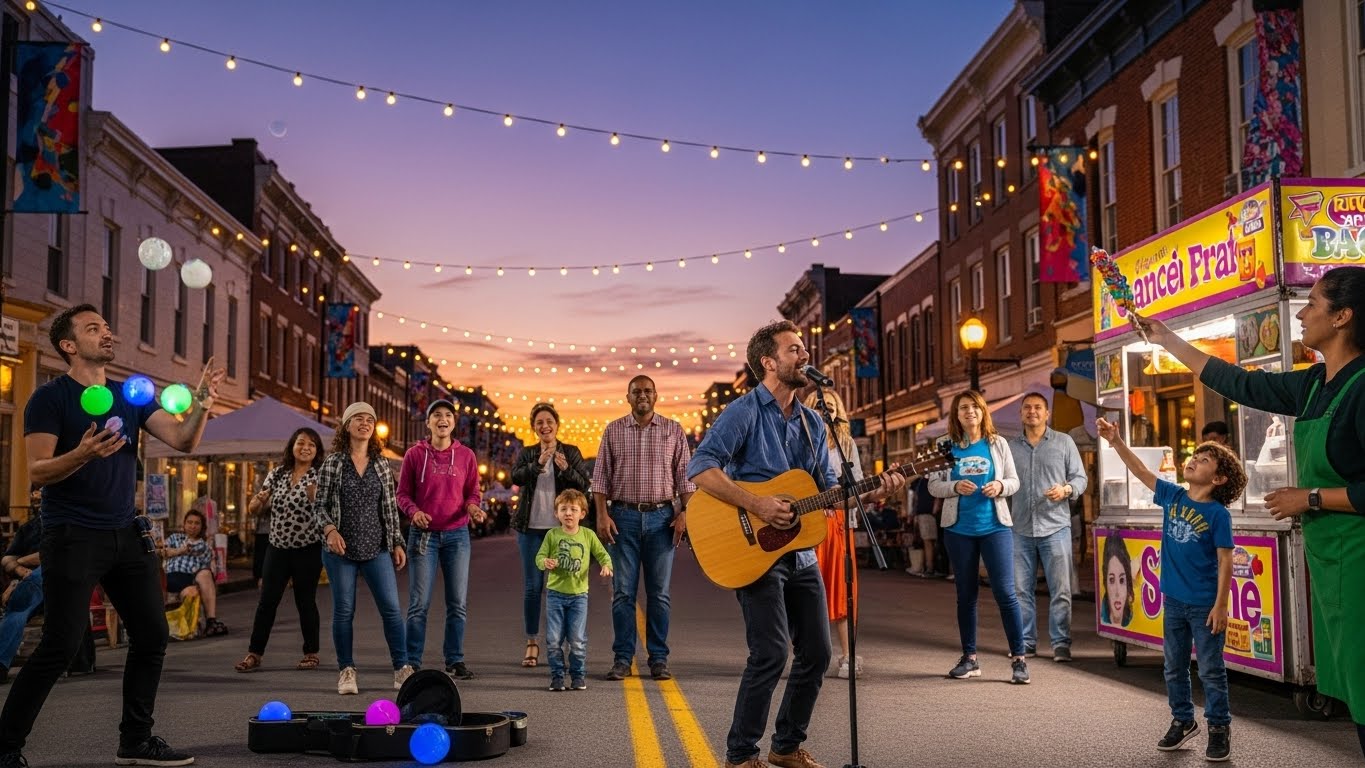
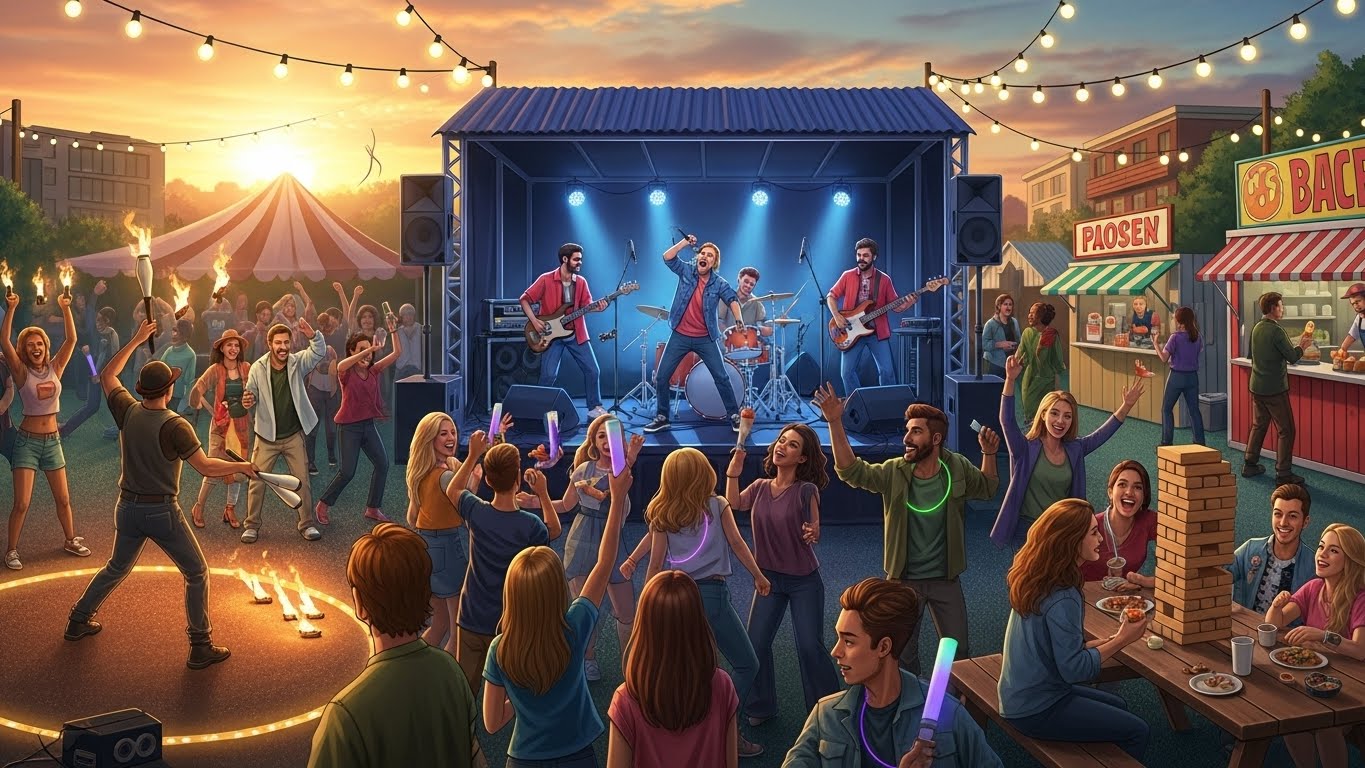
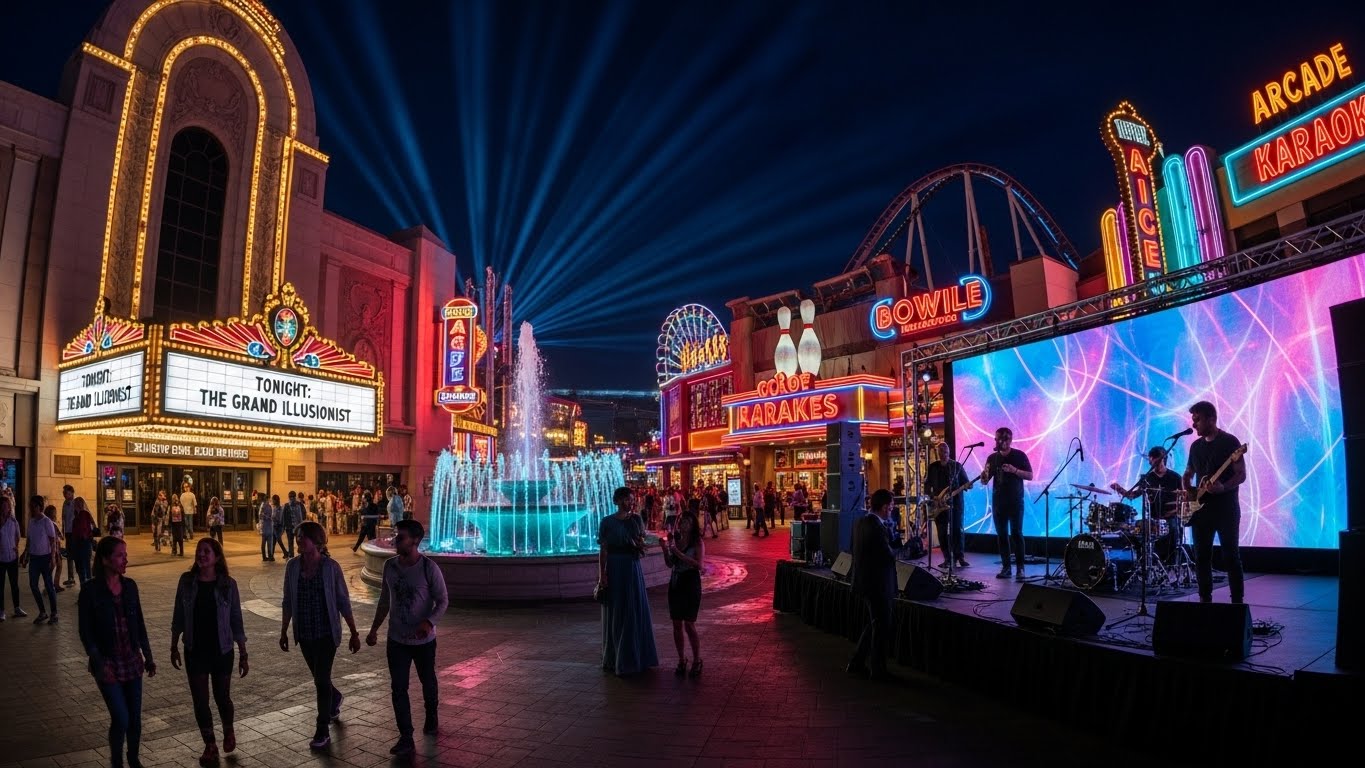
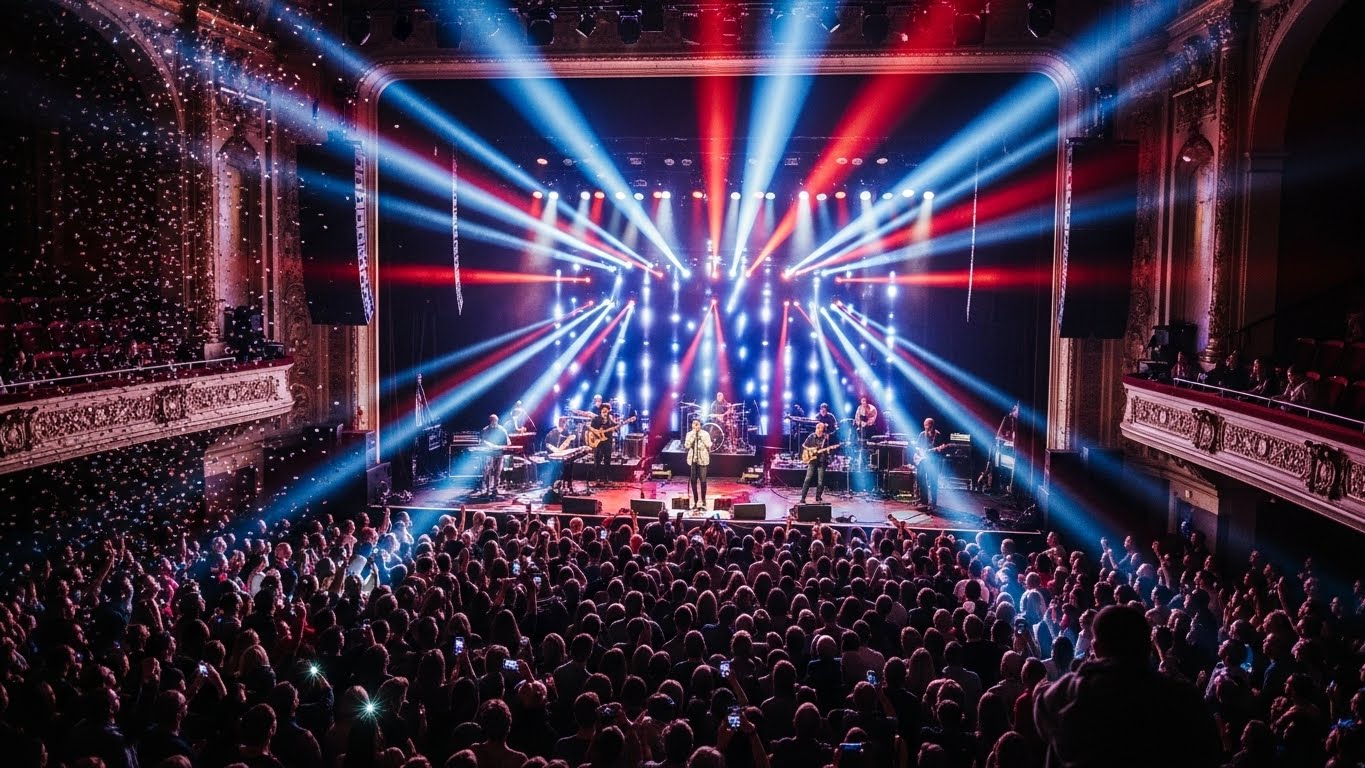
Before movies and TV took over, live performances were some of the most direct forms of entertainment. Whether it was going to see a Broadway show or attending a local concert, live performances offered a unique experience that digital formats couldn’t replicate. The magic of a live audience and the performers interacting in real-time gave a sense of immediacy and connection that is difficult to capture in other mediums.
Live entertainment also spanned across a variety of genres: theater, music concerts, stand-up comedy, opera, and more. These experiences continue to thrive today and still provide an unmatched sense of excitement and connection for those in attendance.
The Digital Revolution: Enter the Internet
With the rise of the internet in the late 20th century, traditional forms of entertainment slowly began to be supplemented by online options. The digital revolution brought about new platforms that changed how we consume, share, and create entertainment. The introduction of the internet gave people access to an unlimited amount of content, and thus, entertainment became increasingly personalized.
Streaming Services: Changing the Way We Watch
Perhaps no development has been as transformative in entertainment as the rise of streaming services. Platforms like Netflix, Hulu, Disney+, and Amazon Prime changed the game by offering users the ability to watch movies and TV shows on demand. This on-demand service revolutionized how people interacted with content, giving them the freedom to watch what they want, when they want, and on whatever device they prefer.
Gone were the days of waiting for a weekly episode or having to schedule around TV times. With streaming, audiences could binge-watch entire seasons in one sitting. In turn, this shift to binge-watching fundamentally changed how television shows were structured. The typical episode-by-episode story arcs became less common, and many shows began adopting a more cinematic, binge-friendly approach to storytelling.
Streaming services also contributed to the globalization of entertainment. With content available across borders, viewers gained access to international shows and movies that they may have never encountered before, exposing them to new cultures, languages, and perspectives.
Social Media: A New Age of Interaction
In parallel with the rise of streaming, social media platforms became an integral part of modern entertainment. Platforms like YouTube, TikTok, Instagram, and Twitter allow users not only to consume entertainment but also to create and share it. These platforms have democratized content creation, giving anyone with a smartphone the ability to make videos, music, and even viral memes.
Social media also allows fans to directly interact with their favorite celebrities, actors, musicians, and influencers, making entertainment more interactive and personal. These platforms have also spawned entire industries, such as influencer marketing, where content creators monetize their following by promoting products and services.
Gaming: The New Frontier of Entertainment
Another area that has seen massive growth is the video game industry. Once considered a niche hobby, gaming has now become one of the largest and most profitable forms of entertainment worldwide. With the development of consoles like the PlayStation, Xbox, and the rise of PC gaming, millions of people spend hours immersing themselves in virtual worlds.
What makes gaming particularly unique is its interactive nature. Unlike passive forms of entertainment like television and movies, video games allow users to directly influence the narrative through their actions. This has led to the emergence of eSports, where professional gamers compete in tournaments watched by millions.
In addition to traditional gaming, mobile gaming has become a massive industry with games like Candy Crush and Fortnite reaching unprecedented levels of popularity. Augmented Reality (AR) and Virtual Reality (VR) are also on the rise, providing players with more immersive experiences than ever before.
The Future of Entertainment: What’s Next?
The future of entertainment is undoubtedly exciting. As technology continues to advance, so too will the ways in which we experience and create entertainment.
Immersive Technologies: Virtual and Augmented Reality
As AR and VR technologies continue to improve, it’s likely that they will play a larger role in entertainment in the coming years. Imagine attending a live concert, not in person, but from the comfort of your own home, yet feeling as though you’re standing front and center. Virtual reality could also revolutionize gaming, with players becoming fully immersed in worlds that feel completely real.
These technologies may also bring about new forms of storytelling, blending the line between audience and participant. Interactive movies or VR theaters could allow viewers to influence the plot in real-time, creating a truly dynamic entertainment experience.
Artificial Intelligence and Content Creation
Artificial intelligence (AI) is another technology poised to influence the future of entertainment. AI algorithms are already being used to recommend movies, music, and TV shows based on user preferences. But in the future, AI may take on a more creative role, helping to write scripts, generate music, or even produce entire films.
Some companies are already experimenting with AI-generated art and virtual performers. While this may seem like a far-off concept, it’s likely that AI could eventually be used to create hyper-realistic animated characters or even deepfake actors in films and television shows. This could blur the lines between reality and fiction, creating entirely new possibilities for storytelling.
The Rise of Interactive and Immersive Experiences
As audiences crave more interactive entertainment, we can expect to see a rise in experiences that blend digital content with physical interaction. Think of pop-up theaters, augmented reality scavenger hunts, or live-streamed gaming events that allow fans to interact with their favorite players in real time.
The metaverse, a collective virtual shared space, is also likely to play a key role in the future of entertainment. Virtual worlds where people can socialize, work, and play could become a dominant form of entertainment, allowing users to live out experiences that are currently impossible in the physical world.
Conclusion: The Ever-Evolving Nature of Entertainment
Entertainment has always been about connection—whether it’s the bond shared between moviegoers, the family gathered around the television, or the fan watching a live-streamed game. As technology continues to advance, the ways in which we connect with entertainment will evolve, but the core principle will remain the same: the need for shared, joyful experiences.
The entertainment industry, constantly innovating and adapting to our needs, is an exciting space to watch. From traditional cinemas to digital streaming and virtual worlds, we can only imagine where the next chapter of entertainment will take us. One thing is for certain: the future of entertainment is limitless, and we’re just getting started.