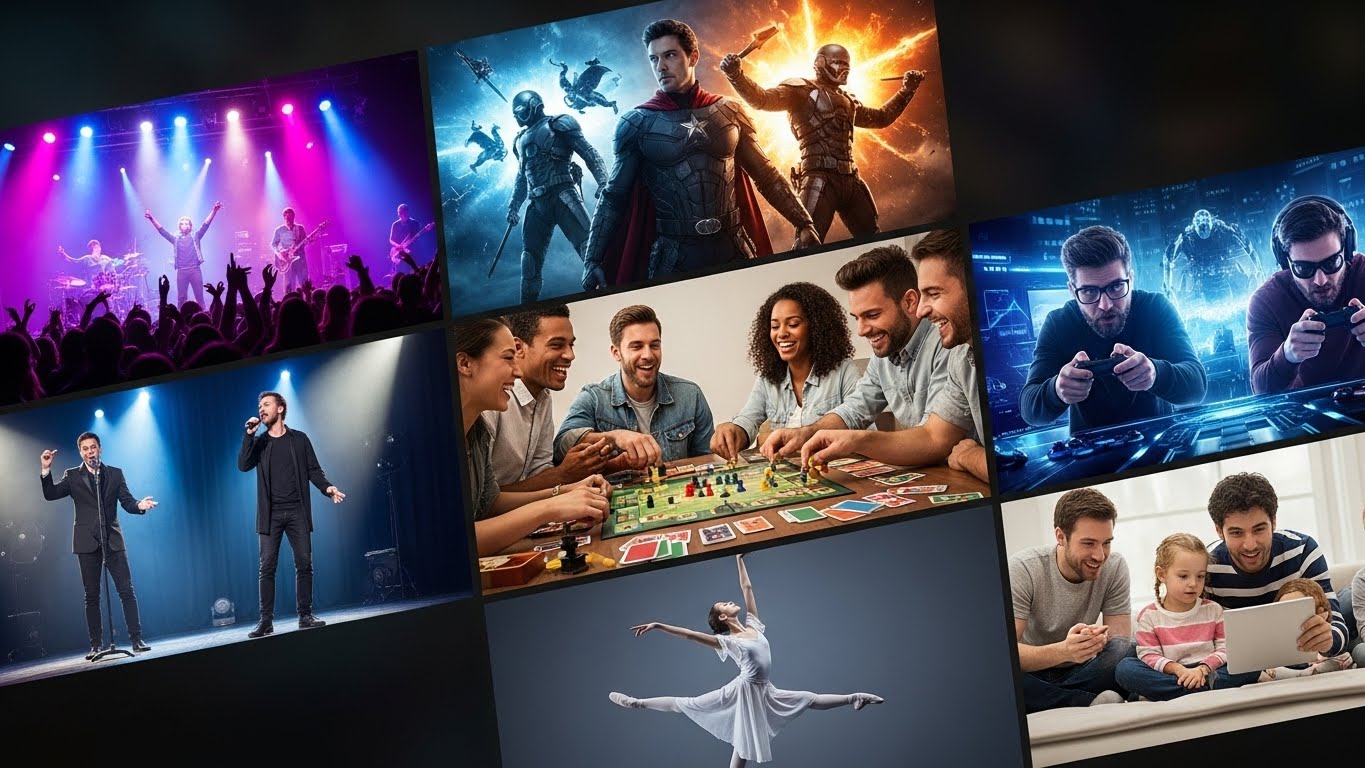
Entertainment is a multifaceted world that continually adapts to the changing times, societal demands, and technological advancements. The entertainment industry has evolved drastically, from early forms of storytelling to the immersive digital experiences we enjoy today. This blog post delves into the transformative journey of entertainment, from its traditional roots to its modern-day forms, and explores how technology has played a pivotal role in shaping our entertainment preferences.
The Traditional Entertainment Era: A Glimpse Into the Past
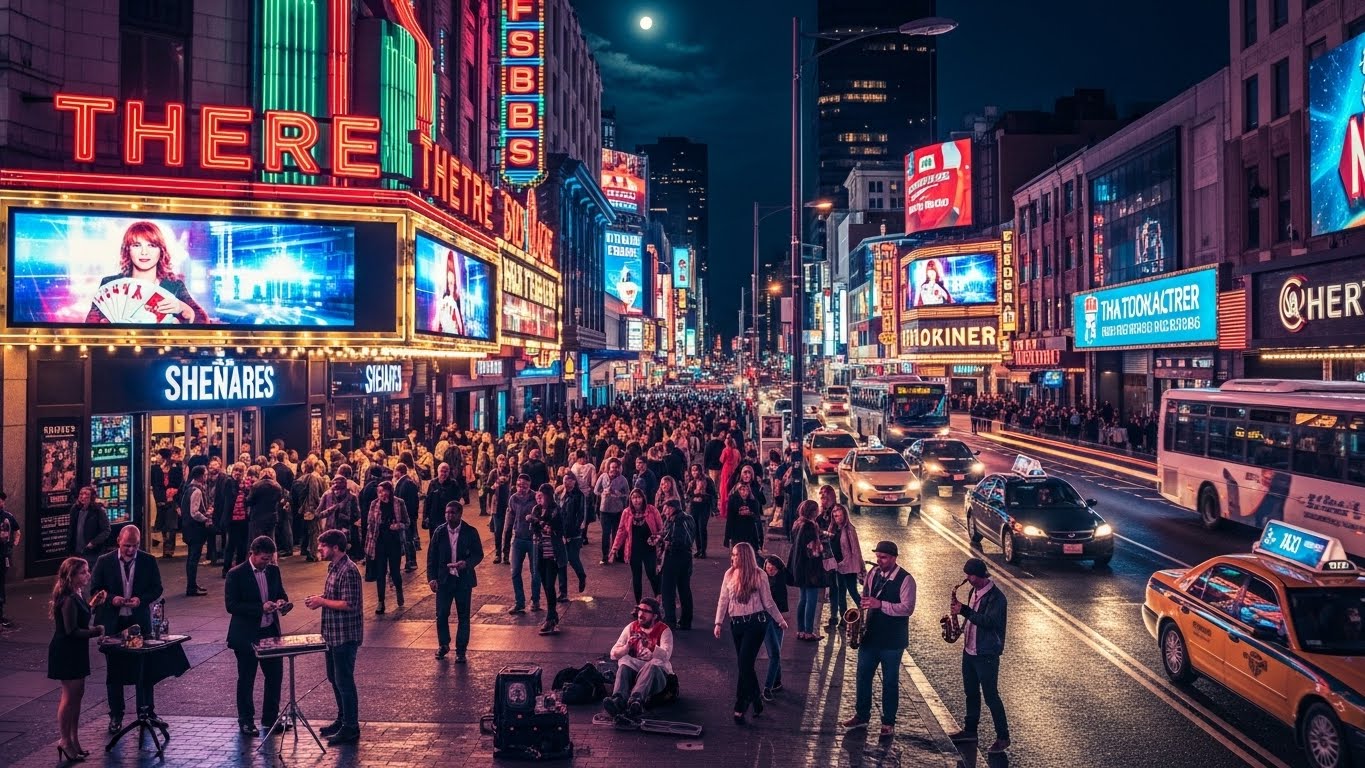
Before the rise of digital media, entertainment primarily revolved around physical spaces and in-person experiences. The most common forms of entertainment included live performances, plays, opera, and traditional sports. Communities often gathered in town squares or theatres to experience live shows, and many forms of entertainment were oral traditions passed down through generations.
Theater and Live Performances
Live theater has always been one of the oldest forms of entertainment, going back to Ancient Greece. Famous playwrights such as Sophocles, Euripides, and Aeschylus are known for shaping the landscape of Western theater. The performances were an essential social activity and an occasion to witness stories about gods, heroes, and human frailty.
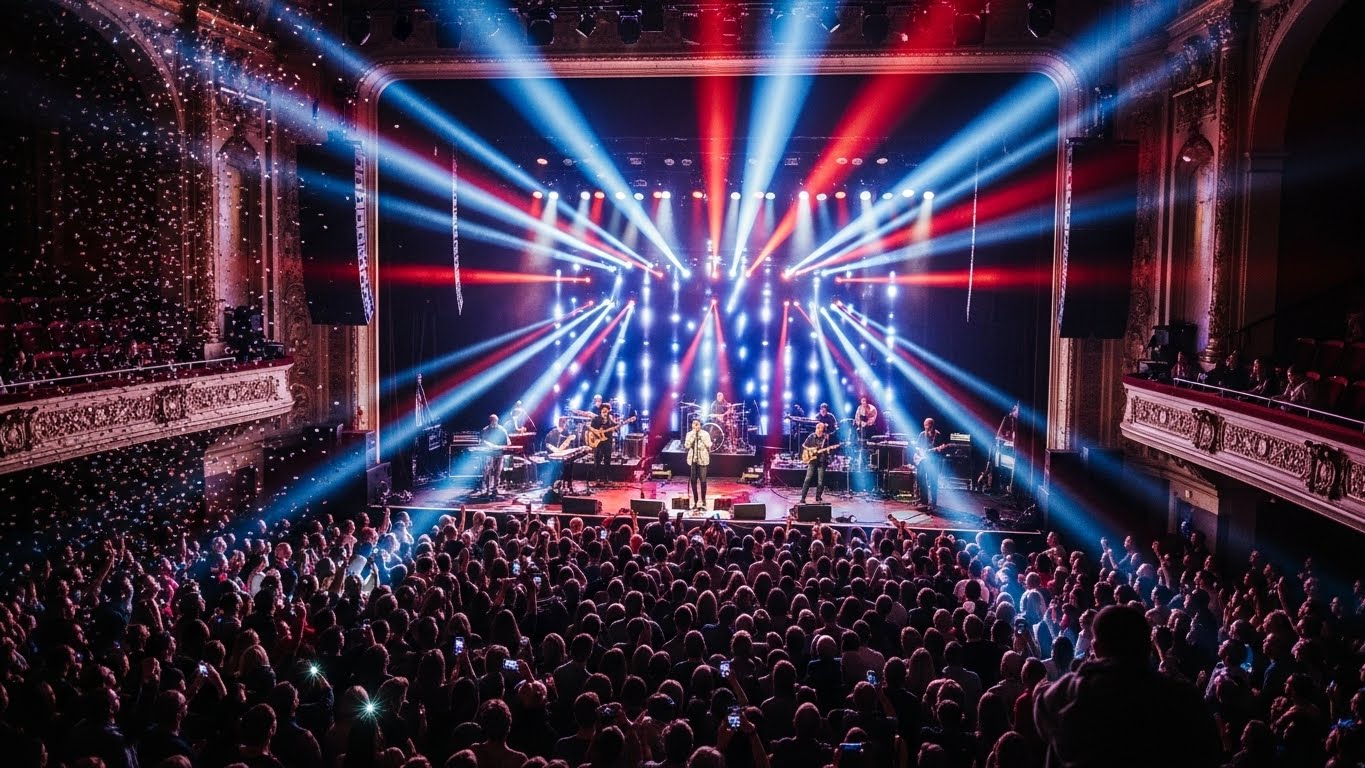
In the 18th and 19th centuries, opera and classical music performances began to take center stage in Europe. People would gather in grand halls and opera houses, dressed in their finest attire, to listen to the masterpieces of composers like Mozart, Beethoven, and Verdi. These events were not only about the music but also the grandeur of the performance and the communal experience of shared enjoyment.
The Rise of Cinema
With the invention of film at the turn of the 20th century, cinema quickly became the dominant form of entertainment. Silent films were replaced by the advent of sound in the 1920s, bringing about the “Golden Age of Hollywood” in the 1930s and 1940s. Film became a source of escapism for people, and movie stars like Marilyn Monroe and Humphrey Bogart became household names.
During this era, watching movies at a theater was a cherished ritual. It wasn’t just about the films themselves; it was about the experience of sitting in a dark room with strangers, all captivated by the same story unfolding on the screen. Cinemas were social hubs, places where people could connect, laugh, cry, and share in the magic of film.
The Birth of Television: Shaping the Modern Entertainment Landscape
Television fundamentally altered how people consumed entertainment. What started as a luxury item in the mid-20th century quickly became a staple in homes around the world, revolutionizing the entertainment industry.
The Family Entertainment Hub
By the 1950s and 1960s, television sets were becoming common in households, and networks like NBC, ABC, and CBS were broadcasting primetime shows that became cultural phenomena. Sitcoms, variety shows, dramas, and news broadcasts were now accessible to anyone with a TV, making it possible for entertainment to enter people’s homes on a daily basis.
Television shows such as I Love Lucy, The Twilight Zone, and The Ed Sullivan Show not only shaped popular culture but also allowed for the development of the modern celebrity. Actors and actresses became household names, and television began to have a significant impact on society, influencing everything from fashion to political views.
The Era of Cable and Satellite TV
In the 1980s and 1990s, the introduction of cable and satellite television expanded entertainment options further. With a wider array of channels offering diverse programming, people no longer had to rely on network TV. Specialty channels like HBO, MTV, and ESPN offered more targeted content, catering to specific tastes and interests.
The rise of 24-hour news channels and reality TV also redefined entertainment. The public’s fascination with celebrity culture grew during this time, and reality TV shows like The Real World and Survivor tapped into people’s desire for unscripted drama and voyeuristic entertainment.
The Digital Revolution: A New Age of Entertainment
The late 20th and early 21st centuries witnessed an explosion of new technologies that would change the way entertainment was created and consumed. The Internet, mobile phones, and digital platforms have all contributed to a seismic shift in the entertainment landscape.
The Rise of Video Games
One of the most significant developments in modern entertainment is the rise of video games. The gaming industry has grown to become a multi-billion-dollar global market, with millions of people around the world playing everything from casual mobile games to immersive console and PC experiences. The gaming experience has evolved from simple arcade games like Pong and Space Invaders to complex, story-driven experiences like The Last of Us and Red Dead Redemption.
Video games today offer not only a form of entertainment but also an avenue for social interaction. Online multiplayer games have created virtual communities where players from across the globe can connect and interact. Esports, where professional gamers compete in tournaments for large cash prizes, has further elevated gaming into a mainstream form of entertainment.
Streaming Services and On-Demand Content
In the past decade, streaming platforms like Netflix, Hulu, Amazon Prime, and Disney+ have redefined how we consume TV shows, movies, and even live sports. Gone are the days of waiting for a weekly episode or scheduling around TV programming. Now, we can watch entire seasons of shows in one sitting, or stream content from any place at any time.
This on-demand model has changed the entertainment landscape by putting power in the hands of the viewer. People no longer have to conform to traditional viewing schedules. The success of original programming like Stranger Things and The Mandalorian further showcases the shifting dynamics of how entertainment is produced and consumed. Furthermore, the ability to watch content on mobile devices means that entertainment can be consumed wherever and whenever.
Social Media and User-Generated Content
Social media platforms like YouTube, Instagram, TikTok, and Twitter have become major players in the entertainment space. They have democratized content creation, allowing anyone with a smartphone to produce and share their work with a global audience. Content creators, influencers, and streamers now have massive followings, and their videos, posts, and streams serve as entertainment for millions of people.
Platforms like TikTok have changed the way people discover and enjoy entertainment, with short-form videos becoming a new medium for creativity and self-expression. Whether it’s viral dance challenges, comedic skits, or informative content, social media has become a central hub for entertainment in the digital age.
Virtual Reality (VR) and Augmented Reality (AR)
Looking to the future, technologies like virtual reality (VR) and augmented reality (AR) are poised to revolutionize entertainment even further. VR, which immerses users in a completely digital environment, is already being used in gaming and entertainment, offering fully interactive experiences that feel incredibly lifelike. AR, which overlays digital elements onto the real world, is making waves in gaming (think Pokemon Go) and has potential in areas like live performances, movies, and even sports.
As these technologies mature, they will likely redefine how we engage with entertainment, allowing for even more immersive, interactive, and personalized experiences. Imagine attending a concert from your living room in VR or interacting with your favorite movie characters through AR.
The Future of Entertainment: What’s Next?
As we look to the future, the possibilities for entertainment seem limitless. Technology continues to advance at a rapid pace, and with it, new forms of storytelling, engagement, and interaction. The lines between physical and digital worlds are increasingly blurred, allowing us to experience entertainment in ways we could never have imagined a few decades ago.
Moreover, as entertainment becomes more personalized and immersive, it will likely continue to challenge traditional norms. Virtual performances, AI-generated content, and the growing influence of data analytics on content production are all areas where innovation will thrive.
The question is no longer “What is entertainment?” but “What will entertainment become next?”
Conclusion
Entertainment has come a long way since its early days, evolving from live performances to the digital streaming platforms we use today. What started as simple forms of amusement—whether through theater, radio, or television—has transformed into an era where we are constantly connected, entertained, and engaged through technology.
As we move further into the digital age, it’s clear that entertainment will continue to adapt and innovate, offering more immersive, personalized, and interactive experiences than ever before. What remains constant, however, is our innate need to escape, relax, and connect with others through shared stories, laughter, and emotional experiences. In whatever form it takes, entertainment will always be a central part of our lives.