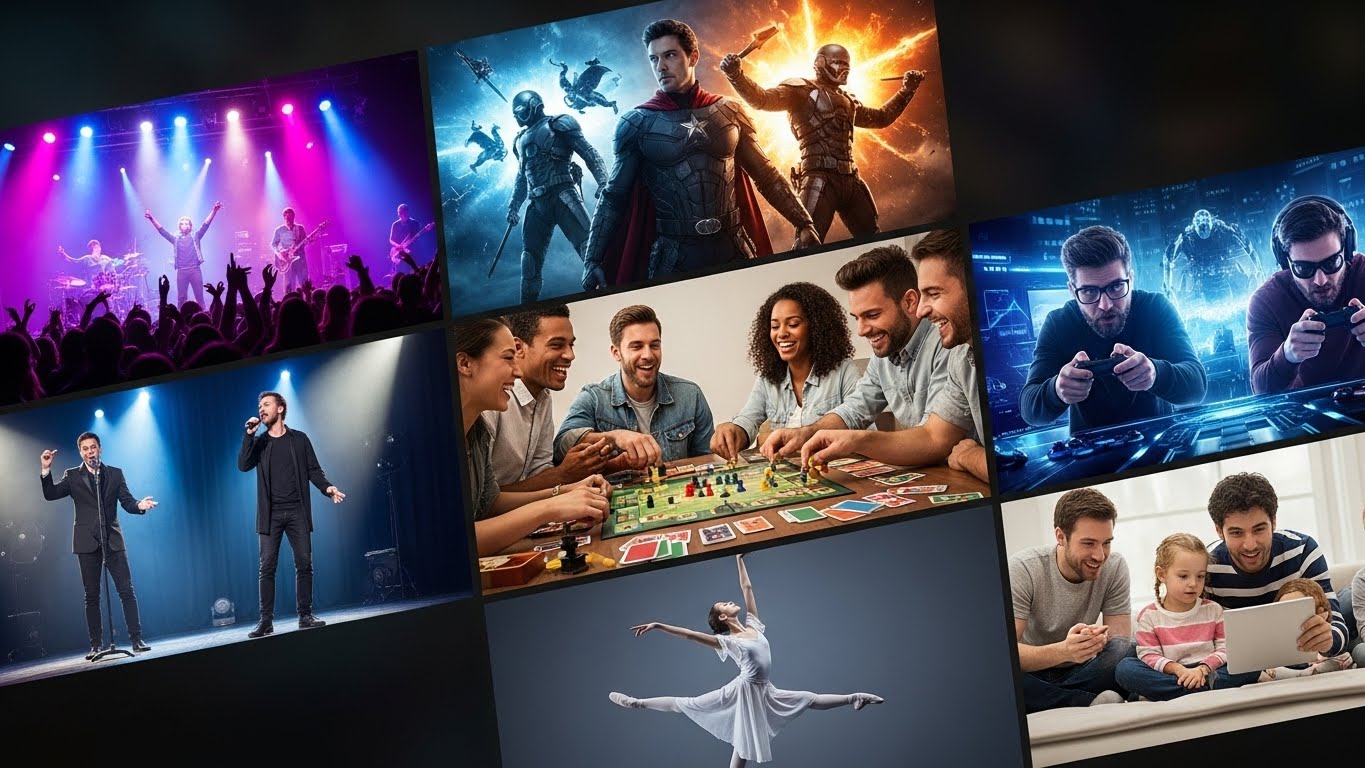
The landscape of entertainment has evolved dramatically over the last few decades, with technology playing a pivotal role in transforming how we consume, interact with, and experience fun. From the early days of television and radio to the rise of social media, streaming services, and virtual reality, entertainment today is no longer confined to traditional forms. In this blog post, we’ll explore how the digital age has revolutionized entertainment, making it more personalized, accessible, and interactive than ever before.
The Shift to On-Demand Content
Gone are the days when we had to wait for our favorite television shows to air at a specific time or schedule movie nights around theater showtimes. The introduction of on-demand content through streaming platforms like Netflix, Disney+, and Amazon Prime Video has completely changed the way we engage with media. Today, audiences can watch shows, movies, and documentaries at their own pace, choosing what to watch and when to watch it. This shift has not only made entertainment more accessible but has also led to the rise of binge-watching culture, where viewers consume entire seasons in one sitting.
Streaming services also cater to individual tastes by offering personalized recommendations based on viewing history, making it easier than ever to discover new content. Whether it’s a hidden gem of a series or the latest blockbuster film, these platforms allow us to curate our own entertainment experience, giving us the power to choose exactly what we want to consume.
The Influence of Social Media and User-Generated Content
Social media has had a profound impact on the entertainment industry. Platforms like YouTube, TikTok, and Instagram have democratized content creation, allowing individuals to become the stars of their own shows. You no longer have to be a Hollywood actor or a major recording artist to gain fame—anyone with a camera and an idea can create content that reaches millions of people.
This has led to the rise of influencers, vloggers, and content creators who share their lives, expertise, or creative projects with global audiences. From viral dance challenges to personal vlogs and comedy sketches, social media has become a platform for diverse forms of entertainment that appeal to a wide range of tastes and interests. Moreover, the direct interaction between content creators and their followers has made entertainment more interactive, fostering a sense of community and engagement that traditional media never could.
The Immersive World of Video Games
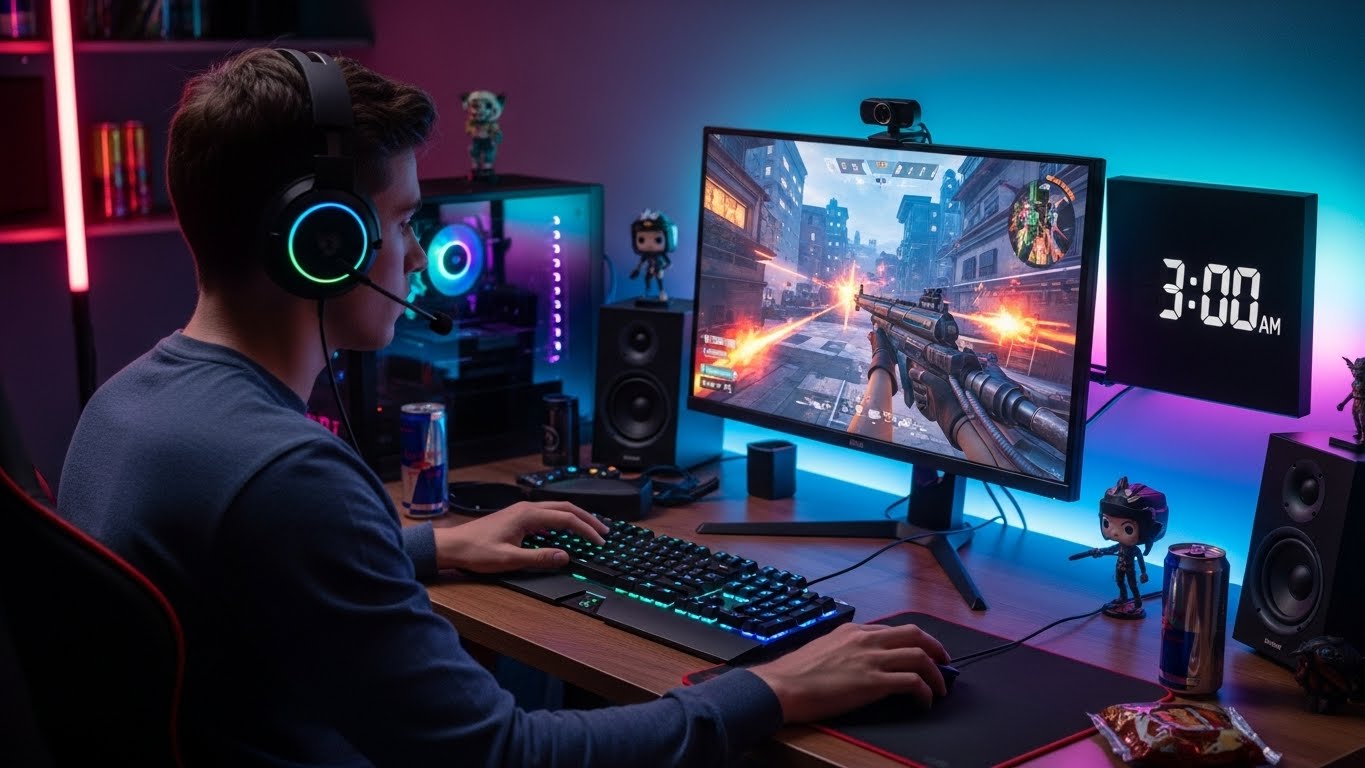
Video games have undergone a major transformation in recent years, evolving from simple pixelated screens to fully immersive digital worlds that rival the complexity of movies. With advancements in graphics, storytelling, and gameplay mechanics, gaming has become one of the most popular and influential forms of entertainment worldwide. Today, video games offer expansive virtual worlds where players can live out adventures, solve puzzles, and engage in interactive storytelling.
The rise of online multiplayer games like Fortnite and Apex Legends has added another dimension to gaming, allowing players to connect with friends and strangers around the world in real time. Additionally, technologies like virtual reality (VR) and augmented reality (AR) have elevated the gaming experience, providing users with an even deeper sense of immersion. VR gaming, in particular, allows players to physically interact with virtual environments, making the gaming experience more lifelike and engaging.
The Power of Music in Modern Entertainment
Music has always been a central part of entertainment, but in the digital age, it has become more accessible than ever before. Streaming platforms like Spotify, Apple Music, and SoundCloud have revolutionized how we discover and listen to music. Gone are the days of buying physical albums or downloading individual songs—now, listeners can access millions of tracks from artists around the world with just a few clicks.
These platforms also offer personalized playlists and curated recommendations based on listening habits, allowing users to explore new genres, artists, and songs effortlessly. Social media has also played a significant role in promoting music, with viral challenges and trends often driving the success of specific songs or artists. Platforms like TikTok have become powerful tools for musicians, giving them a direct way to engage with fans and showcase their talent.
Live Streaming and Virtual Events
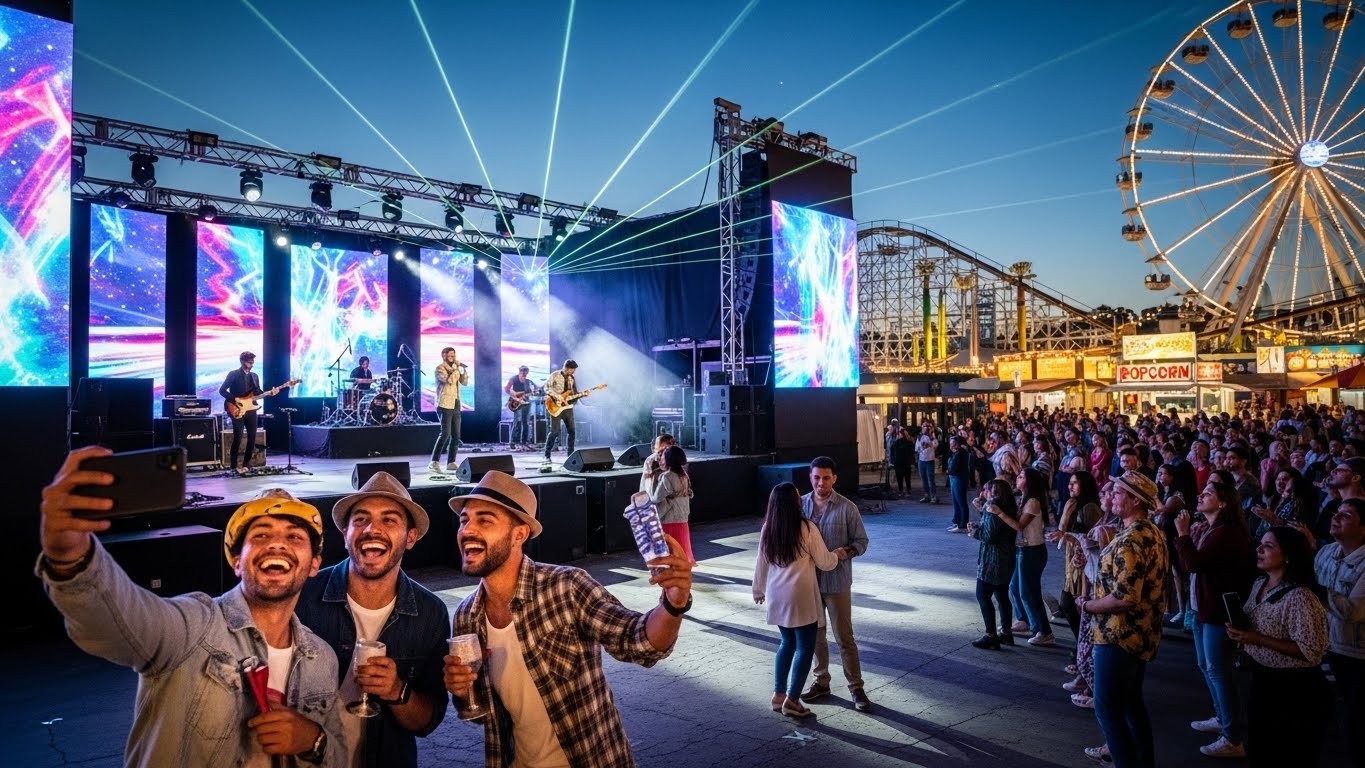
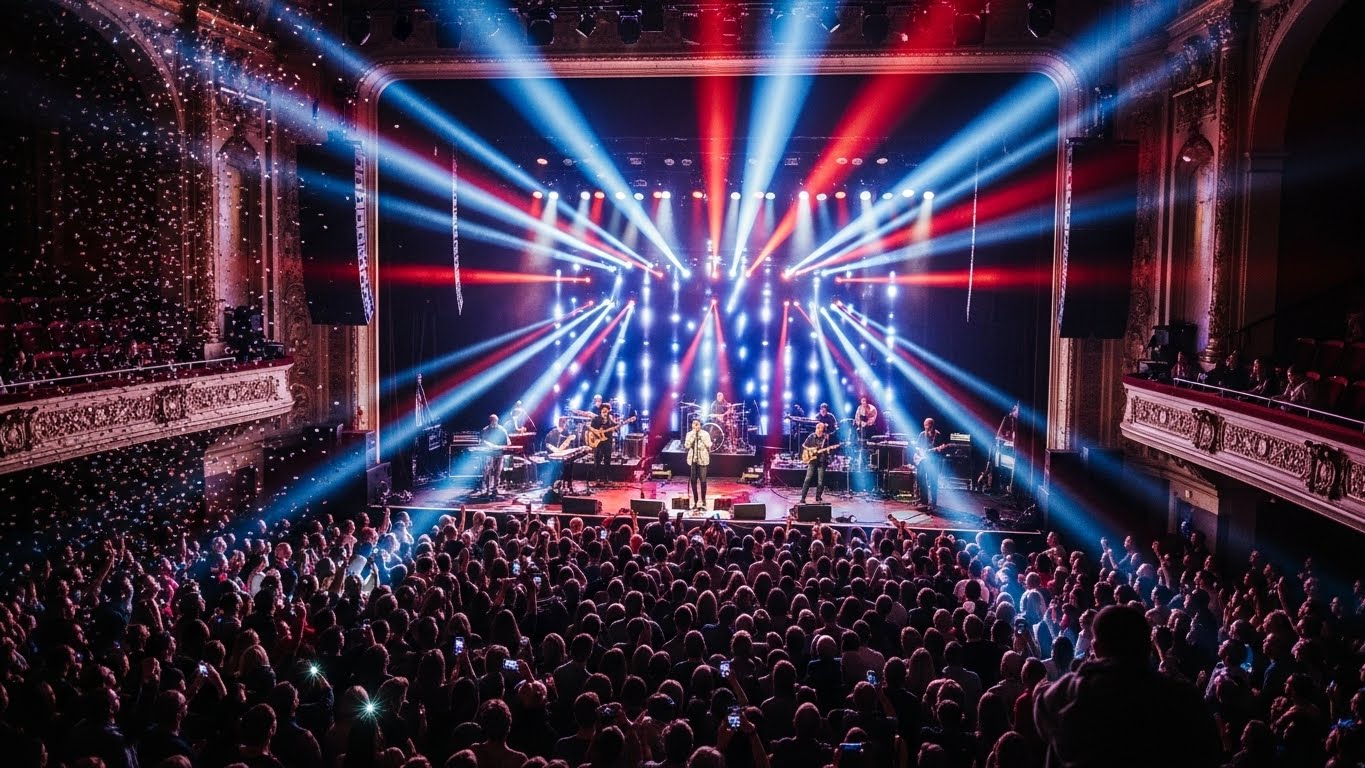
In the past, attending live concerts, theater performances, or sporting events required travel and ticket purchases. However, the digital age has introduced live streaming, making it possible for people to attend virtual events from the comfort of their own homes. Whether it’s a concert, a theater production, or a gaming tournament, live streaming allows fans to experience these events in real time, regardless of their location.
This shift has been especially important during times when in-person events were limited, such as during the COVID-19 pandemic. Artists and performers turned to platforms like Instagram Live, YouTube, and Twitch to continue engaging with their audiences, creating an opportunity for global participation. As technology advances, we can expect virtual events to become more immersive, with features like VR and AR further enhancing the experience.
Entertainment and Mental Well-Being
While entertainment is often viewed as a source of relaxation and enjoyment, its impact on mental well-being is complex. On one hand, entertainment offers an escape from daily stresses, providing a much-needed break for people to unwind. Music, movies, and video games can serve as therapeutic tools, helping individuals cope with emotions and mental health challenges.
On the other hand, excessive consumption of entertainment, particularly through social media, can lead to negative effects on mental health. Constant comparison, the pressure to conform to unrealistic beauty standards, and the addictive nature of certain platforms can contribute to feelings of anxiety and depression. It’s important to engage with entertainment in a mindful way, balancing it with other activities that promote well-being and personal growth.
The Future of Entertainment: What’s Next?
As we look to the future, the world of entertainment is bound to continue evolving at a rapid pace. Emerging technologies like artificial intelligence (AI), 5G connectivity, and holography will likely play a huge role in shaping the next wave of entertainment experiences. AI-driven content recommendations will become even more accurate, predicting what viewers want before they even know it. VR and AR technologies will continue to break new ground, offering even more immersive and interactive experiences for consumers.
Furthermore, entertainment will likely become more personalized, with audiences having greater control over what they watch, play, and listen to. Interactive storytelling, where viewers can influence the outcome of movies or TV shows, may become more commonplace, adding a new layer of engagement.
Conclusion: Entertainment in an Ever-Changing World
In the digital age, entertainment is no longer just about passive consumption. It’s about engagement, personalization, and interactivity. As technology continues to advance, the ways we experience entertainment will keep changing, offering new opportunities for creativity, connection, and discovery. Whether through streaming, gaming, social media, or live events, the entertainment industry is shaping the future of how we relax, learn, and connect with the world around us.
As we move forward, one thing is certain: entertainment will remain a vital part of our lives, continuously adapting to meet the needs and desires of an ever-evolving society.