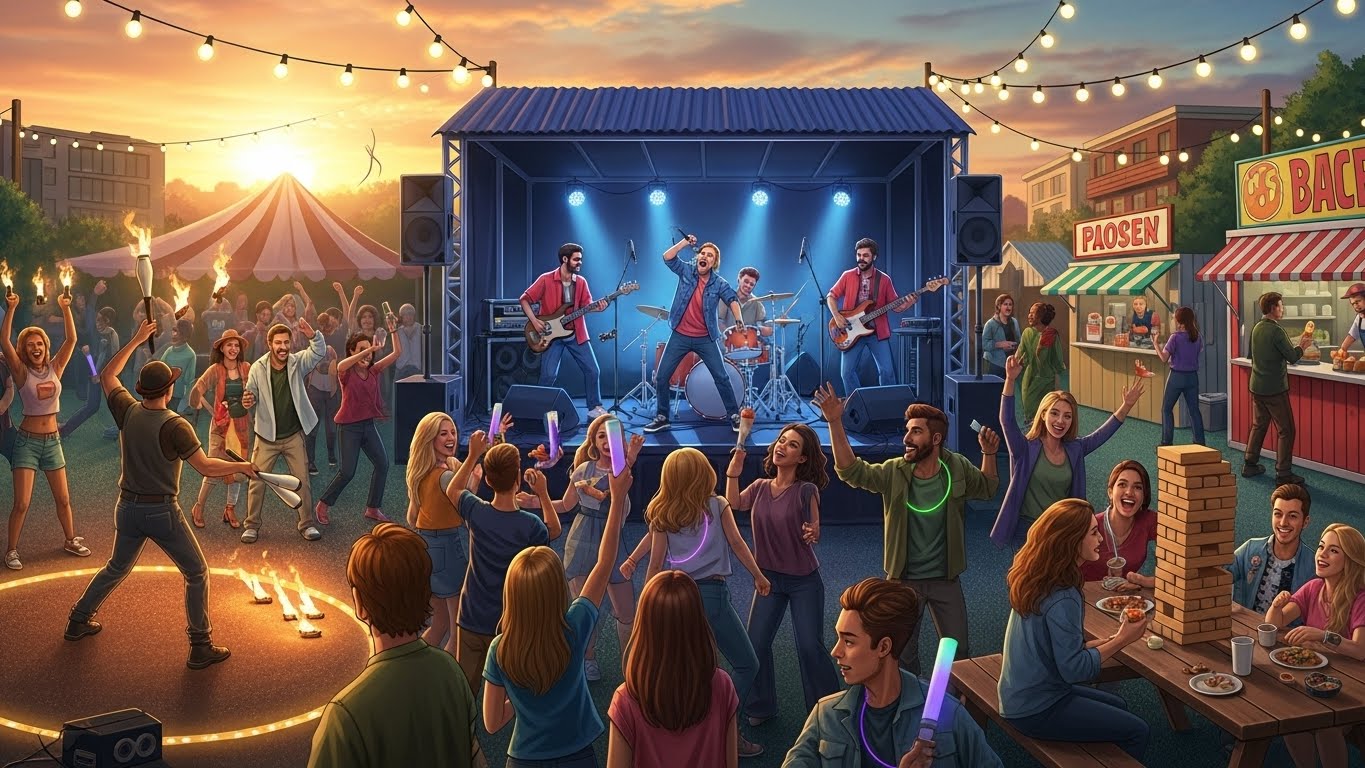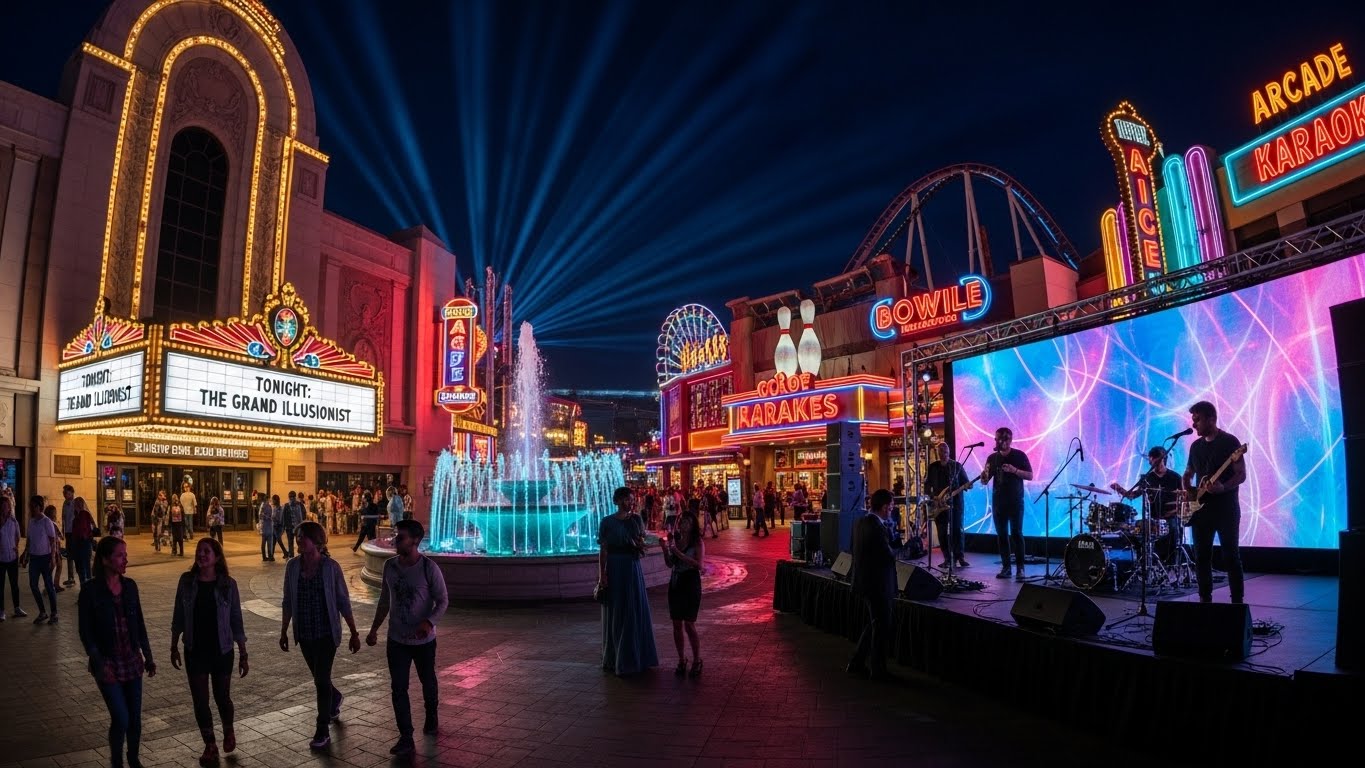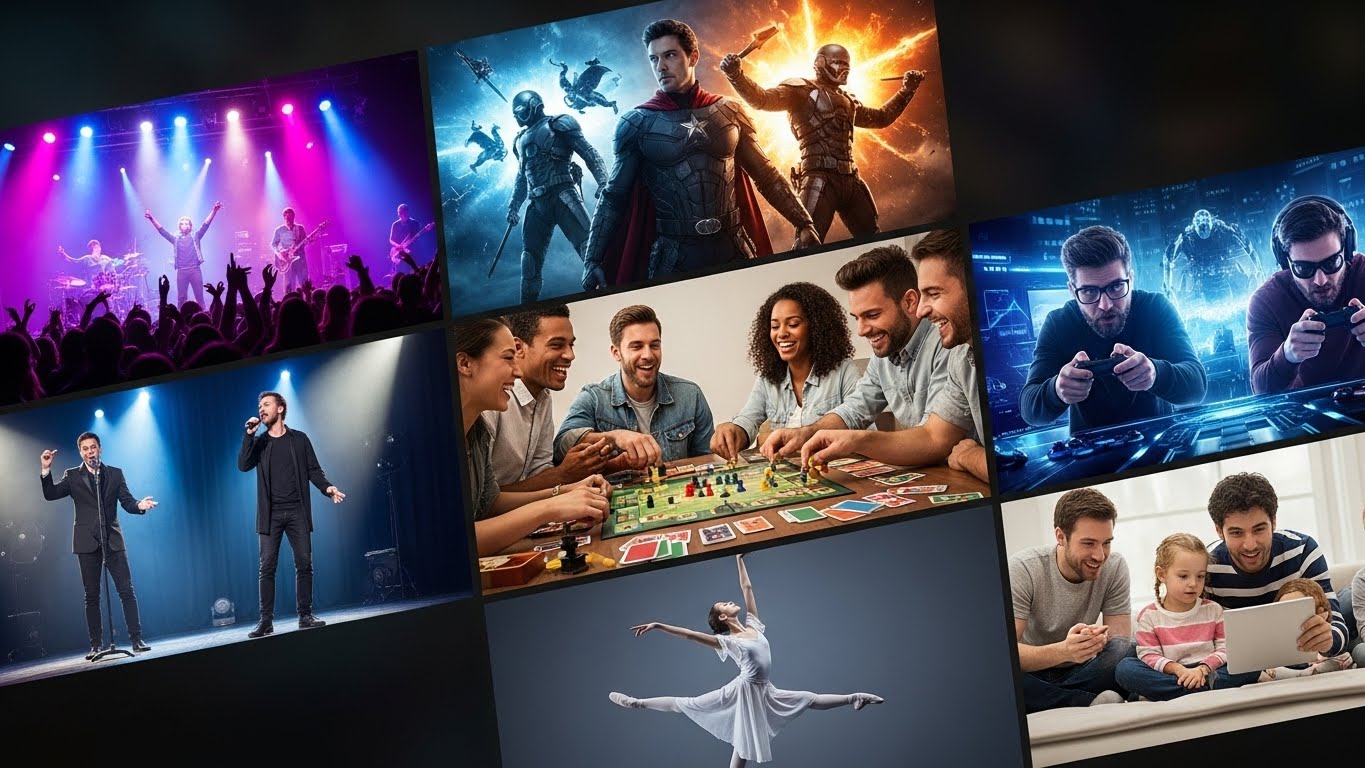
Entertainment has always been an essential part of human life, evolving with the times and adapting to new technologies and cultural shifts. What started as simple communal activities like storytelling and music has transformed into a complex web of digital experiences. In today’s fast-paced world, entertainment is no longer limited to traditional forms like television and movies. It now spans a wide variety of mediums, including streaming services, video games, and virtual reality. But what does this mean for the future of entertainment? Let’s explore how technology is shaping the way we enjoy our free time.
The Rise of Streaming Services: Convenience at Your Fingertips
One of the most significant changes in the entertainment landscape has been the explosion of streaming services. Platforms like Netflix, Hulu, and Disney+ have revolutionized how we watch television and movies. Gone are the days of waiting for a specific time slot to watch your favorite show. With streaming, everything is available on-demand, making it easier than ever to binge-watch entire seasons or explore a vast library of content.
Streaming services have also opened up access to international content. With just a few clicks, you can watch shows and films from different cultures, languages, and countries. This has broadened our entertainment options and introduced us to a diversity of storytelling styles that we might never have encountered in traditional media.
The shift from physical media like DVDs and Blu-rays to digital streaming has made entertainment more accessible, affordable, and customizable. The ability to pick and choose what to watch, and when, has fundamentally changed the way we experience media.
The Gaming Boom: From Console to Cloud
Gaming has evolved from a niche hobby to a mainstream entertainment juggernaut. Once confined to console systems or arcade machines, video games are now accessible across multiple platforms, including mobile phones, personal computers, and even cloud-based services like Google Stadia and Xbox Cloud Gaming.
The rise of multiplayer online games has transformed gaming into a social activity. Titles like Fortnite, Apex Legends, and Call of Duty not only offer immersive gaming experiences but also foster a sense of community through online interaction. Gamers can now connect with friends or strangers across the globe, creating virtual communities that thrive on shared experiences.
Moreover, the line between gaming and other forms of entertainment is blurring. Video games are no longer just about playing—they are about storytelling. Games like The Last of Us and Red Dead Redemption 2 are comparable to blockbuster movies in terms of their narrative complexity and emotional impact. The future of gaming looks poised to continue evolving with virtual reality (VR) and augmented reality (AR) opening up new worlds of possibility.
The Virtual Reality Revolution: A New Dimension of Entertainment
Speaking of VR and AR, these immersive technologies are rapidly changing the entertainment landscape. Virtual reality allows users to step into fully realized 3D worlds, whether for gaming, interactive experiences, or even virtual tourism. Imagine putting on a headset and experiencing the thrill of a roller coaster, diving into an underwater adventure, or exploring outer space—all from the comfort of your living room.
On the other hand, augmented reality overlays digital content onto the real world. Apps like Pokemon Go took the world by storm by encouraging users to explore their surroundings while engaging with digital creatures. AR has the potential to transform not only gaming but also industries like education, retail, and entertainment as a whole. Interactive theater performances, live concerts with AR enhancements, and virtual museums are just the beginning.
As these technologies continue to improve, we may see the emergence of fully immersive experiences where entertainment is not just something you watch or play, but something you live.
The Social Media Shift: User-Generated Content Takes the Stage
Another significant development in the entertainment industry has been the rise of social media platforms as entertainment hubs. YouTube, Instagram, TikTok, and other social networks have become not only places for socializing but also for content consumption. In fact, platforms like TikTok have introduced entirely new forms of entertainment through short-form video content that is quick, creative, and often viral.
The democratization of content creation means that everyone with a smartphone has the potential to become an entertainer. Many of today’s most popular influencers, dancers, and comedians started with simple videos or posts that captured the imagination of the public. This shift from traditional media to user-generated content has made entertainment more personal and relatable.
Social media has also made entertainment more interactive. Users can comment on posts, participate in challenges, and even create their own content based on trends. This level of engagement creates a sense of community and shared experience, allowing fans to feel like active participants rather than passive viewers.
The Future of Entertainment: Personalized, Interactive, and AI-Driven
Looking ahead, the future of entertainment will likely be shaped by advancements in artificial intelligence (AI), machine learning, and 5G technology. AI could enable personalized content creation, where shows and movies are tailored to your preferences. Imagine a TV series that adapts based on your viewing habits, or a movie that changes its plotline depending on your emotional reactions. AI could even help create virtual characters that respond to your interactions in real-time, blurring the lines between reality and fiction.
Furthermore, 5G technology will make it possible to stream high-quality content without interruptions, enabling seamless experiences in virtual and augmented reality. The promise of ultra-fast connectivity will unlock new opportunities for immersive entertainment, including holographic concerts, live-streamed events in 360 degrees, and more.
Conclusion: A Bright and Exciting Future for Entertainment
From streaming services and gaming to VR and social media, entertainment has transformed drastically over the past few decades. As technology continues to advance, the possibilities are endless. Whether it’s through interactive storytelling, immersive virtual experiences, or AI-powered content, the future of entertainment promises to be even more personalized, engaging, and exciting.
What is clear is that entertainment is no longer just a way to pass the time—it has become a central part of our lives, shaping how we connect with each other and the world around us. With new technologies constantly emerging, we are on the cusp of a new era in entertainment, one that will continue to surprise and delight us for years to come.