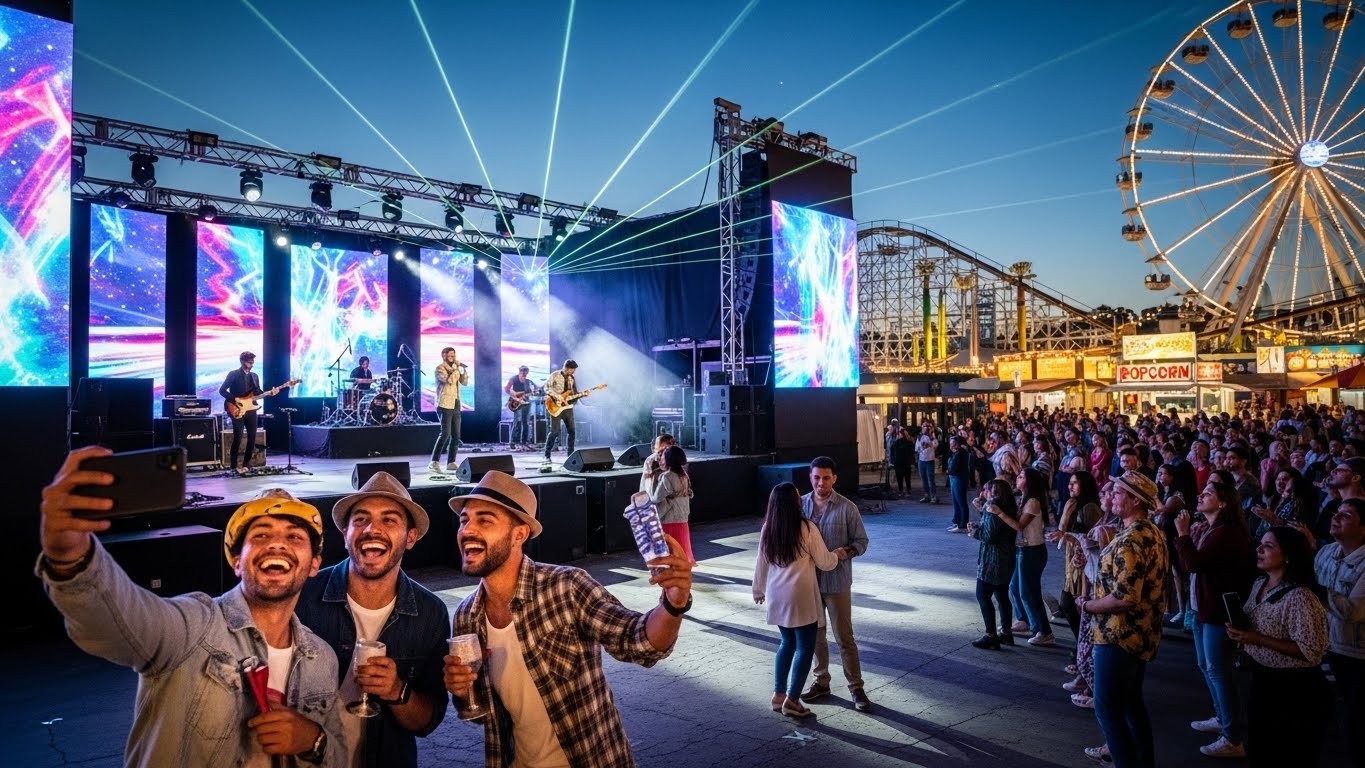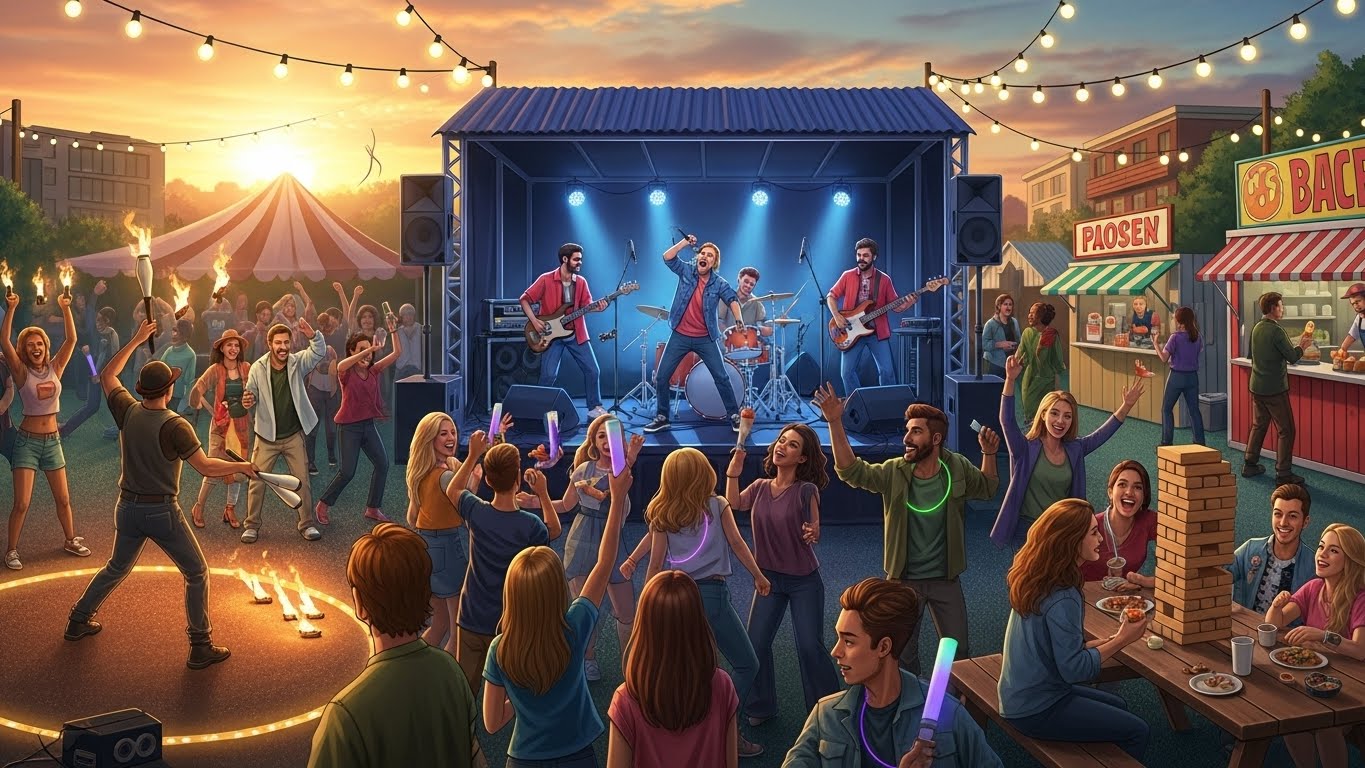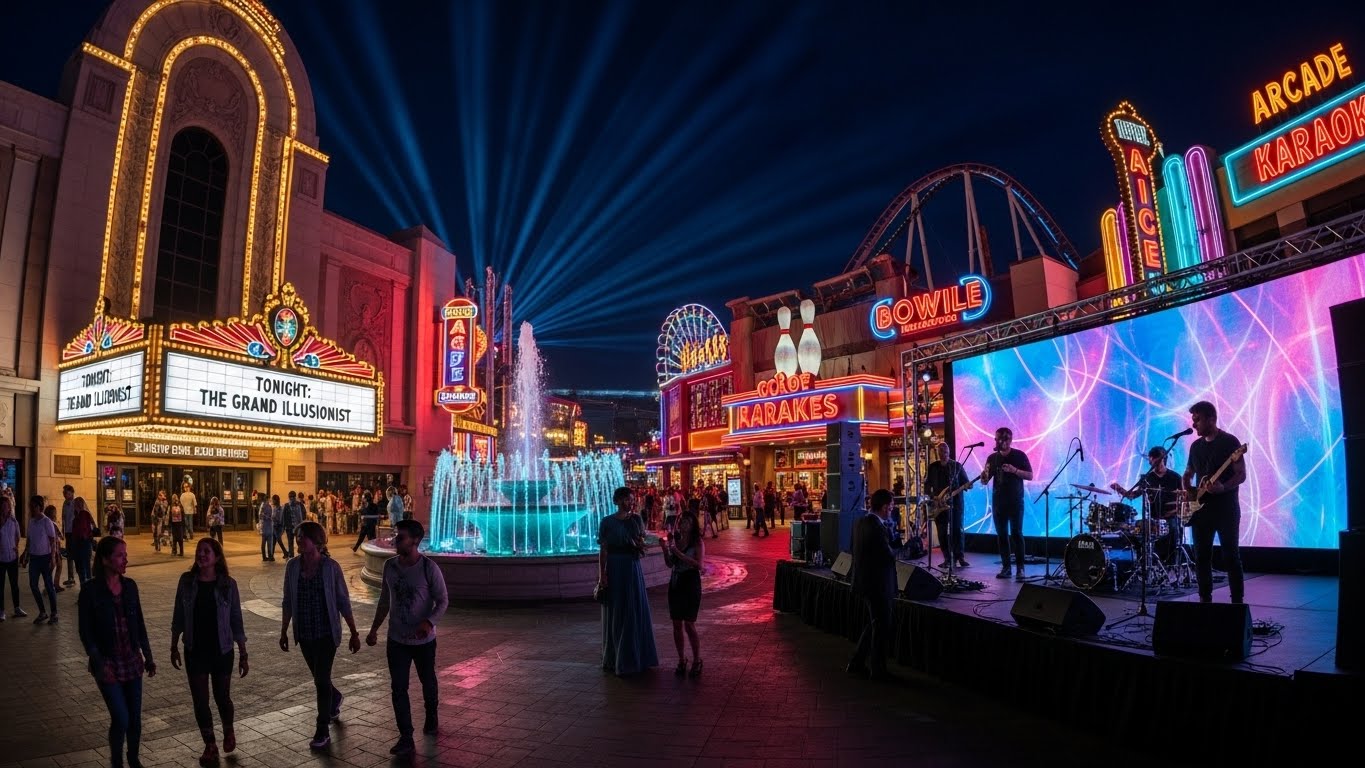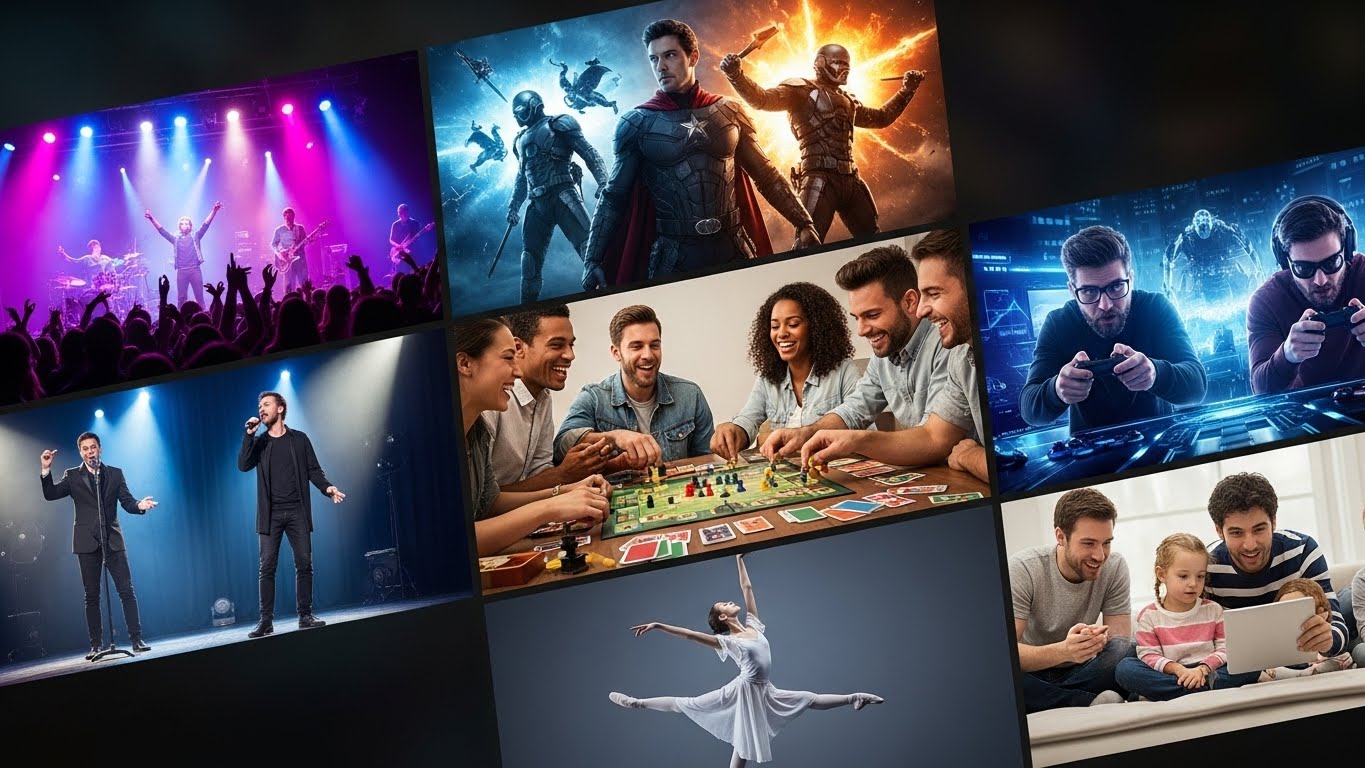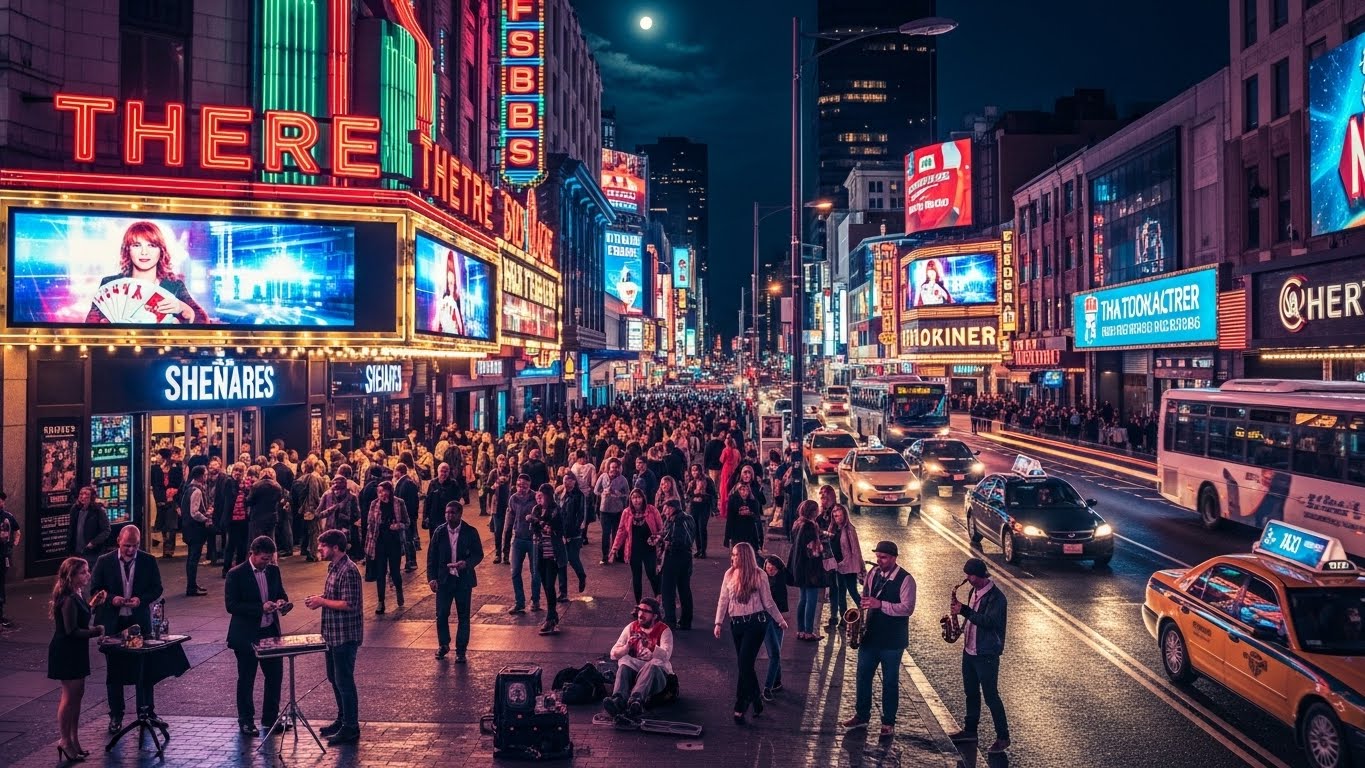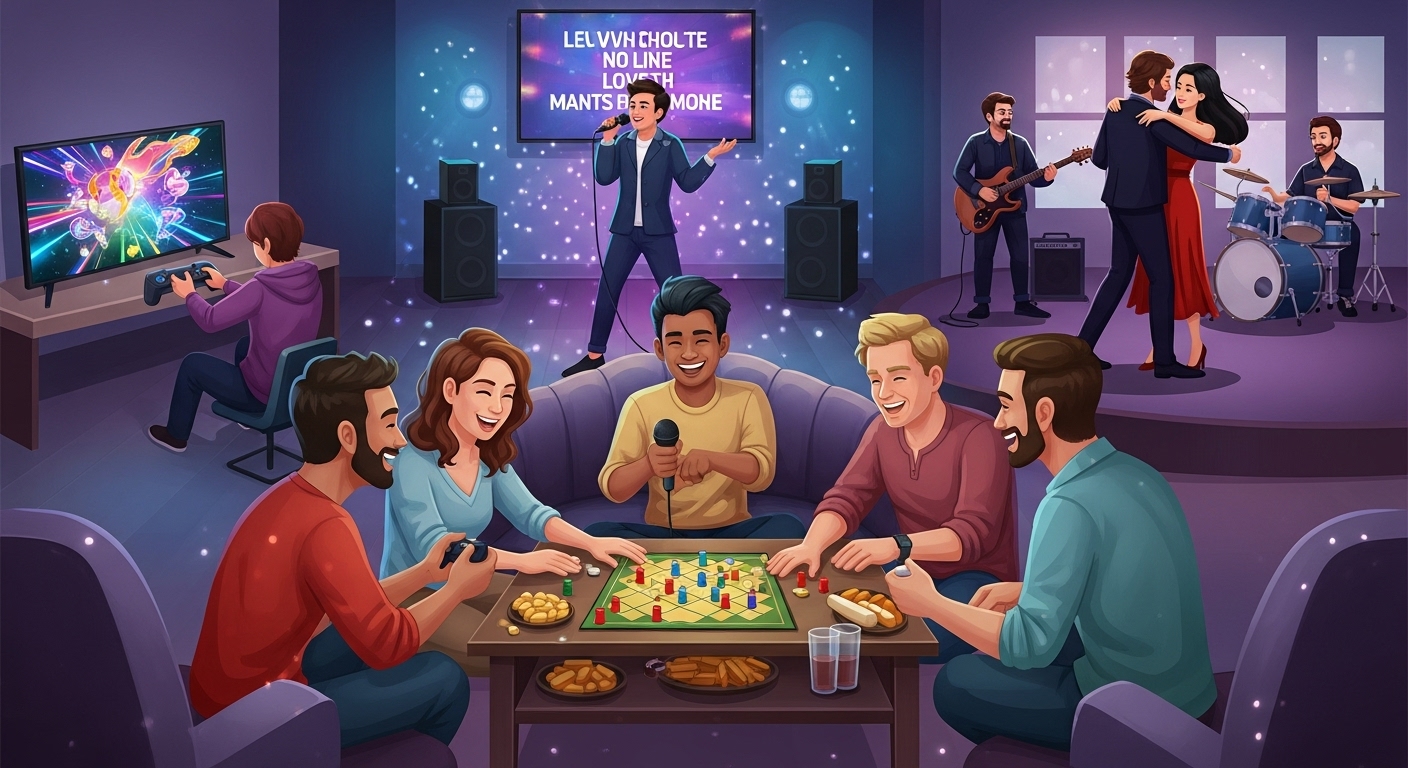
Entertainment is one of the oldest and most essential aspects of human civilization. From the first time people gathered around a fire to share stories, to the dazzling lights of modern cinema and digital platforms, entertainment has evolved alongside humanity. It is not just about fun or distraction; it is about connection, creativity, and the shared human experience. In today’s world, entertainment exists in countless forms—movies, music, television, gaming, theatre, social media, and even the daily trends that sweep across the internet. This blog explores how entertainment has evolved, what it means today, and why it continues to be such a powerful force in our lives.
The Roots of Entertainment
Before modern technology or the internet, entertainment was a form of storytelling and community bonding. People entertained themselves through oral traditions, songs, dances, and plays. In ancient times, entertainment was often tied to rituals and celebrations. The Greeks gave us theatre, where tragedy and comedy were born. Romans built grand amphitheaters to host gladiatorial battles, and in Asia, storytelling through puppetry, music, and dance flourished.
What’s fascinating about early entertainment is that it served multiple purposes. It wasn’t just about amusement; it was a form of education, communication, and cultural preservation. Storytellers kept history alive, musicians expressed emotions that words could not, and dancers symbolized spiritual beliefs through movement.
Even now, we see echoes of these traditions in modern performances. The themes of love, heroism, tragedy, and humor remain universal, showing that while the tools of entertainment change, the human need for storytelling never fades.
The Golden Age of Cinema
When cinema was invented in the late 19th century, it revolutionized entertainment forever. For the first time, people could see moving images on screen, and it felt magical. Silent films captured emotions through gestures and expressions, and soon, the addition of sound made movies even more powerful. The early decades of the 20th century are often called the Golden Age of Hollywood—a time when stars like Charlie Chaplin, Audrey Hepburn, and Humphrey Bogart became icons.
Movies offered an escape from daily life. During hard times, such as wars or economic depressions, cinema gave people a world of imagination and hope. The silver screen became a reflection of dreams, desires, and struggles. Filmmakers began using cinema as a form of art, combining visuals, music, and storytelling to evoke deep emotions.
As technology advanced, so did the quality of films. Color, special effects, and later, computer-generated imagery (CGI) transformed the industry. Today, we have superhero sagas, fantasy epics, realistic dramas, and documentaries that bring every aspect of the world to our eyes. The magic of cinema remains—only the tools have evolved.
The Power of Music
Music has always been at the heart of entertainment. It connects people across cultures, languages, and generations. From the rhythm of tribal drums to the melodies of classical orchestras and the beats of modern pop songs, music has the power to move souls.
In the past century, music has gone through tremendous evolution. The early 1900s introduced jazz, blues, and swing, while the 1950s brought rock and roll. The 1980s were dominated by pop icons who defined global culture, and the 2000s ushered in digital streaming and global collaborations.
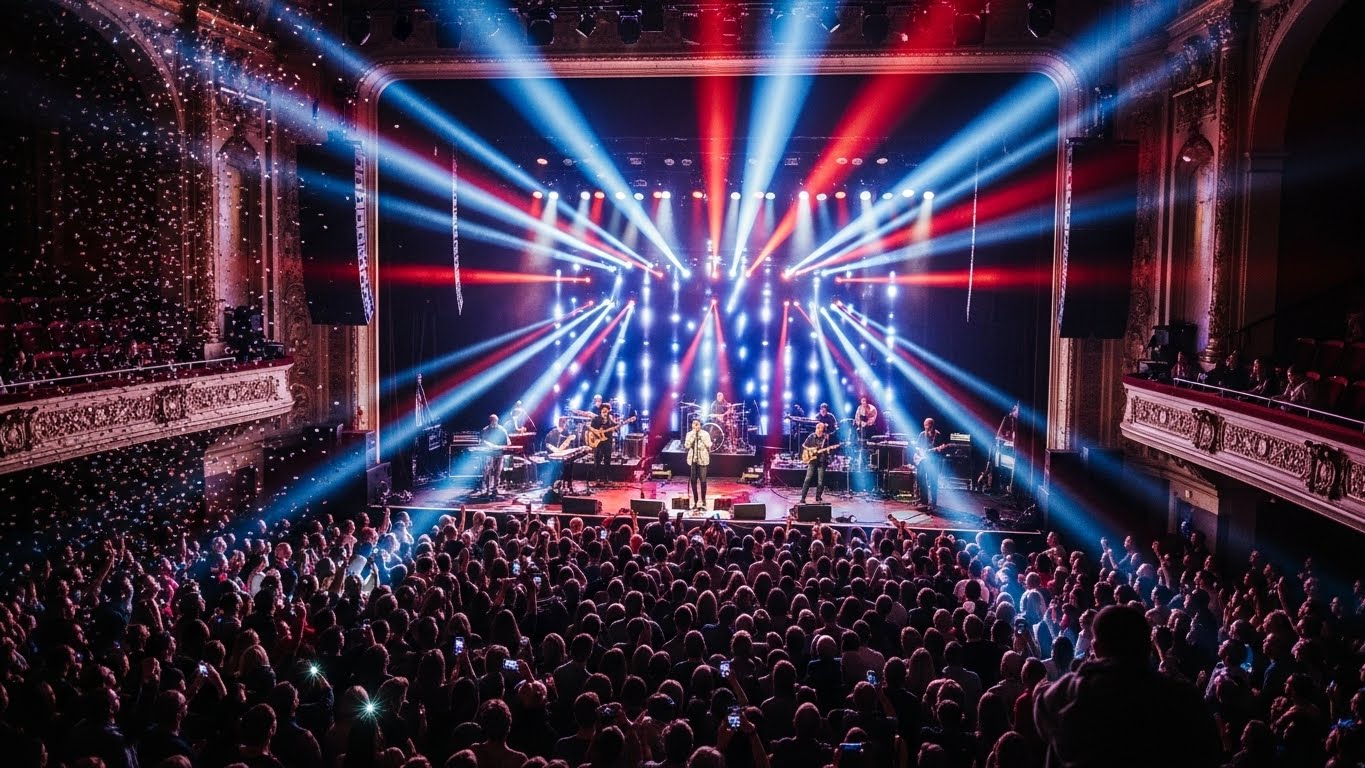
What makes music such an important part of entertainment is its universality. You don’t have to understand the language of a song to feel its emotion. Whether it’s the energy of a concert, the intimacy of acoustic performances, or the creativity of studio production, music creates a connection that few other forms of entertainment can match.
Moreover, the rise of social media and streaming platforms has allowed musicians from all backgrounds to share their art without the need for big record labels. Independent artists can now reach global audiences, proving that true talent finds its way regardless of boundaries.
The Rise of Television and Streaming
Television changed the way the world consumed entertainment. When the first TVs appeared in homes, they became a central piece of family life. People gathered around the screen to watch news, shows, and live events. It became a symbol of connection, bringing global events into living rooms.
The golden era of television introduced sitcoms, dramas, and talk shows that became cultural landmarks. Families laughed together, cried together, and bonded over stories that felt relatable. Television stars became household names, and networks competed to produce the best content.
Then came streaming services, and everything changed again. With the rise of digital technology, viewers no longer had to wait for specific times or channels. Streaming platforms made entertainment accessible on demand. Now, audiences could binge-watch entire seasons in one sitting, explore foreign films, and choose what to watch anytime, anywhere.
This transformation marked a new age of personalized entertainment. It also led to an explosion of creativity, as producers and directors were no longer limited by traditional formats. Shows became more diverse, storytelling became more complex, and viewers gained the power to shape trends with their preferences.
Gaming: The Interactive Revolution
Among all forms of entertainment, gaming has perhaps evolved the most dramatically in recent decades. Once seen as simple pastimes, video games are now multi-billion-dollar industries that blend art, storytelling, and technology.
From pixelated arcade games to massive open-world adventures, gaming has created entire universes for people to explore. Players no longer just watch stories—they participate in them. Games now feature cinematic storytelling, emotional character development, and lifelike graphics.
Moreover, gaming has become a social experience. Multiplayer games connect millions of people across the world, building communities and friendships beyond borders. Esports, or competitive gaming, has turned skilled players into global celebrities with millions of fans watching tournaments live.
The future of gaming looks even more promising with virtual reality (VR) and augmented reality (AR) offering immersive experiences. The line between the real and the virtual is blurring, allowing entertainment to reach new levels of engagement.
The Impact of Social Media on Entertainment
Social media has transformed entertainment into something interactive and immediate. Platforms like Instagram, TikTok, and YouTube have turned everyday people into entertainers. Content creation is no longer limited to big studios or professionals—anyone with a phone and an idea can capture an audience.
Viral videos, dance trends, comedy sketches, and short storytelling have become powerful tools of expression. The rise of influencers has also changed how entertainment and marketing blend. Today, entertainment is not just consumed; it is created, shared, and reshaped by the audience itself.
Social media has also blurred the line between celebrities and fans. Interaction is direct—through comments, live sessions, or collaborations. This accessibility makes entertainment feel more personal, more dynamic, and constantly evolving.
The Role of Technology in Entertainment’s Evolution
Technology has always been the driving force behind entertainment’s evolution. Each innovation has opened new doors—from radio and television to the internet and artificial intelligence. Today, we live in an age where entertainment is deeply intertwined with technology.
High-definition cameras, digital editing, and advanced sound design have elevated film and music production. Artificial intelligence is now being used to write scripts, compose songs, and even create visual art. Virtual concerts and digital influencers are redefining what it means to be an entertainer.
Furthermore, the rise of immersive technology has transformed audience experiences. Theme parks, concerts, and museums now use virtual and augmented reality to make participation more engaging. Entertainment has become not just something we watch but something we live.
Cultural Influence of Entertainment
Entertainment doesn’t just reflect culture—it shapes it. The stories we tell, the songs we sing, and the shows we watch influence how societies think and feel. Movies have changed perceptions about love, justice, and heroism. Music has been a voice for social change, from protest songs to anthems of unity.
Through entertainment, cultural exchange has become easier than ever. People can explore traditions, lifestyles, and art forms from around the world. This global accessibility helps foster understanding and appreciation among different communities.
However, with great influence comes responsibility. Entertainment creators hold the power to shape opinions and inspire generations. Ethical storytelling and inclusivity have become vital in a world where representation matters more than ever.
The Business of Entertainment
Behind every movie, song, or show lies an industry built on creativity and commerce. Entertainment is one of the largest sectors in the global economy, generating billions in revenue every year. From film studios to record labels, from gaming companies to streaming platforms, every part of the industry plays a role in shaping trends.
Marketing, advertising, and celebrity culture have turned entertainment into more than art—it’s a global enterprise. The demand for new content never stops, driving innovation and competition. Independent creators now have more opportunities to monetize their work, while established industries continue to explore new models of distribution.
The digital age has democratized access to entertainment, but it has also brought challenges such as piracy, misinformation, and content overload. Balancing creativity with business ethics remains one of the biggest challenges for the entertainment industry today.
The Future of Entertainment
Looking ahead, the future of entertainment is bound to be even more immersive, inclusive, and personalized. Artificial intelligence will make it possible to generate custom experiences tailored to individual preferences. Virtual reality will allow audiences to step inside stories rather than just watch them.
We are moving toward an era where entertainment is not limited by screens but integrated into everyday life. Smart devices, wearable technology, and holographic displays will bring stories to life in ways we can only imagine today.
But amidst all this technological advancement, one thing will never change—the human desire for connection. Whether through a film that moves us to tears, a song that speaks to our soul, or a story that inspires hope, entertainment will always remind us of what it means to be human.
Conclusion: The Endless Symphony of Joy
Entertainment is more than just a pastime. It is a reflection of who we are—our dreams, emotions, and imagination. It gives meaning to moments, brings people together, and creates a shared experience that transcends boundaries.
From ancient storytellers to futuristic digital creators, the spirit of entertainment has always been the same: to touch hearts and ignite imaginations. It is the universal language of joy that continues to evolve with time but never loses its essence.
As long as there are stories to tell, songs to sing, and emotions to share, entertainment will remain an eternal part of human life—a celebration of creativity and a reminder that even in the most complex world, there will always be room for laughter, wonder, and awe.