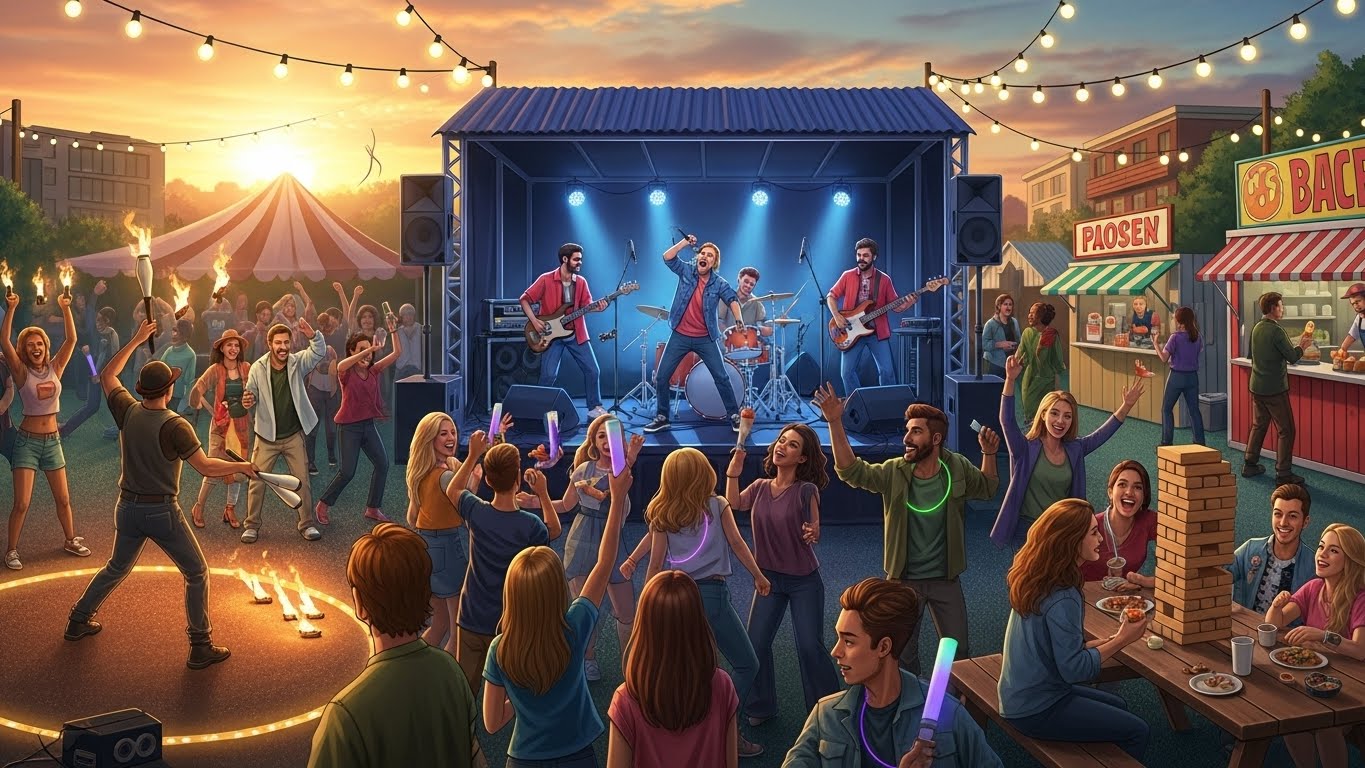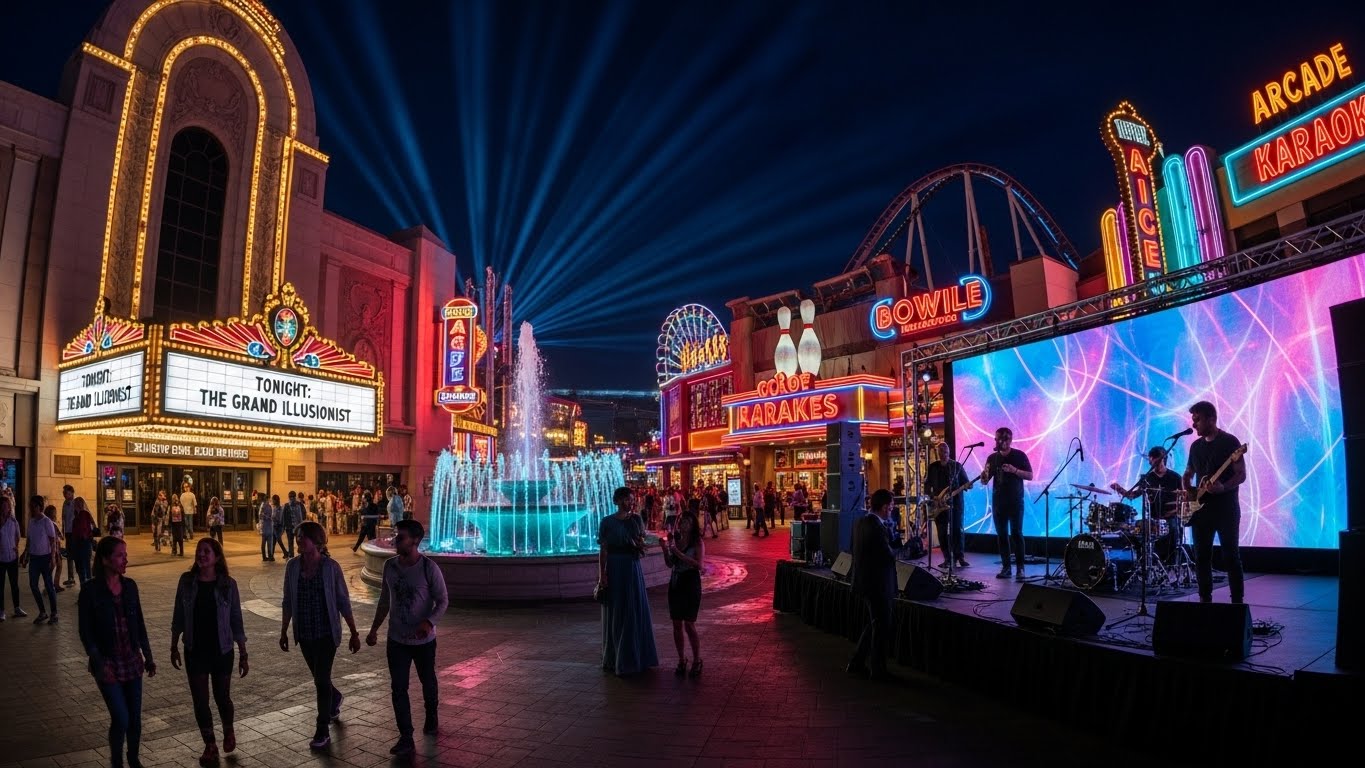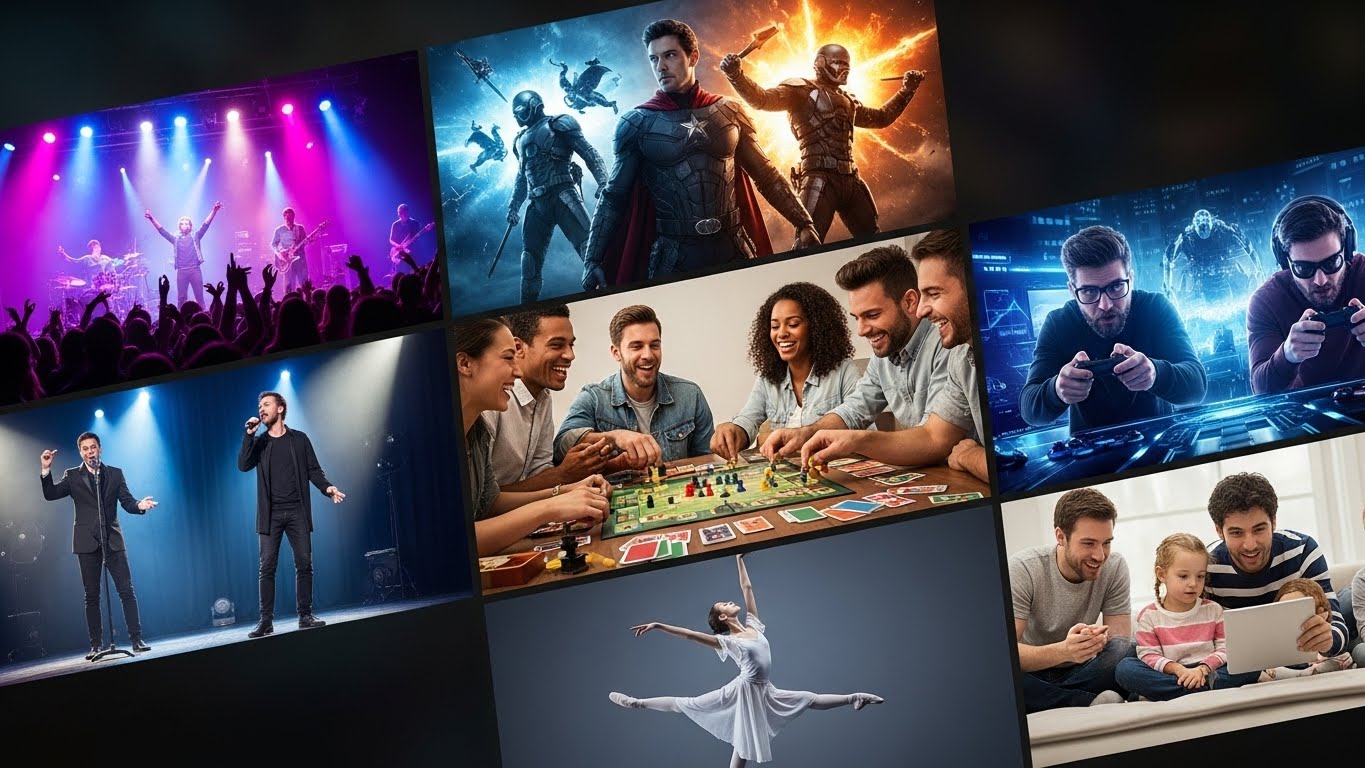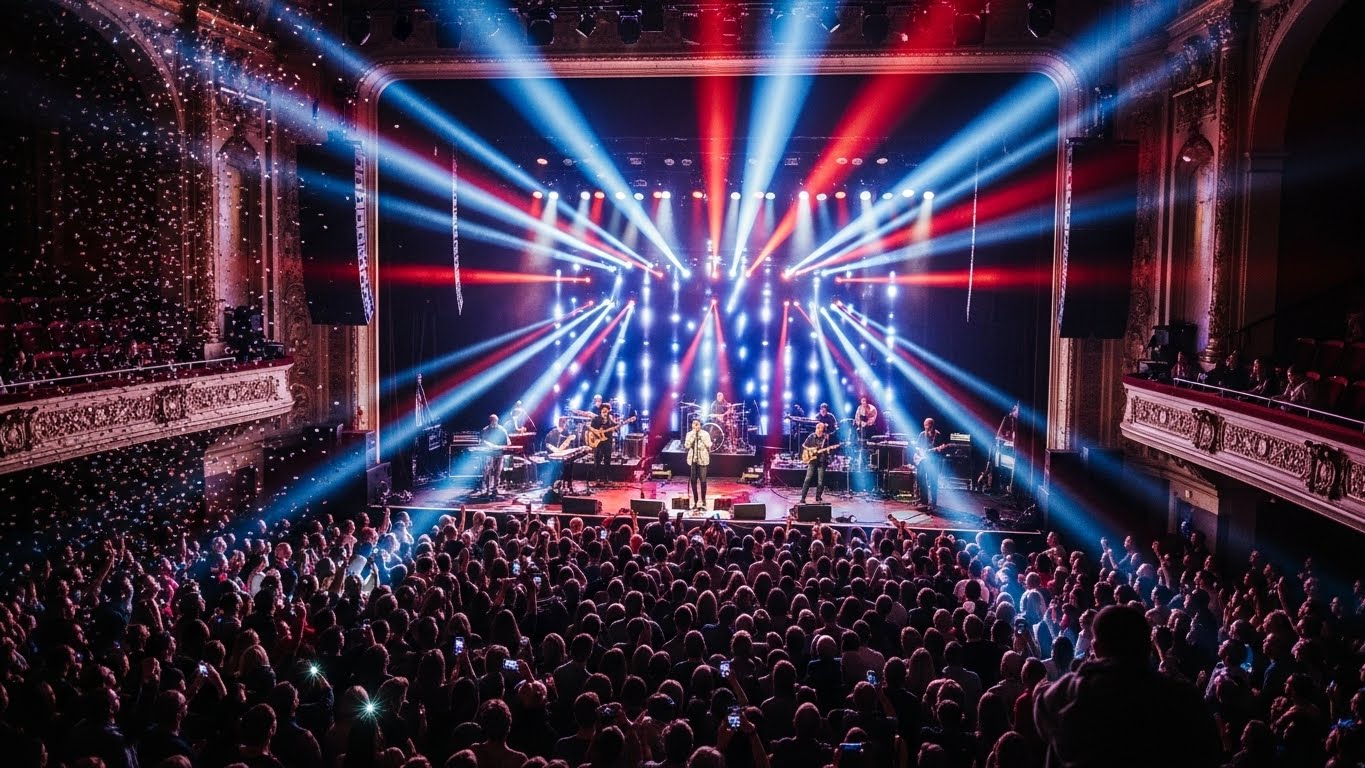
Entertainment has always been an integral part of human life, evolving alongside society and technology. From the earliest forms of storytelling around campfires to today’s immersive virtual reality experiences, the ways we seek pleasure and amusement have dramatically transformed. The entertainment industry, in all its facets, has been a mirror reflecting the social, cultural, and technological changes of the times. This blog post delves into the fascinating history and future of entertainment, exploring how it has evolved and where it’s headed in the digital age.
The Beginnings: Oral Traditions and Physical Performances
Long before the advent of modern technology, entertainment was rooted in physical and communal experiences. In ancient cultures, storytelling was a communal event, often conducted orally around a fire or in town squares. This form of entertainment, rich in folklore, myths, and legends, was passed down through generations, not written down but performed live. These stories were not just a form of amusement, but also a means of preserving history and imparting moral lessons.
In parallel, theatrical performances started to emerge as a major form of entertainment. In ancient Greece, for example, theater became a way to explore human nature and societal issues. The playwrights like Sophocles, Euripides, and Aristophanes laid the foundation for drama, creating stories that resonated deeply with audiences. Theaters like the ancient Greek amphitheaters became vibrant hubs where people gathered to experience catharsis and intellectual stimulation.
As civilization progressed, public entertainment expanded to include gladiatorial combat in Rome, chariot races in ancient Egypt, and other forms of live performance. These events were not just leisure activities but were often used as a means of political control, social cohesion, and even religious observance.
The Age of Print: Literature and the Rise of Mass Media
The arrival of the printing press in the 15th century marked a major turning point in the evolution of entertainment. With the ability to mass-produce books, entertainment shifted from oral traditions to written media. Literature flourished as books became more accessible, with works from Shakespeare, Cervantes, and later authors captivating audiences across Europe and beyond. The rise of the novel in the 17th and 18th centuries opened new doors for storytelling, moving beyond plays and poetry to explore personal experiences, adventure, and romance.
By the 19th century, the invention of photography, followed by the birth of cinema at the turn of the 20th century, introduced a new era of entertainment. Movies quickly became a dominant form of leisure, and Hollywood emerged as the entertainment capital of the world. The film industry began to shape cultural narratives and was propelled by a desire to captivate audiences with visually stunning, emotionally charged stories.
Simultaneously, radio and television emerged as mass media, reaching broader audiences and introducing new ways for people to consume entertainment. Radio, first popularized in the 1920s, provided news, music, and drama to millions of listeners. Later, television in the mid-20th century brought entertainment into people’s homes, revolutionizing the way stories were told. Iconic TV shows, sitcoms, and soap operas began to form the basis of family entertainment, making it more accessible than ever before.
The Digital Revolution: Entering the Age of Computers and the Internet
The late 20th and early 21st centuries witnessed an unprecedented shift in entertainment, driven largely by advancements in digital technology. The rise of personal computers, the internet, and mobile devices changed how people interacted with entertainment, allowing individuals to access content whenever and wherever they wanted.
Video games, once a niche hobby, exploded in popularity during the 1990s and 2000s. Game consoles such as the Sony PlayStation, Xbox, and Nintendo transformed entertainment into an interactive experience. Gamers could now immerse themselves in virtual worlds, battling enemies or solving puzzles in ways that felt far more personal than watching a movie or TV show. The development of online multiplayer games, like World of Warcraft and Fortnite, further solidified gaming as one of the leading forms of entertainment.
The internet, meanwhile, opened up a whole new realm of content. With platforms like YouTube, Vimeo, and later TikTok, anyone could become a content creator, leading to a democratization of entertainment. This shift allowed for a greater diversity of voices, as people from all over the world could share their stories, talents, and ideas, creating a global community of entertainment seekers.
Additionally, streaming services like Netflix, Hulu, and Spotify redefined how people consumed movies, TV shows, and music. Binge-watching became a cultural phenomenon, and streaming platforms began producing original content that rivaled traditional studios. This has led to an era where entertainment is available at the touch of a button, 24/7, on a range of devices, from smart TVs to smartphones.
Social Media and Influencer Culture: The New Wave of Entertainment
In the past decade, social media has emerged as a new form of entertainment, enabling individuals to engage directly with their favorite celebrities, creators, and influencers. Platforms such as Instagram, TikTok, and Twitter have become not just social networks but entertainment ecosystems in their own right. Users are no longer just passive consumers of content but active participants, creating and sharing videos, memes, and trends that go viral.
Influencers, who can have millions of followers across platforms, have transformed the traditional celebrity model. Many influencers have turned their social media presence into lucrative careers, promoting products, brands, and even creating their own content, such as podcasts and YouTube series. This shift has also made entertainment more personalized, as people gravitate toward content that aligns with their specific tastes, interests, and values.
While social media platforms have brought new entertainment opportunities, they have also created challenges. The pressure to constantly produce content, maintain a public persona, and cater to audience expectations can be intense. Moreover, the rise of algorithm-driven content has led to concerns about filter bubbles and the spread of misinformation. Despite these challenges, social media has undeniably become an entertainment powerhouse, constantly evolving to meet the desires of a global audience.
The Future of Entertainment: Virtual Reality, AI, and Beyond
As we look to the future, the next frontier of entertainment is being shaped by cutting-edge technologies like virtual reality (VR), augmented reality (AR), artificial intelligence (AI), and blockchain.
Virtual Reality (VR) and Augmented Reality (AR) offer immersive experiences that blur the line between the digital and physical worlds. VR has already found applications in gaming, where players can fully immerse themselves in virtual environments. AR, on the other hand, overlays digital content onto the real world, as seen with games like Pokémon Go. Both technologies have the potential to revolutionize entertainment, creating interactive, 360-degree experiences that engage all the senses.
Artificial Intelligence is also starting to make waves in entertainment, with AI being used to create personalized recommendations for viewers, compose music, and even write scripts. AI-generated content, such as deepfake technology, could further disrupt how we think about authorship and authenticity in entertainment. While these technologies offer exciting new possibilities, they also raise important ethical questions around privacy, creativity, and the potential for exploitation.
Blockchain technology, which underpins cryptocurrencies like Bitcoin, is also beginning to reshape the entertainment industry. It promises to revolutionize areas like copyright protection, royalty distribution, and even the way fans engage with artists through tokenized ownership of digital content.
Conclusion: Entertainment in the Age of Innovation
The evolution of entertainment reflects the changing ways in which humans connect with each other, engage with their surroundings, and find meaning in their lives. From the communal rituals of ancient times to the personalized, on-demand content of the modern digital era, entertainment has always been a reflection of the times. As technology continues to advance, so too will the possibilities for how we experience pleasure and amusement. Virtual reality, artificial intelligence, and other emerging technologies promise to offer new forms of entertainment that will continue to challenge our perceptions and experiences of reality.
While the future of entertainment holds exciting possibilities, it also calls for thoughtful consideration of the ethical, social, and cultural implications of these new technologies. The key will be in finding a balance between innovation and authenticity, ensuring that entertainment remains a source of joy, connection, and meaningful cultural exchange.