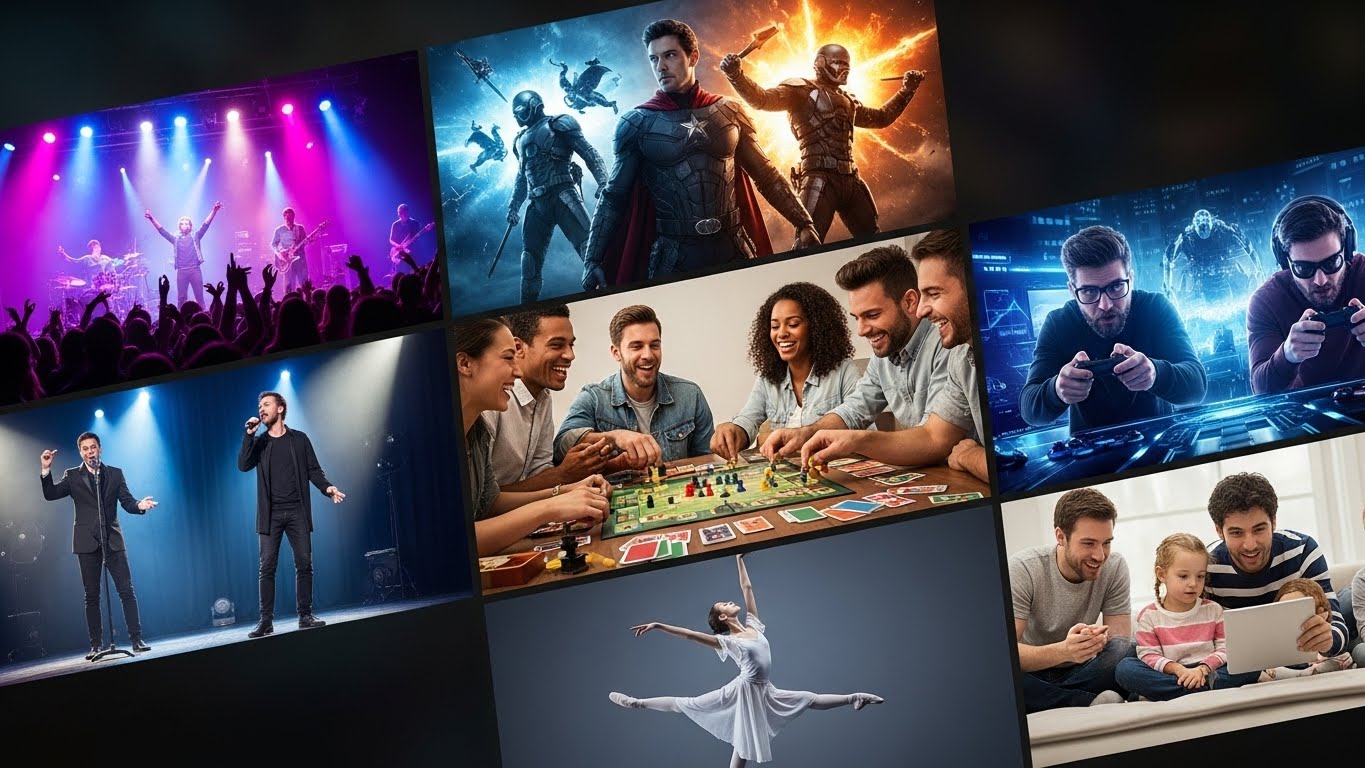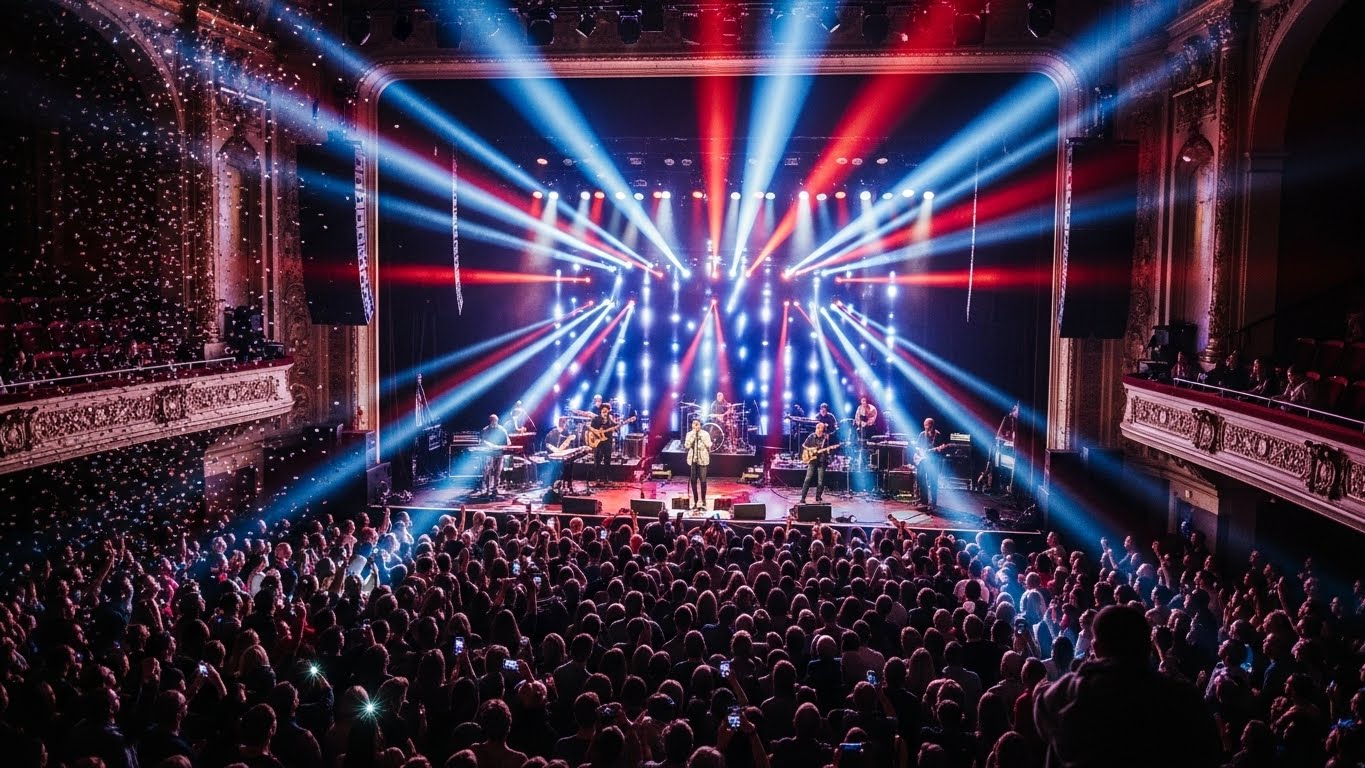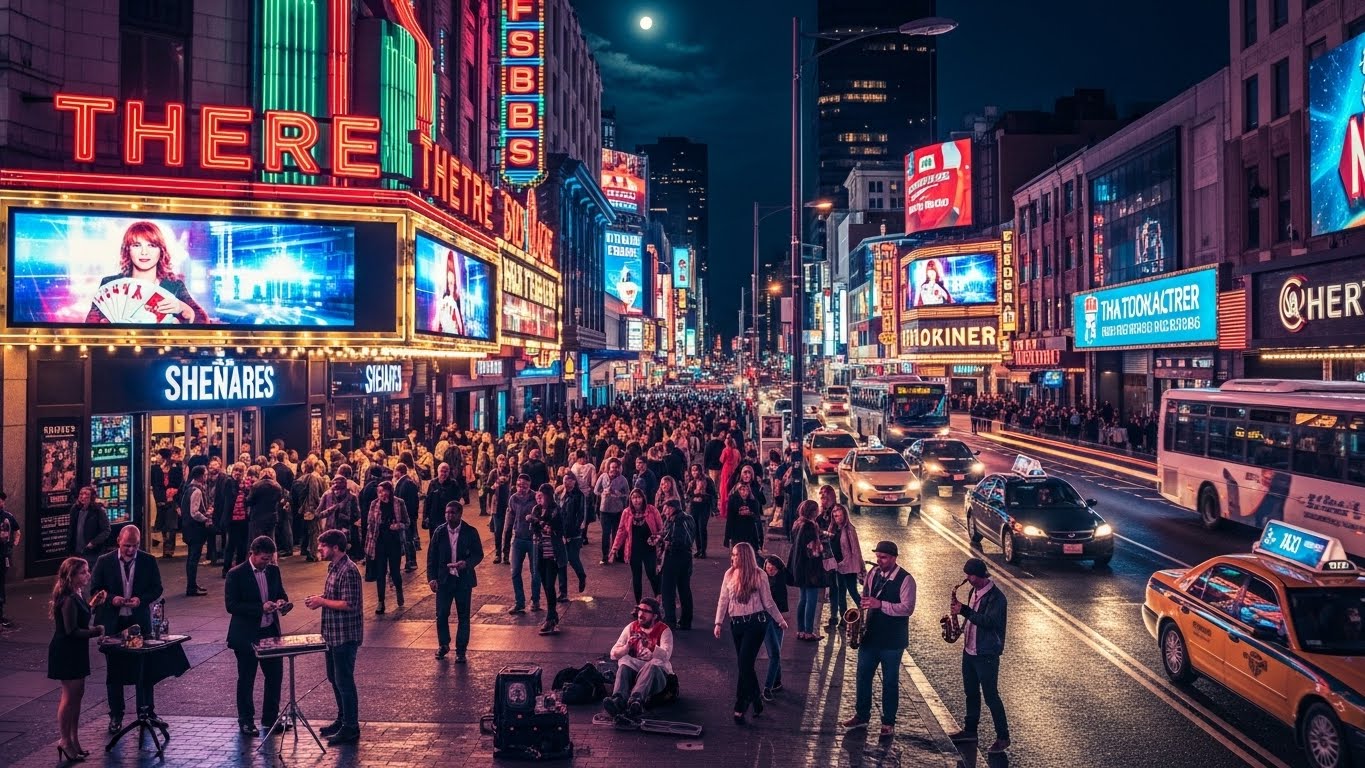
Entertainment has been an essential part of human culture for centuries, providing not just a means of relaxation but also a way to connect, learn, and explore new ideas. Over the decades, we have witnessed an extraordinary shift in the way entertainment is created, consumed, and shared. From the early days of storytelling around campfires to the rise of digital platforms, the journey of entertainment is both fascinating and transformative. This blog post will take you through the evolution of entertainment, focusing on the major milestones that have shaped the modern entertainment landscape.
The Origins of Entertainment: The Power of Storytelling
Long before the invention of television, cinema, or digital media, human beings found entertainment in storytelling. Early civilizations, such as those of ancient Greece and Rome, would gather in amphitheaters for plays, while Indigenous cultures across the world passed down oral traditions through stories and songs. This was a time when entertainment was not just about leisure but also about the transmission of culture, values, and history.
The power of a good story is timeless, and even today, the art of storytelling remains at the heart of most forms of entertainment. Whether it’s a novel, a film, or a song, stories continue to engage us, provoke our thoughts, and stir our emotions.
The Rise of Mass Media: Radio and Television
The 20th century marked a significant shift in how entertainment was consumed. With the advent of radio in the 1920s, entertainment reached new heights. Radio allowed people to experience live performances, news, and music from the comfort of their own homes. The radio era not only brought music into people’s lives but also introduced the idea of mass communication, where one broadcast could reach millions of people.
The next major milestone came with the invention of television. In the 1940s and 1950s, TV revolutionized entertainment, bringing motion pictures, live sports, news, and sitcoms directly into people’s living rooms. For the first time, people could experience visual entertainment without having to leave their homes. The 1960s saw the rise of iconic TV shows, and by the 1980s, cable television expanded the variety of programming, offering specialized channels catering to specific interests, from news and sports to lifestyle and entertainment.
Television became the dominant form of entertainment for decades, and it was a primary means of connecting with the world. Families gathered around their TV sets in the evening to watch the latest episode of their favorite series or catch the nightly news. For many, this was a form of escapism—an opportunity to enter different worlds and experience different lives.
The Digital Revolution: From VHS to DVD and Streaming
The 1990s and early 2000s brought about significant changes in how people watched TV shows and movies. The VHS tape and later the DVD offered viewers a chance to watch content at their own convenience, rather than adhering to a strict broadcast schedule. The concept of renting movies from a local video store became a cultural phenomenon, with companies like Blockbuster becoming household names.
However, the true game-changer came with the rise of the internet and digital streaming platforms. In the mid-2000s, services like Netflix, Hulu, and Amazon Prime Video disrupted the entertainment industry by offering on-demand streaming, where viewers could watch movies and TV shows anytime, anywhere. This shift marked the end of traditional broadcast television’s monopoly over entertainment consumption.
Streaming services revolutionized the way people interacted with content. The convenience of binge-watching an entire season of a show in one sitting, or accessing a massive library of movies from any device, changed entertainment from an appointment-based activity to a personal, on-demand experience.
Social Media and User-Generated Content: The Age of Interactive Entertainment
As the internet continued to evolve, so did the way we consumed entertainment. The rise of social media platforms like Facebook, Instagram, Twitter, and later TikTok, changed entertainment once again. These platforms allowed users not only to consume content but also to create it. No longer were people merely passive viewers of entertainment; they were now active participants in its creation.
Platforms like YouTube became a place where anyone with a camera and an idea could produce content and reach millions of viewers. Influencers, vloggers, and content creators have become modern-day celebrities, reshaping the entertainment landscape. This shift also democratized the entertainment industry, breaking down traditional barriers for entry and allowing a more diverse range of voices and perspectives to be heard.
Social media has also blurred the lines between entertainment and social interaction. TikTok, for example, allows users to create short-form video content that is often comedic or musical in nature, and people engage with these videos by liking, sharing, or even remixing them. Social media platforms have become not just a place for entertainment, but also a space for self-expression, community-building, and viral trends.
Video Games: From Arcade Machines to Virtual Reality
Another form of entertainment that has seen exponential growth is video gaming. Once seen as a niche hobby, video games have now evolved into a multi-billion-dollar industry that rivals the film and music industries in terms of revenue. The origins of video games can be traced back to the arcade machines of the 1970s and 1980s, with games like Pong and Space Invaders becoming cultural phenomena.
By the 1990s, home consoles like the Super Nintendo and Sony PlayStation brought video games into people’s homes. The graphics, storytelling, and gameplay experiences improved significantly, leading to the creation of immersive virtual worlds in franchises like Final Fantasy and The Legend of Zelda. The rise of online gaming in the 2000s further enhanced the gaming experience, allowing people from across the globe to compete or collaborate in virtual spaces.
Now, with the advent of virtual reality (VR) and augmented reality (AR), video games have reached new heights. These technologies allow players to fully immerse themselves in digital worlds, providing an entertainment experience that is more interactive and lifelike than ever before. VR gaming is still in its early stages, but it promises to revolutionize not just video games, but also areas like education, training, and social interaction.
The Future of Entertainment: AI, Immersive Experiences, and Beyond
As we look to the future, it’s clear that entertainment will continue to evolve. Advances in artificial intelligence (AI), machine learning, and virtual reality (VR) are already changing the way content is created and consumed. AI is being used to develop new ways of personalizing content recommendations, while VR and augmented reality are paving the way for new types of immersive entertainment experiences.
For instance, AI-driven tools are being used to create more realistic video game characters and storylines. In the film industry, AI is helping filmmakers with everything from scriptwriting to visual effects. VR and AR technologies have the potential to create fully immersive movie experiences where audiences can interact with the story in real-time.
Moreover, the rise of the “metaverse” could open up entirely new dimensions for entertainment. The metaverse is a virtual universe where people can interact, socialize, play games, and even attend live concerts, all within a 3D digital space. As companies like Facebook (now Meta) and others invest heavily in the metaverse, it could very well be the next frontier in entertainment.
Conclusion: A Constantly Evolving Landscape
Entertainment is no longer confined to the traditional forms of radio, TV, and film. The digital revolution has opened up new possibilities, allowing us to experience entertainment in ways we never thought possible. From streaming platforms to social media, video games to virtual reality, the entertainment landscape is constantly evolving, shaped by technological advancements, cultural shifts, and consumer preferences.
As we continue to embrace these changes, one thing remains constant: the desire for connection, creativity, and escapism. Whether we’re watching a blockbuster film, playing a game, or scrolling through social media, entertainment serves as a way for us to experience something new, engage with others, and explore the world from different perspectives. The future of entertainment is bright, and with each passing year, we move closer to a world where entertainment is not just something we consume, but something we can create, share, and experience in entirely new ways.